Lucknow: In a stern message against bureaucratic indifference and non-compliance with judicial directives, the Lucknow Bench of the Allahabad High Court has imposed a penalty of ₹5,000 each on two senior IAS officers for failing to comply with court orders within the stipulated time.
The Court directed that the compensation be paid from the officers’ personal funds rather than from the government exchequer, observing that their failure had compelled the petitioners to initiate contempt proceedings and suffer unnecessary hardship.
The orders were passed by Justice Saurabh Lavania while hearing two separate contempt petitions arising from non-compliance of earlier court directions.
Court Takes Strong View of Administrative Delay
Adopting a strict stance, the High Court noted that public officials entrusted with implementing judicial orders cannot ignore court directions and force citizens to undertake prolonged legal battles for relief.
Read Also: No Work, No Pay: Chhattisgarh High Court Delivers Major Verdict on Back Wages After Acquittal
The Court observed that the petitioners had already secured favourable orders from the Writ Court, yet the concerned authorities failed to act within the prescribed timeframe, necessitating contempt proceedings.
To ensure accountability, the Court ordered personal penalties against the officers concerned.
Principal Secretary Directed to Pay Compensation
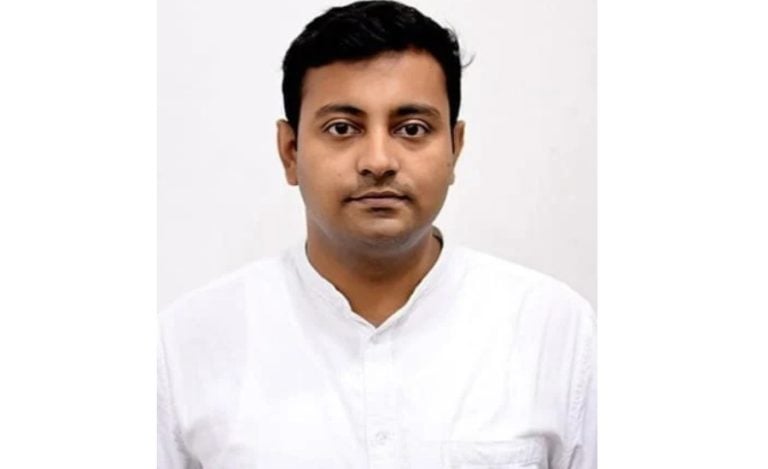
In the first case, the Court directed Saurabh Babu, Principal Secretary of the Rural Development Department, Uttar Pradesh, to comply with the earlier court order and pay ₹5,000 as compensation to petitioner Ashish Kumar Dubey within two weeks.
The Court further stated that if the officer complies with the order and deposits the compensation within the stipulated period, his personal appearance before the Court would not be required.
The penalty was imposed after the Court found that the directions issued earlier had not been implemented despite sufficient time being available.
Rural Development Commissioner Also Penalised
In the second matter, the Court imposed a similar penalty on Gaurishankar Priyadarshi, Rural Development Commissioner, Uttar Pradesh.
Justice Lavania directed the officer to pay ₹5,000 as compensation to petitioners Brijendra Kumar Srivastava and two others within two weeks.
The Court clarified that compliance with the order and payment of compensation would exempt the officer from appearing personally before the Court.
Case Related to Leave Encashment Dues
The second case arose from the non-compliance of a court order dated March 11, 2026, concerning payment of full leave encashment dues to the petitioners by the District Rural Development Agency (DRDA), Lucknow.
Despite clear judicial directions, the dues were not released within the prescribed timeframe, prompting the affected individuals to move contempt petitions before the High Court.
The Court noted that the delay in implementation had caused unnecessary inconvenience and hardship to the petitioners.
Personal Accountability Emphasised
A notable aspect of the order is the Court’s insistence that the compensation amount be paid from the officers’ personal pockets rather than from public funds.
Such directions are often issued by courts to ensure individual accountability among public servants and discourage casual disregard of judicial orders.
The Court made it clear that government officials cannot shield themselves behind administrative procedures when implementing court directives and that failure to comply may attract personal consequences.
Message on Administrative Responsibility
The order underscores the judiciary’s increasing emphasis on timely implementation of court judgments and accountability of public officials.
Legal experts note that personal costs imposed on officers serve as a deterrent against bureaucratic delays and reinforce the principle that court orders must be implemented promptly and effectively.
The latest ruling sends a strong signal that non-compliance with judicial directions may invite not only contempt proceedings but also personal financial liability for the officers responsible.