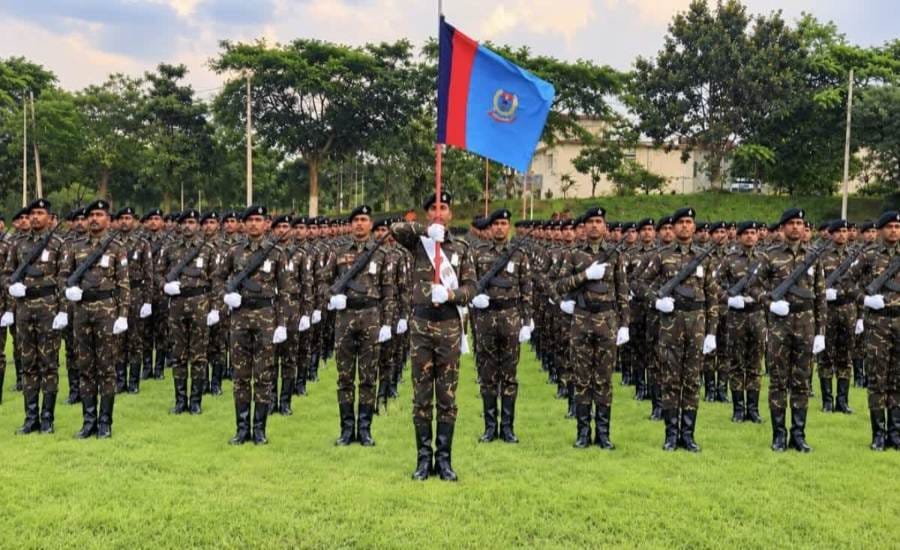
Ranchi: After playing a key role in Jharkhand’s long-running fight against Left-Wing Extremism, the Jharkhand Jaguar Special Task Force (STF) is set for a possible restructuring as the state police reassesses its role in the changing security environment.
The proposal is being prepared at the police headquarters level following significant gains in anti-Naxal operations. A high-level review meeting scheduled for October 8 will examine how the specialised force should be structured and deployed in the coming years.
The review comes at a time when the security situation in areas once affected by intense Naxal activity has changed considerably. The focus is now shifting from a primarily anti-Naxal role to preparing specialised police units for emerging security requirements.
October 8 Meeting to Review Jharkhand Jaguar
A high-level meeting will be held at the Jharkhand Police Headquarters on October 8 to discuss the restructuring of Jharkhand Jaguar.
The meeting will be conducted through video conferencing under the chairmanship of the Inspector General of Police, Operations. Officials concerned with the restructuring have been asked to come prepared with the necessary details and proposals.
The meeting is expected to provide a platform to assess whether the existing structure and operational model of Jharkhand Jaguar remain suitable for the state’s current security needs.
Read Also: Jharkhand Cabinet Back in Action: Key Proposals Await Decision on October 7
From Anti-Naxal Force to a Wider Security Role
Jharkhand Jaguar was primarily created to conduct specialised operations against Naxal groups. Over the years, its personnel operated in difficult forested and remote areas and took part in missions that required specialised training, equipment and operational capabilities.
The force also played a role in leading operations in Naxal-affected regions and responding to situations that required specialised intervention.
With Naxal activities significantly reduced in the state, however, the police administration is examining whether the force should continue with the same operational structure.
The review could lead to changes in several areas, including:
- Force structure and organisational responsibilities
- Deployment of personnel across the state
- Training requirements
- Equipment and other resources
- Future operational responsibilities
The objective is to ensure that a specialised force created for one major security challenge can remain useful as the nature of security threats changes.
IRB Restructuring Also on the Agenda
The proposed review will not be limited to Jharkhand Jaguar. The Indian Reserve Battalion (IRB) will also be examined during the October 8 meeting.
Police officials will consider how different specialised and reserve forces should be assigned responsibilities under the present security environment. The deployment of personnel and the most effective use of available manpower are also expected to come under discussion.
The exercise could help the state police avoid overlapping responsibilities and make better use of trained personnel and existing resources.
Database of Weapons Linked to Naxal Operations
The meeting will also look at some pending issues connected with earlier anti-Naxal operations.
One important agenda item is the creation of a database of weapons associated with Naxal operations. This includes weapons that were looted from the police by Naxal groups as well as weapons recovered from Naxals by security forces.
Officials will review the progress made so far in compiling this database.
Maintaining an organised record of such weapons can help police track their history and improve documentation related to past security operations.
Review of Rehabilitation and Speedy Trials
The police headquarters meeting will also examine pending cases involving surrendered Naxals.
Under the state’s rehabilitation policy, surrendered members of Naxal groups are entitled to various benefits. The meeting will review cases where such benefits remain pending and assess the status of implementation.
Another key issue will be the speedy trial of cases against arrested Naxal operatives, particularly those described as notorious or high-profile accused.
Reviewing these cases is important because delays in legal proceedings can prolong the closure of cases arising from long-running security operations.
Why the Restructuring Matters
The proposed restructuring reflects a broader transition in Jharkhand’s security strategy. For years, specialised police resources were heavily focused on countering Naxal violence in forested and remote areas. As the intensity of that challenge has declined, the state now has an opportunity to rethink how these trained personnel and specialised resources can be used.
A restructured Jharkhand Jaguar could potentially retain its specialised operational capabilities while taking on responsibilities suited to emerging security challenges.
The exercise also brings questions of manpower, training and resource allocation into focus. Instead of maintaining structures solely around past threats, the police administration is looking at how its specialised forces can remain operationally relevant in the future.
The October 8 review will therefore be significant not only for Jharkhand Jaguar but also for the broader organisation of the state police’s specialised forces. The decisions taken after the review could shape the deployment and responsibilities of these units in the next phase of Jharkhand’s security strategy.
Read Also: Jharkhand Cabinet Clears 100 CM Excellence Schools, Free Sanitary Napkins and Police CCTV Expansion