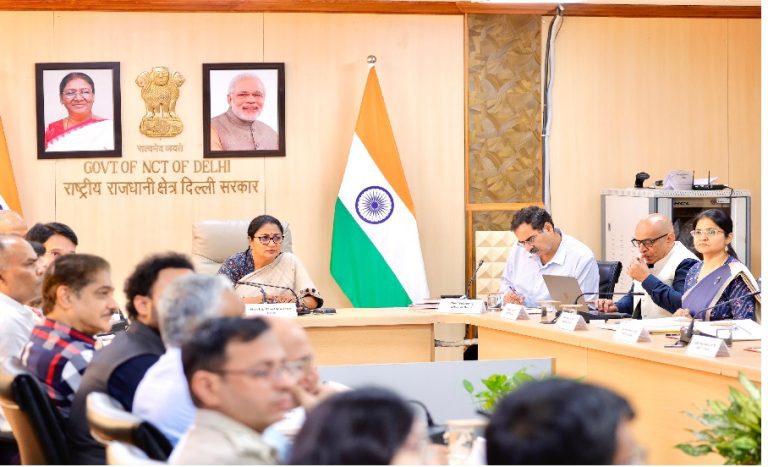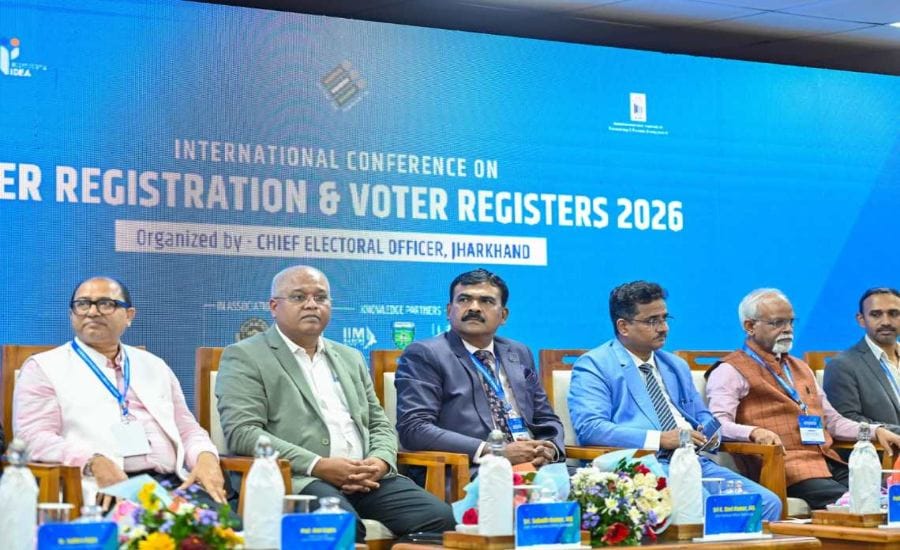
Ranchi: A two-day international conference on “Voter Registration and Electoral Roll 2026” concluded at the National University of Study and Research in Law (NUSRL), Ranchi, with experts discussing technology, artificial intelligence, electoral integrity and inclusive democratic participation.
Organised by the Office of the Chief Electoral Officer (CEO), Jharkhand, in collaboration with Central University of Jharkhand (CUJ), the conference concluded on September 3, 2026. IIM Ranchi, NUSRL Ranchi and St Xavier’s College, Ranchi were the knowledge partners.
Accurate Electoral Rolls at the Heart of Democracy
Addressing the closing session, NUSRL Vice-Chancellor Prof. (Dr.) Ashok R. Patil said voter registration and accurate electoral rolls form the foundation of a strong democratic system.
He said the electoral roll is more than an administrative document. It serves as the gateway through which citizens formally participate in the electoral process.
Prof. Patil highlighted the need to balance electoral integrity with electoral inclusion. While election authorities must prevent ineligible entries, they must also ensure that eligible citizens do not lose their opportunity to participate because their names are missing from the voter list.
He said technology and digitisation can improve the accuracy and efficiency of electoral rolls, but their use must remain consistent with constitutional values, democratic principles and citizens’ rights.
Read Also: Jharkhand Plans New Satellite Townships as Ranchi Smart City Expansion Gets Push
Technology Must Empower Voters
Prof. Patil urged academics, election officials and researchers to turn the conference discussions into policy recommendations and practical research.
He said electoral innovation should remain citizen-centric, with technology empowering voters, laws protecting their rights and institutions making participation easier.
He also appreciated Jharkhand Chief Electoral Officer K. Ravi Kumar and the organising committee for successfully conducting the conference.
ECINET Promoted for Digital Electoral Services
The closing session began with a welcome address by retired Deputy Chief Electoral Officer-cum-State Training Nodal Officer Devdas Dutta.
Dutta welcomed delegates, researchers and officials from India and abroad and underlined the importance of the two-day discussions.
He also encouraged participants, researchers and students to install and use the Election Commission’s ECINET application. The app provides citizens access to digital electoral services and can help them engage more easily with the electoral process.
The closing programme ended with a vote of thanks by Dr B. K. Sinha of St Xavier’s College, Ranchi.
AI and Global Electoral Practices Discussed
A rapporteur report presented by CUJ’s Solika Rani and Ritupurna Palei summarised the technical and discussion sessions.
The conference examined several issues linked to voter registration and electoral rolls, including:
- Special Intensive Revision (SIR) and ground-level verification
- Registration of migrant workers
- Voter inclusion in tribal and border areas
- Gender equality and youth participation
- AI and machine learning for removing duplicate entries and updating electoral rolls
- Data privacy, cybersecurity and human oversight
Experts also studied electoral systems in Australia, Canada, Estonia, Sweden, Ghana and South Africa. The discussions noted that voter-registration systems differ according to the constitutional and social conditions of each country.
Experts and Election Officials Participate
The conference brought together senior election officials, academics, researchers, students and National Level Master Trainers.
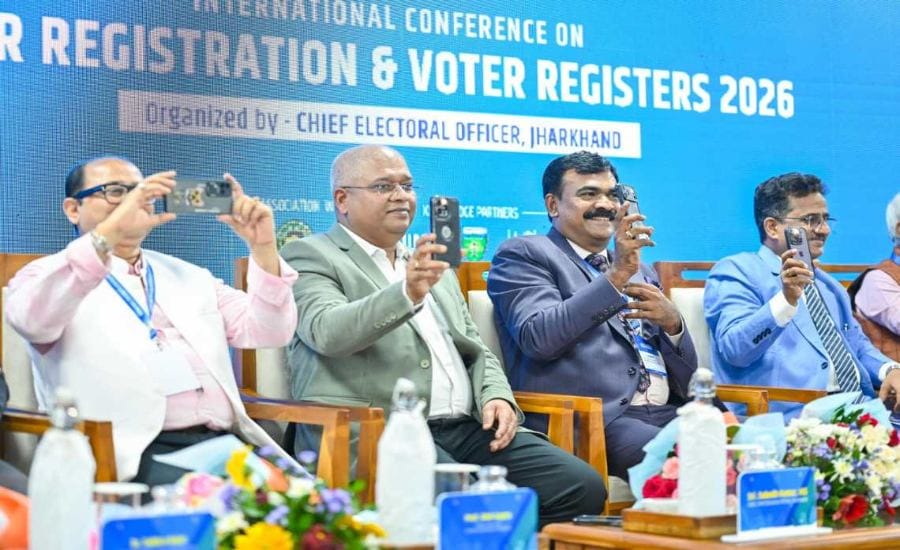
Chief Electoral Officer K. Ravi Kumar, Additional Chief Electoral Officer Subodh Kumar, State Training Nodal Officer Devdas Dutta, Deputy Election Officer Dr Dheeraj Kumar Thakur, Prof Alok Kumar Gupta, Dr Aparna, Dr Charvak Pati, Dr Shubhra Rajat, Dr Anandkumar R. Shinde, Dr B. K. Sinha, Dr Ashutosh Kumar Pandey and Sujay Kumar were among those present.
The discussions highlighted how accurate voter registration, responsible use of technology and stronger digital services can contribute to a more accessible and trustworthy electoral system.
Read Also: Jharkhand CM Sets Urban Development Roadmap, Orders Vendor Markets in Every Ward