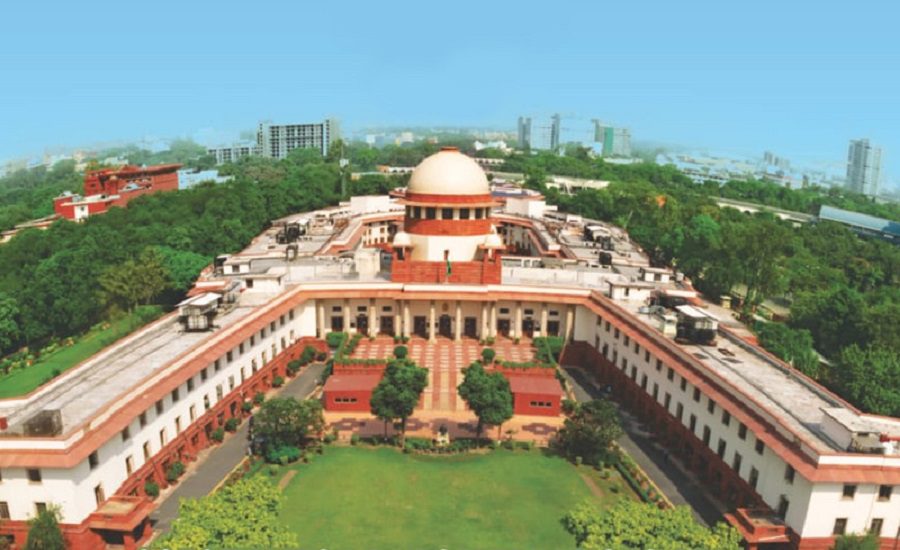
New Delhi: The CBSE three-language policy has received a major update after the Supreme Court directed the Central Board of Secondary Education (CBSE) to extend the existing relaxation to Class 6 students as well. The decision is expected to provide relief to thousands of students and parents across India.
The order came during the hearing of petitions challenging the implementation of the new three-language policy under CBSE. The court observed that students should not face difficulties because of a sudden policy change.
What Is The CBSE Three-Language Policy
The CBSE three-language policy is linked to the National Education Policy (NEP) 2020 and aims to promote multilingual learning among students.
Under the policy, students are required to study three languages, including Indian languages. The objective is to strengthen language skills and encourage students to learn more than one Indian language. However, many parents and students raised concerns about the sudden implementation of the rule, especially for students who had already started their education under a different language structure.
CBSE Three-Language Policy: What Did The Supreme Court Say
The Supreme Court directed CBSE to provide the same relaxation to Class 6 students that had already been granted to students in higher classes. According to the court, students should not be placed under unnecessary academic pressure because of a new language requirement. The judges emphasized a smoother transition and student-friendly implementation of the policy. The court also noted that educational reforms should be introduced carefully so that students do not suffer due to abrupt changes in curriculum requirements.
What Relief Will Class 6 Students Get
The relaxation means that the current batch of Class 6 students will not be forced to immediately comply with the full requirements of the new three-language policy.
Smoother Transition To New Rules
The Supreme Court wants CBSE and the government to ensure that students get adequate time to adapt to the new system. This will help schools, teachers, parents, and students prepare better.
Relief Similar To Higher Classes
The exemption aligns Class 6 students with the relaxation already available to students in higher grades under the policy.
Why Was The CBSE Three-Language Policy Challenged
Several petitioners argued that the sudden introduction of a new language requirement could create confusion and additional academic pressure.
Concerns were also raised about language availability, learning materials, and the practical challenges of changing language combinations after students had already begun their studies. The court took note of these concerns while considering the interests of students and educational institutions.
Read also: Big Blow For CBSE Students: Supreme Court Refuses To Reopen Re-Evaluation Portal
FAQs
The Supreme Court has directed CBSE to extend relaxation and exemptions to the current Class 6 batch so students are not burdened by an immediate transition to the new policy.
The CBSE Third-Language Rule requires students to study three languages as part of the curriculum, in line with broader education reforms and multilingual learning goals.
The court intervened after concerns were raised about the sudden implementation of the policy and its possible impact on students who had already started schooling under a different language framework.