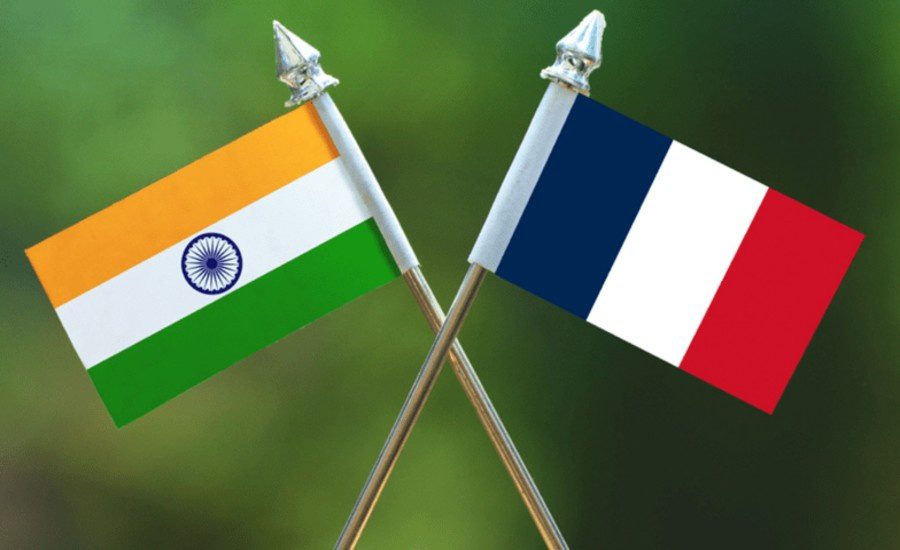
New Delhi: India and France have discussed the deployment of European Pressurised Reactor (EPR) technology in India. The talks focused on nuclear cooperation, local manufacturing, supply chain development, and pumped hydro storage projects. The discussions took place during a high-level meeting between Indian and French officials in New Delhi.
As India aims to expand clean energy production and strengthen energy security, the proposed collaboration could play an important role in the country’s long-term nuclear power plans.
High-Level Meeting Between India And EDF
Power Secretary Pankaj Agarwal met Bernard Fontana, Chairman and CEO of French energy giant EDF (Électricité de France), to review ongoing cooperation on EPR reactor deployment in India.
Read also: India-Australia Nuclear Cooperation Agreement: Everything You Need to Know
The meeting focused on several key areas:
- Deployment of EPR nuclear reactors
- Nuclear sector regulatory reforms
- Localisation of the nuclear supply chain
- Pumped hydro storage cooperation
- Future India-France energy partnership
What Is EPR Technology
The European Pressurised Reactor (EPR) is an advanced nuclear reactor design developed in Europe. It is designed to produce large amounts of electricity while incorporating multiple safety systems and modern engineering standards.
EPR reactors are among the most powerful commercial nuclear reactors in the world and are being considered for future nuclear projects in India.
India Focuses On Local Manufacturing
One of the major topics discussed was the creation of a strong domestic supply chain for nuclear projects. EDF informed Indian officials about its efforts to develop an ecosystem of local suppliers and manufacturers in India. The company believes that a large nuclear programme involving multiple reactors would encourage Indian industries to invest in nuclear manufacturing capabilities. According to EDF, large-scale localisation can help:
- Reduce project costs
- Strengthen domestic manufacturing
- Create skilled jobs
- Improve supply chain resilience
- Increase India’s participation in global nuclear projects
India France EPR Reactor Technology Deal: India’s Nuclear Regulatory Reforms
India is currently working on reforms to modernise its nuclear power sector. During the meeting, Indian officials briefed EDF about progress on the Draft SHANTI (Sustainable Harnessing And Advancement Of Nuclear Energy For Transforming India) Rules and Regulations.
The draft framework has been placed in the public domain for stakeholder consultation. The proposed framework aims to:
- Streamline licensing procedures
- Reduce approval timelines
- Improve project implementation
- Enable participation from private and foreign partners in nuclear projects
India France EPR Reactor Technology Deal: Cooperation On Pumped Hydro Storage Projects
Apart from nuclear energy, both countries also discussed cooperation in pumped hydro storage projects. The discussions build on the proposed collaboration between NTPC and EDF Power Solutions India. Pumped hydro storage can help store electricity and support the integration of renewable energy sources such as solar and wind power.
Why India France EPR Reactor Technology Deal Matters
India’s electricity demand continues to rise due to economic growth, industrialisation, and urbanisation. Nuclear power is considered a low-carbon source of electricity that can provide stable power generation around the clock. Expanding nuclear capacity could help India diversify its energy mix while supporting its long-term clean energy goals. The India-France partnership could also boost technology transfer, manufacturing opportunities, and investment in the country’s energy infrastructure.
Read also: India-France FCAS: Everything We Know About the Mach 2 Variable Cycle Engine Project
FAQs
India and France are exploring the deployment of EPR reactors, localisation of nuclear manufacturing, and cooperation on clean energy projects to strengthen long-term energy security.
The European Pressurised Reactor (EPR) is an advanced nuclear reactor technology developed in Europe. It is designed to generate large amounts of electricity with enhanced safety systems.
Nuclear supply chain localisation means increasing the use of Indian companies and manufacturers in building and supporting nuclear power projects, reducing dependence on imports.