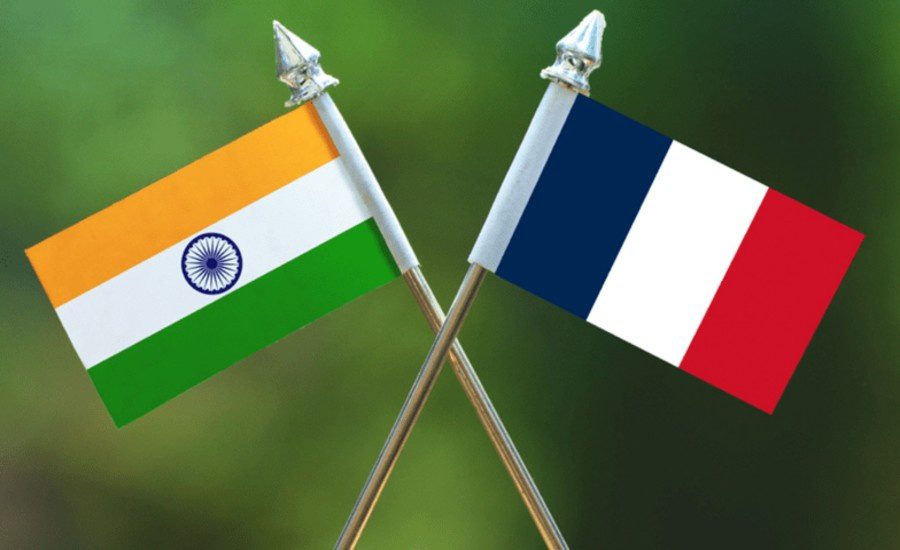
New Delhi: India-France FCAS discussions are moving towards one of the most advanced military technologies in the world—a Variable Cycle Engine (VCE) for a future sixth-generation fighter aircraft. The proposed collaboration aims to develop an engine capable of Mach 2 supercruise, allowing the aircraft to fly at very high speeds without using fuel-hungry afterburners. If successful, this project could become a major milestone in India’s defence aviation capabilities and strengthen strategic defence cooperation with France.
Details of India-France FCAS
India and France are exploring cooperation on a Future Combat Air System (FCAS) that could lead to the joint development of a sixth-generation fighter aircraft.
Read also: Inside the Bharat Innovates 2026 That will Transform India-France Tech Collaboration
The discussions are focused not only on the aircraft itself but also on advanced technologies such as next-generation engines, digital combat networks, artificial intelligence, and autonomous combat systems.
Variable Cycle Engine Becomes Key Priority
A Variable Cycle Engine (VCE) is expected to become one of the most important parts of the proposed FCAS partnership.
Unlike traditional fighter jet engines, a VCE can change how it works during flight. It can switch between fuel-efficient operation during long-distance missions and maximum thrust during combat. This gives pilots both better range and greater combat performance.
What Is Mach 2 Supercruise
Supercruise means an aircraft can fly faster than the speed of sound for long periods without using afterburners. The proposed engine aims to achieve Mach 2-class supercruise, which is around twice the speed of sound.
Flying without afterburners reduces fuel consumption, extends mission range, lowers heat signatures, and allows aircraft to stay in operational areas for longer periods.
Why This Technology Matters
A fighter equipped with a Variable Cycle Engine can quickly switch from long-range patrol to high-speed combat. This allows the aircraft to intercept enemy targets faster while maintaining better fuel efficiency. Such capabilities are considered essential for future sixth-generation fighter aircraft being developed by leading military powers.
India-France FCAS: India’s Strategic Advantage
For India, participating in the development of an advanced aircraft engine would reduce dependence on foreign propulsion technologies. The collaboration could also support India’s long-term goals of building indigenous advanced combat aircraft while strengthening defence cooperation with France. Recent India-France defence discussions have emphasized co-design, co-development, and co-production of advanced military technologies.
India-France FCAS: Official Status
As of now, neither the Indian government nor the French government has officially announced a final agreement for a joint sixth-generation fighter programme or a Variable Cycle Engine project.
The discussions are still at an exploratory stage, and further official announcements are expected before any formal programme begins.
Read also: India-France Partnership Enters New Era: Modi and Macron Announce 13 Strategic Outcomes