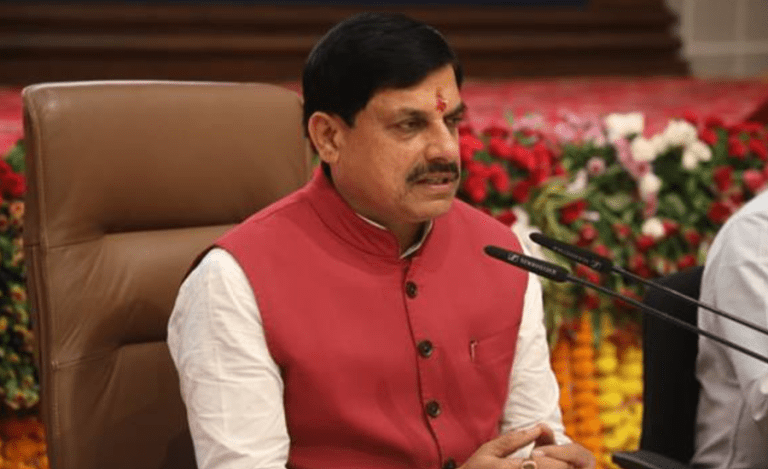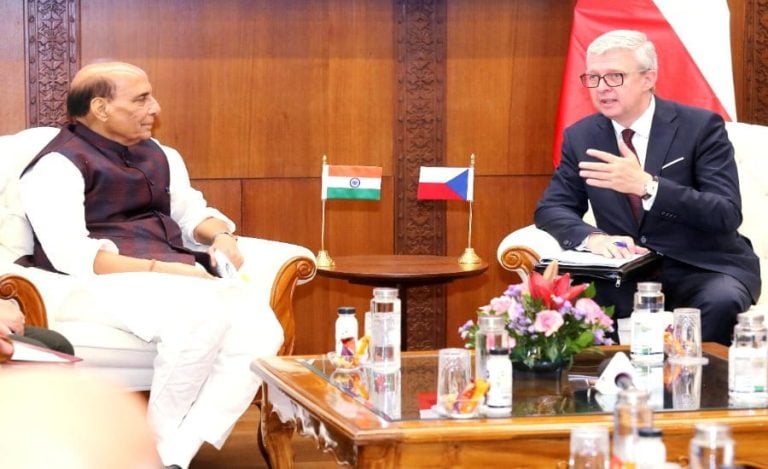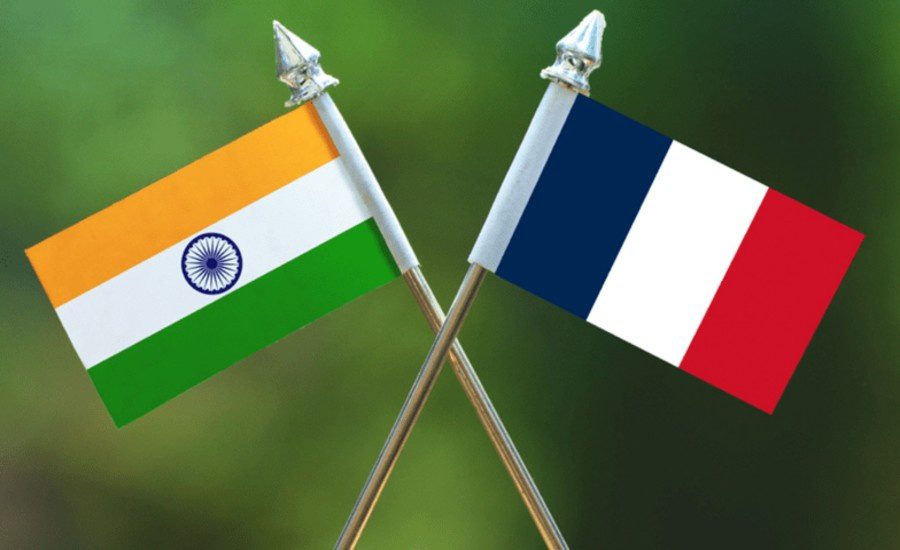
Nice: India-France 13 major agreements became the biggest highlight of Prime Minister Narendra Modi’s visit to France ahead of the G7 Summit. During a high-level meeting in Nice, PM Modi and French President Emmanuel Macron announced a series of strategic outcomes aimed at strengthening cooperation in defense, technology, artificial intelligence, digital payments, trade, innovation, and global security.
The agreements signal a deeper partnership between two countries that already share strong ties in the Indo-Pacific and global diplomacy.
Details of India-France Agreements 2026
Prime Minister Narendra Modi began his France visit in Nice, where he met President Emmanuel Macron before attending the G7 Summit events.
Read also: India-Germany Submarine Deal 2026: Timeline, Technology, and Strategic Impact Explained
The leaders reviewed bilateral cooperation and discussed:
- Defence and security
- Trade and investment
- Artificial Intelligence (AI)
- Space cooperation
- Nuclear energy
- Digital payments
- Innovation and startups
- Indo-Pacific security
- Climate action
- Global governance reforms
The meeting reflects the growing importance of the India-France strategic partnership in an increasingly uncertain global environment.
India-France Agreements 2026: Key Highlights of the 13 Major Outcomes
1. India-France Innovation Roadmap 2030
One of the most significant outcomes was the adoption of the India-France Innovation Roadmap 2030.
The roadmap focuses on:
- Critical technologies
- Emerging technologies
- Research cooperation
- Startup ecosystems
- Artificial Intelligence
- Innovation-led growth
The initiative aims to create long-term collaboration between industries, universities, and innovation centers in both countries.
2. Expansion of UPI in France
India and France discussed expanding the reach of India’s Unified Payments Interface (UPI).
Key benefits include the following:
- Easier digital payments for Indian tourists
- Better financial connectivity
- Faster cross-border transactions
- Increased digital trade opportunities
UPI’s expansion represents India’s growing influence in global digital finance.
3. Joint AI Working Group
The two countries agreed to establish a Joint India-France AI Working Group.
The group will focus on:
- AI governance
- Ethical AI development
- Research collaboration
- AI applications in public services
This move comes as both nations seek leadership roles in the rapidly evolving AI sector.
4. Defence Cooperation
Defense remains a cornerstone of India-France relations.
Areas of cooperation include:
- Defence manufacturing
- Technology transfer
- Joint production
- Military modernization
- Maritime security
France is already one of India’s most important defense partners through Rafale fighter aircraft, submarines, and missile systems.
5. Civil Nuclear Cooperation
Both sides reaffirmed their commitment to expanding civil nuclear cooperation.
The objective is to:
- Improve energy security
- Support clean energy goals
- Strengthen long-term energy partnerships
Civil nuclear cooperation has remained a key pillar of bilateral relations for many years.
6. Trade Growth Initiative
India and France announced a joint ambition to double bilateral trade within five years.
The initiative aims to:
- Increase exports
- Boost investments
- Improve market access
- Strengthen supply chains
This could significantly enhance economic engagement between the two nations.
7. Economic Security Dialogue
A new economic security dialogue will help both countries cooperate on the following:
- Supply-chain resilience
- Strategic industries
- Technology security
- Economic risk management
This reflects growing concerns over global economic disruptions.
8. Startup and Innovation Cooperation
At the Bharat Innovates 2026 event, both leaders promoted deeper collaboration among:
- Startups
- Venture capital firms
- Universities
- Research institutions
The initiative is expected to create new opportunities for young innovators.
9. Space Cooperation
India and France agreed to continue cooperation in:
- Satellite technology
- Space research
- Scientific missions
- Emerging space technologies
Space remains one of the strongest sectors of bilateral cooperation.
10. Climate and Clean Energy Cooperation
The leaders reaffirmed commitments toward the following:
- Climate action
- Renewable energy
- Sustainable development
- Green technologies
The partnership aligns with global climate goals.
11. Education and Research Exchanges
Both countries plan to expand:
- Student exchanges
- Academic partnerships
- Joint research projects
- Higher education cooperation
This will strengthen people-to-people ties.
12. Indo-Pacific Cooperation
India and France emphasized maintaining the following:
- Free navigation
- Regional stability
- Maritime security
- Rules-based international order
Both nations view the Indo-Pacific as a key strategic region.
13. Global Governance and Multilateral Cooperation
The leaders discussed reforms in global institutions and stronger coordination on international issues.
- This includes cooperation on:
- G7 priorities
- Global South concerns
- International security
- Economic governance
India’s growing role in global diplomacy was a major theme of the meeting.
What is the Importance of India-France Agreements 2026
The Modi-Macron meeting comes at a time when:
- Global geopolitical tensions remain high.
- Supply chains are being reshaped.
- AI is becoming a strategic technology.
- Nations are seeking trusted partners for defense and innovation.
For India, France has emerged as one of its most reliable strategic partners in Europe. For France, India represents a major economic and geopolitical partner in the Indo-Pacific region.
Expert Analysis: A Partnership Moving Beyond Defence
Traditionally, India-France relations were driven mainly by defence cooperation.
However, the latest agreements show a major shift toward:
- Artificial Intelligence
- Innovation ecosystems
- Digital payments
- Critical technologies
- Economic security
- Startup collaboration
The adoption of the Innovation Roadmap 2030 and the creation of an AI Working Group indicate that future cooperation will increasingly focus on technology leadership rather than only military ties.
Read also: Beyond Pinaka: How Private Defence Companies Are Reshaping India’s Future Rocket Force