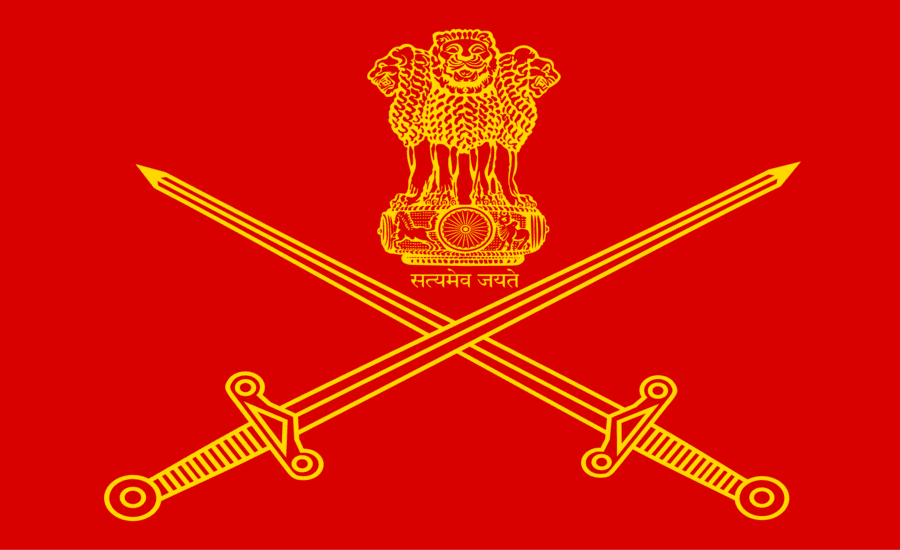
New Delhi: The Indian Army Uniforms 2026 regulations mark a major change in the army’s dress policy. The Indian Army has revised its uniform rules to remove several colonial-era symbols, modernize military traditions, and standardize dress regulations across the force.
The new 174-page manual introduces Indian elements such as the Bandi jacket, removes outdated terminology, and updates ceremonial dress practices while maintaining military discipline and heritage.
Details of Indian Army Uniforms 2026 Manual
1. Mandatory Swords Removed For Reviewing Officers
One of the biggest changes is the removal of the mandatory requirement for reviewing officers to carry ceremonial swords during parades and official events.
Read also: Indian Army Kautilya Application Launched: Features, AI Benefits & Key Details
The army has made sword carriage optional, reducing dependence on colonial-era ceremonial traditions.
2. “Royal” Terminology Dropped
The Army has discontinued the use of archaic terminology such as “Royal“ in dress-related regulations and traditions.
This step is aimed at eliminating symbols linked to British colonial heritage.
3. Bandi Jacket Officially Approved
The new regulations formally approve the use of the closed-neck Bandi jacket as a civil formal dress option for officers.
Previously, officers had limited choices, such as:
- Bandhgala
- Lounge suit
- Full-sleeve shirt with tie
The addition of the Bandi jacket reflects an Indian identity in official military attire.
4. Ceremonial Pouch Belts Removed
The Army has removed ceremonial pouch belts from mess dress categories 5 and 6.
These belts were traditionally worn during:
- State functions
- Military dinners
- Formal receptions
The change reduces the use of ceremonial accessories inherited from colonial traditions.
5. New Winter Dress Introduced
The manual introduces a new winter dress known as Dress 3B.
Key components include:
- Angola shirt
- Battle jacket
- Beret
The move is intended to improve practicality and standardization across ranks.
Why Has The Indian Army Changed Its Dress Regulations?
The latest reforms are part of the Army’s broader effort to align its traditions with India’s sovereign identity and modern military values.
According to reports based on the newly issued Army Uniforms-2026 manual:
- Colonial-era practices are being phased out.
- Dress regulations are being standardized across the force.
- Indigenous clothing elements are being encouraged.
- Ceremonial customs are being simplified.
- Uniformity and professionalism are being strengthened.
First Major Update In Eight Years
The Army Uniforms-2026 booklet is the first comprehensive revision of dress regulations in nearly eight years.
The 174-page document updates:
- Ceremonial dress
- Formal attire
- Winter uniforms
- Grooming standards
- Uniform numbering systems
- Dress instructions for officers and soldiers
The revision is designed to balance military traditions with modern operational and cultural requirements.
Expert Analysis: What Do These Changes Mean?
Symbolic Importance
The removal of swords, pouch belts, and colonial terminology reflects a larger effort to strengthen an Indian military identity.
Operational Benefits
Standardized dress rules help:
- Improve uniformity
- Simplify administration
- Reduce confusion across formations
- Enhance professional appearance
Cultural Relevance
The introduction of the Bandi jacket demonstrates a shift toward incorporating Indian cultural elements into official military attire while preserving military discipline.
Broader Context
The Indian Army has been reviewing legacy customs and practices for several years as part of efforts to remove remaining colonial influences.
Previous initiatives included reviews of traditions, regimental practices, and administrative procedures inherited from the British era.