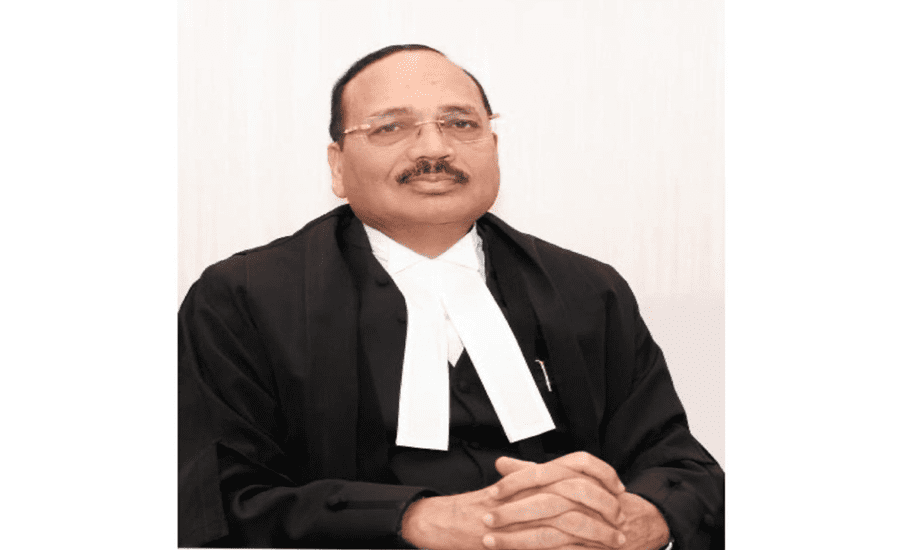
New Delhi: CJI Surya Kant and NALSAR students controversy took a new turn on August 14 after the Supreme Court questioned the BCI action against students of NALSAR University of Law. While hearing a plea challenging BCI circulars, Chief Justice of India (CJI) Surya Kant said that if students are protesting lawfully, the BCI has no role in interfering. The Supreme Court has now issued notice to the Bar Council of India and agreed to hear the matter.
NALSAR vs BCI Row: What Did CJI Surya Kant Say
A Bench led by CJI Surya Kant observed that students have the right to express their views peacefully and lawfully. The Chief Justice questioned why the Bar Council of India had issued circulars regarding the students and said the matter was essentially a dialogue between him and the students. The Court indicated that lawful student protests should be allowed in a democratic system.
Read also: Why BCI Is Setting Up a National Legal Academy for Lawyers in Goa
Why Did The NALSAR vs BCI Row Start
The issue began after some NALSAR University students reportedly opposed the invitation extended to CJI Surya Kant as the chief guest for the university’s upcoming convocation. Following the controversy, the Bar Council of India issued circulars directing State Bar Councils not to enroll NALSAR’s graduating 2026 students as advocates until further orders and sought information regarding individuals involved in the campaign.
NALSAR vs BCI Row: BCI Later Withdrew The Enrollment Restriction
After criticism from legal experts and public discussion, the BCI revised its position. The Council withdrew the blanket restriction on enrollment of NALSAR’s 2026 graduates and clarified that the majority of students should not suffer for the actions of a few individuals.
NALSAR University’s Response
NALSAR University stated that it received two communications from the BCI on August 13. The first communication restricted enrollment of graduating students and sought an inquiry report. The second communication withdrew the enrollment restriction but retained the request for an inquiry report from the Vice-Chancellor.
The university said it would examine whether conducting such an inquiry would be constitutional and permissible under its governance framework before taking any decision.
NALSAR vs BCI Row: BCI Chairman Clarifies Position
BCI Chairman Manan Kumar Mishra later clarified that the controversial order had been completely withdrawn after an emergency meeting of the Council. He stated that no inquiry would be conducted and emphasized that the Council’s intention was to ensure that law students do not face difficulties in obtaining judicial internships or pursuing their legal careers.
Supreme Court Issues Notice
The Supreme Court has formally issued notice to the Bar Council of India and sought its response. The Court is expected to examine the legality of the BCI’s actions and the concerns raised by NALSAR students regarding the circulars.
Why NALSAR vs BCI Row Matters
The case has sparked a wider debate about:
- Freedom of expression for university students.
- Limits of regulatory action by professional bodies.
- Rights of law students to protest peacefully.
- Relationship between legal institutions and academic autonomy.
Legal experts say the outcome could influence how educational institutions and regulatory bodies handle student dissent in the future.
Read also: BCI Law College Inspection: Universities Get 6 Weeks to Check Faculty, Classes and Infrastructure