New Delhi: A petition filed by advocate Swaty Singh challenges the Delhi Police decision to remove Jantar Mantar from the list of designated protest sites. The plea argues that shifting demonstrations to distant locations could weaken citizens’ fundamental rights to freedom of speech and peaceful assembly.
Details of Jantar Mantar Protest Site Ban Petition
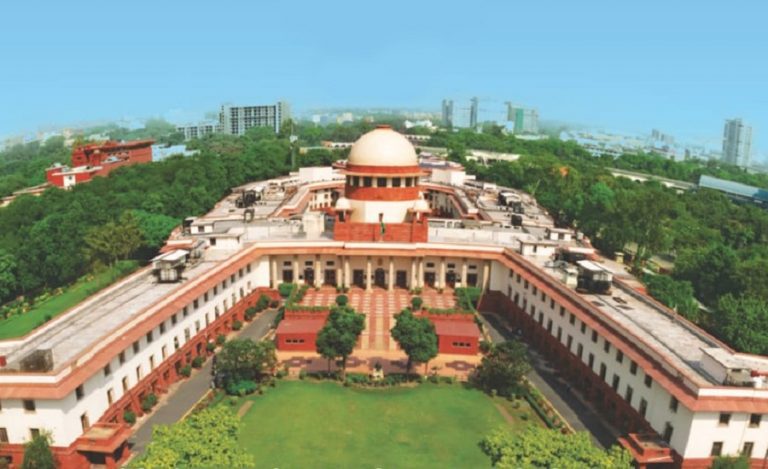
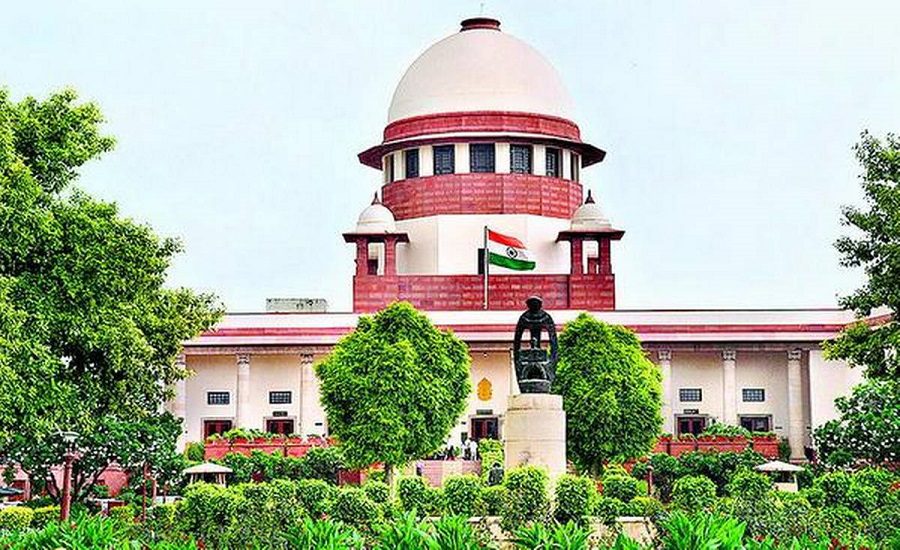
A petition has been filed in the Supreme Court of India challenging the Delhi Police decision to stop recognising Jantar Mantar as a designated protest site in New Delhi.
Read also: Why This Supreme Court Judgment Could Change Human Rights Litigation In India
The petition was filed by advocate Swaty Singh. It challenges a standing order dated October 11, 2026, issued by Delhi Police Commissioner Anurag Kumar.
The police have named three alternative locations for protests and demonstrations. These are Ramlila Ground, Burari Ground and CBD Ground in East Delhi.
The petition argues that moving protests away from Jantar Mantar could make it harder for citizens to raise their concerns before government authorities and the public.
Why Did Delhi Police Remove Jantar Mantar As A Protest Site
Delhi Police issued the order following recommendations from a committee formed by the Union Ministry of Home Affairs. The committee was set up to examine alternative locations for public protests and demonstrations in Delhi.
The police also referred to a Supreme Court order dated October 9, 2026, while explaining the decision before the Delhi High Court.
According to the police, the court had called for suitable alternative locations with better facilities for people participating in peaceful protests. However, the new petition argues that simply naming alternative locations is not enough. It says the authorities must also examine whether these places are accessible, affordable and suitable for demonstrators.
Jantar Mantar Protest Site Ban: What Does The Supreme Court Petition Say
The petition argues that removing Jantar Mantar as a designated protest site could affect two fundamental rights guaranteed by the Constitution of India.
These are the right to freedom of speech and expression under Article 19(1)(a) and the right to assemble peacefully under Article 19(1)(b).
The plea accepts that the government can regulate these rights to maintain public order. However, it argues that such regulation should not make the rights meaningless in practice.
According to the petition, the location of a protest is an important part of its purpose. A demonstration allows citizens to express disagreement, raise public issues and bring their complaints to the attention of the authorities. The lawyer argues that moving demonstrations to distant places could reduce their visibility and public impact.
Why Is The Location Of A Protest Important
The petition states that a protest is not simply about gathering people at a particular place. It is also about communicating concerns to the people and institutions that can address them.
Jantar Mantar is located in central Delhi and has long been associated with public demonstrations on political, social and other public issues.
According to the plea, being close to the concerned authorities and having access to public attention can help protesters communicate their demands more effectively.
The petition warns that moving demonstrations to distant areas may increase travel costs, make participation more difficult and separate protesters from the authorities they want to reach. It also argues that a protest may lose much of its practical impact if it becomes less visible to its intended audience.
Which Alternative Protest Sites Have Been Named
Delhi Police has designated three alternative locations for holding protests and demonstrations.
1. Ramlila Ground
Ramlila Ground has been named as one of the new locations for public demonstrations in Delhi.
2. Burari Ground
Burari Ground has also been designated as an alternative venue for protests.
3. CBD Ground, East Delhi
CBD Ground in East Delhi is the third location named in the police order. The petition questions whether these locations will provide practical access to protesters and meet their needs. It argues that authorities should consider factors such as distance, transport access, availability, affordability and the ability to communicate with the intended audience.
The police order also stated that detailed and revised standard operating procedures for the new locations would be issued separately. The petition questions the decision to remove Jantar Mantar immediately while leaving the detailed rules for the alternative venues to be announced later.
Jantar Mantar Protest: What Did The Supreme Court Say On October 9
Delhi Police has linked its decision to an order passed by the Supreme Court on October 9, 2026.
According to reports of the proceedings, the court called for suitable alternative protest locations with better facilities for peaceful demonstrators. The issue included the need to balance citizens’ right to protest with public safety, access for emergency services and the interests of other residents.
The police relied on this order while explaining why Jantar Mantar was removed from the list of designated protest venues. However, the new petition argues that the court’s observations should not be treated as automatic approval for any alternative location.
It says the authorities must examine whether the proposed venues allow citizens to exercise their fundamental rights in a meaningful way.
How Does The 2018 Supreme Court Judgment Affect The Case
The petition also relies on the Supreme Court’s 2018 judgment in Mazdoor Kisan Shakti Sangathan v. Union of India.
That judgment dealt with restrictions on protests at Jantar Mantar and the Boat Club area in Delhi.
The Supreme Court held that a complete ban on protests at these locations was not permissible. At the same time, the right to protest can be regulated to protect public order and the rights of other people.
The new petition argues that removing Jantar Mantar as a designated protest site goes against the principles established in that judgment. The court will need to consider the arguments and the relevant legal principles before deciding the challenge.
Jantar Mantar Protest: Petition Questions The Delhi Police Order
The plea also describes the police order as arbitrary and procedurally deficient. It argues that the order changed the existing arrangement with immediate effect without providing a complete system for accessing and using the newly designated venues.
According to the petition, announcing alternative sites should be accompanied by clear rules that explain how citizens can organise demonstrations at those locations. The lawyer has asked the Supreme Court to examine whether the decision properly protects the constitutional rights of citizens.
These are the petitioner’s allegations and legal arguments. They have not, by themselves, established that the police order is unconstitutional.
Read also: This Supreme Court Observation Could Redefine How Public Office Is Viewed In India
FAQs
Advocate Swaty Singh filed the petition in the Supreme Court challenging the removal of Jantar Mantar as a designated protest site. The petition argues that moving demonstrations to distant locations could weaken the fundamental rights to freedom of speech and peaceful assembly.
Delhi Police removed Jantar Mantar from the list of designated protest sites through an order dated October 11, 2026. The police named Ramlila Ground, Burari Ground and CBD Ground in East Delhi.
The petition refers to Article 19(1)(a) and Article 19(1)(b) of the Indian Constitution. These provisions protect freedom of speech and expression and the right to assemble peacefully, subject to constitutionally permitted restrictions.