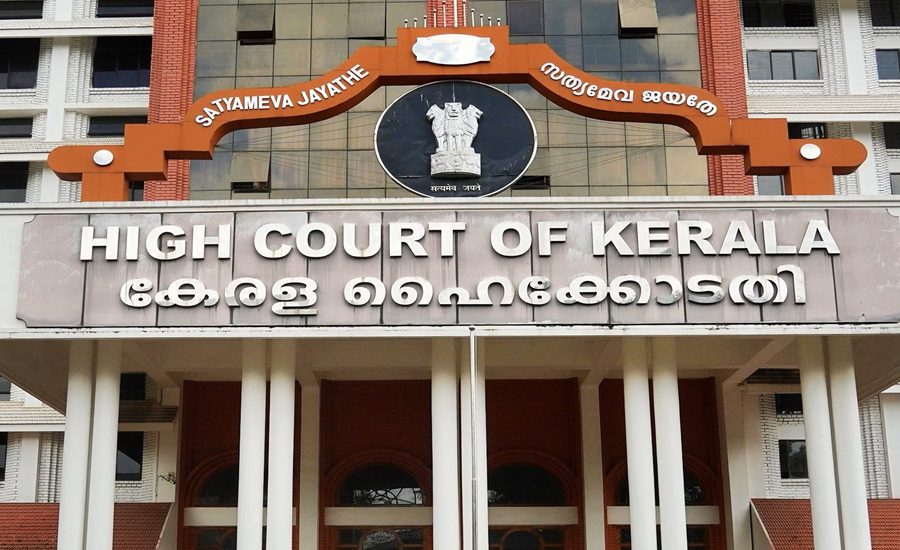
Thiruvananthapuram: The Kerala High Court has directed immediate action against 1,157 advocates practicing without a valid Certificate of Practice (CoP) in the state. The court also noted that many of these advocates had not cleared the All India Bar Examination (AIBE), which is mandatory for continuing legal practice in India.
The order was passed by a Division Bench comprising Chief Justice Soumen Sen and Justice Syam Kumar V.M. on August 19, 2026. The matter came before the court through a Public Interest Litigation (PIL) highlighting alleged failures in enforcing legal practice regulations.
Kerala Advocates Practice Case: Why The Kerala High Court Took Action
The PIL was filed by Amarnath Joshi Surendiran, who appeared in person before the court. The petition argued that several advocates were practicing law without obtaining a valid Certificate of Practice and that the relevant rules under the Advocates Act were not being properly enforced.
According to information presented before the court, a list of advocates enrolled between July 2010 and December 2021 showed many individuals who had not cleared the AIBE and had not secured the required Certificate of Practice.
Kerala Advocates Practice Case: What The Court Ordered
Publication Of The List
The High Court directed that the list of the 1,157 advocates be published immediately on the websites of both the Kerala High Court and the Bar Council of Kerala.
Restriction On Filing Cases
The court ordered that neither the High Court Registry nor district courts should register matters where these advocates have filed a Vakalathnama.
If any such filing is discovered, court officials must make a proper endorsement in the case records for the benefit of the concerned bench.
Communication To District Courts
The Registrar (District Judiciary) has been directed to send the list to all district judges across Kerala for compliance with the court’s directions.
Relief For Eligible Advocates
The court clarified that advocates whose names appear on the list can have their names removed if they subsequently obtain a valid Certificate of Practice and submit authentic proof before the authorities.
This ensures that genuine advocates who complete the required formalities are not permanently affected by the interim order.
Role Of The Bar Council Of Kerala
During the hearing, counsel for the Bar Council of Kerala informed the court that the council had not yet been formally constituted.
The court noted that an ad hoc committee is currently functioning and directed it to file an affidavit regarding the issue.
Verification Process Ordered
The ad hoc committee has been instructed to verify whether the advocates on the list had applied for Certificates of Practice.
The committee must also issue notices wherever necessary and take further action according to the Certificate and Place of Practice (Verification) Rules, 2015.
Importance Of Certificate Of Practice And AIBE
The All India Bar Examination (AIBE) is conducted to assess whether law graduates possess the minimum professional skills required to practice law.
A valid Certificate of Practice is an essential requirement for advocates who wish to continue appearing before courts and tribunals. The certificate also helps regulatory bodies maintain accurate records of active legal practitioners.
What Happens Next
The Kerala High Court has scheduled the matter for further consideration after 4 weeks.
The court is expected to review the steps taken by the ad hoc committee and examine whether the required verification and enforcement measures have been completed.
Read also: What Is Article 300A? Why Did the Kerala High Court Strike Down the Kerala Minerals Vesting Act
FAQs
Yes. If an advocate obtains a valid Certificate of Practice and submits authentic proof, their name can be removed from the published list.
A Certificate of Practice is an official authorization that allows eligible advocates to continue practicing law before courts and legal forums.
The court found that these advocates were allegedly practicing without a valid Certificate of Practice and many had not cleared the All India Bar Examination (AIBE).