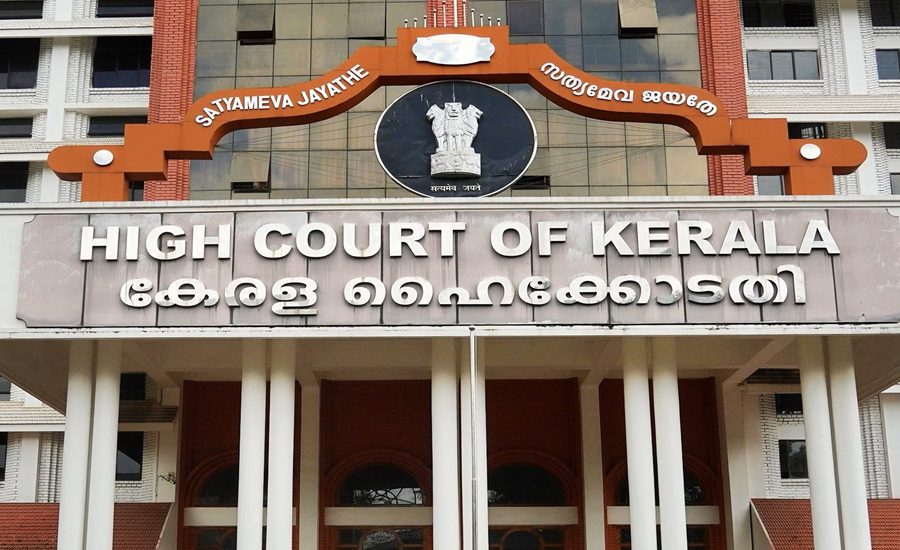
Tiruvanantpuram: The Kerala High Court has declared the Kerala Minerals (Vesting of Rights) Act, 2021 unconstitutional. The court ruled that the State cannot take over privately owned mineral rights without paying compensation and without following the constitutional safeguards provided under Article 300A of the Constitution of India. The judgment is expected to have a major impact on property rights and mining laws in Kerala.
Details of the Case Involving Kerala Minerals Vesting Act
The Kerala government had enacted the Kerala Minerals (Vesting of Rights) Act, 2021. The law aimed to transfer the ownership of privately held mineral rights to the State.
Read also: Kerala High Court Cracks Down on Cybercrime-Linked Bank Account Petitions Warns Junior Lawyers
Several landowners challenged the Act before the Kerala High Court. They argued that the government cannot take away private property or mineral rights without providing fair compensation or following the constitutional process.
The petitioners claimed that the law violated their constitutional right to property under Article 300A.
Kerala Minerals Vesting Act: What Did the Kerala High Court Say
A Division Bench comprising Justice A.K. Jayasankaran Nambiar and Justice Preeta A.K. held that the Kerala Minerals (Vesting of Rights) Act, 2021 is unconstitutional. The court observed that:
- The State cannot automatically become the owner of privately owned mineral rights.
- Any deprivation of private property must satisfy the requirements of Article 300A.
- If the government acquires private property, it must follow a valid legal process and provide compensation where constitutionally required.
- Simply passing a law cannot override constitutional protections for private property.
What Is Article 300A?
Article 300A of the Constitution of India states: No person shall be deprived of his property except by authority of law. Although the right to property is no longer a Fundamental Right, it remains a constitutional legal right.
Courts have repeatedly held that when the government acquires private property, the law must be fair, reasonable and comply with constitutional safeguards.
Why Is This Judgment Important
Legal experts believe the ruling strengthens constitutional protection for private property. The judgment makes it clear that:
- Governments cannot take private mineral rights without legal safeguards.
- Compensation remains an important principle when private property is acquired.
- State legislatures must ensure future property laws comply with the Constitution.
- The decision may influence similar disputes involving land acquisition and mineral ownership across India.
Key Highlights
- Kerala High Court struck down the Kerala Minerals (Vesting of Rights) Act, 2021.
- The court held that taking private mineral rights without compensation violates Article 300A.
- The judgment was delivered by Justice A.K. Jayasankaran Nambiar and Justice Preeta A.K.
- The ruling strengthens constitutional protection of private property.
- The decision may have significant implications for future mining and land acquisition laws in Kerala.