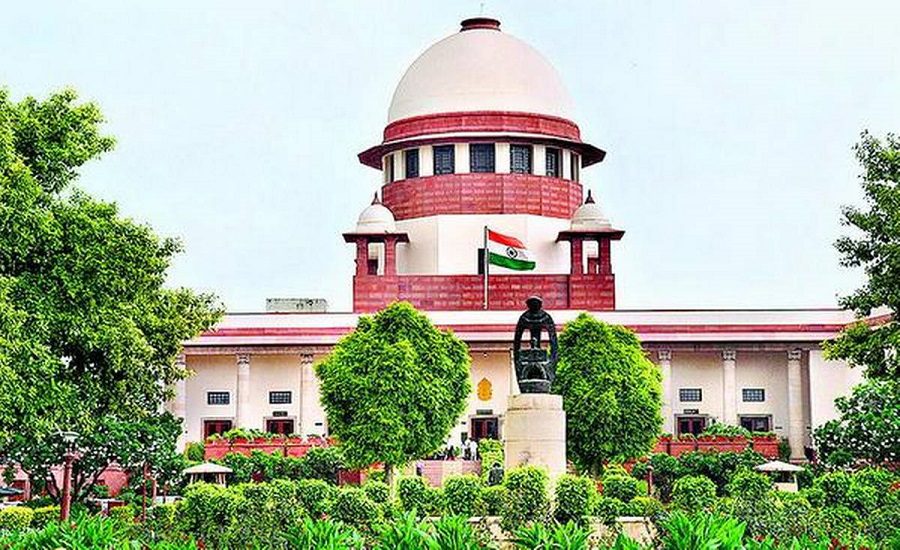
New Delhi: The Supreme Court Bar Association (SCBA) strongly condemned the Prabal Pratap case. The association has urged the government to introduce clear rules for recording, editing and sharing courtroom videos to protect the dignity of the judiciary and prevent misuse of court proceedings.
Details of Prabal Pratap Case
The incident took place during a hearing before a Bench of Justice K.V. Viswanathan and Justice Alok Aradhe. According to the SCBA, the litigant allegedly abused the judges, threw papers inside the courtroom and disrupted the proceedings. The Bar Association described the behaviour as disrespectful and unacceptable.
Read also: Inside the Supreme Court Drama: Petitioner Throws Papers, Shouts at Judges During Hearing
Prabal Pratap Case: SCBA Strongly Condemns the Incident
In its official statement, the SCBA said the dignity and majesty of the Supreme Court must always be respected. The association stated that any attempt to threaten, abuse or disrupt judicial proceedings weakens the administration of justice and should be dealt with strictly according to law.
Why Does SCBA Want Courtroom Video Guidelines
The SCBA has asked for comprehensive guidelines on:
- Recording courtroom proceedings.
- Editing and clipping court videos.
- Sharing courtroom videos on social media and other platforms.
- Preventing misuse of selective or edited video clips.
The association believes such rules will protect the dignity of the judiciary and prevent misleading or manipulated videos from damaging public trust in the courts.
Appeal to the Union Government
The SCBA has also requested the Union Government to consider legal and executive measures to stop the circulation of edited courtroom videos that may misrepresent judicial proceedings. According to the association, responsible use of courtroom recordings is necessary to maintain confidence in India’s justice system.
Supreme Court’s Response
The statement came shortly after the courtroom disruption. Although the litigant allegedly created a disturbance, the Supreme Court later decided not to begin contempt proceedings against the individual after considering his condition.
Read also: Can Pregnant IPS Officers Be Denied Training? Supreme Court Questions Centre Over 1993 MHA Policy