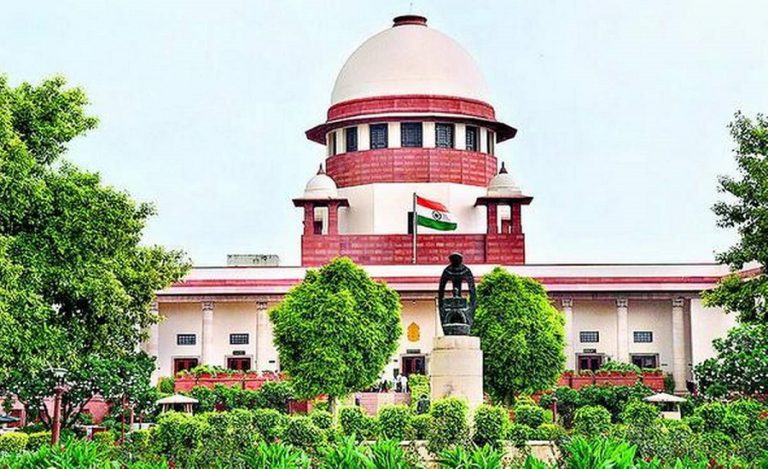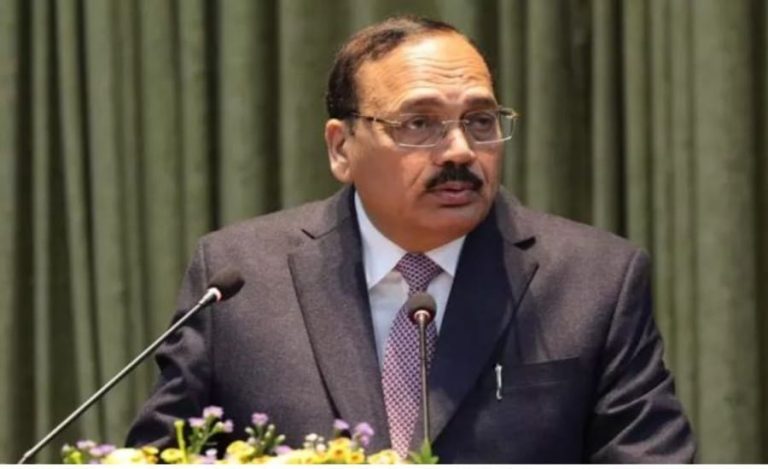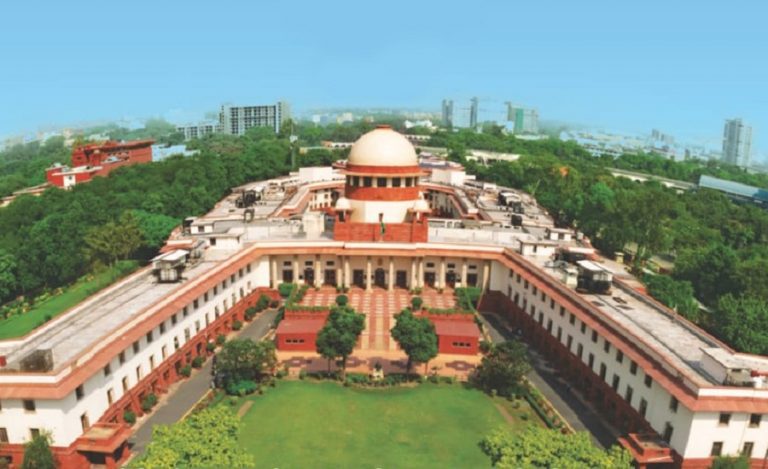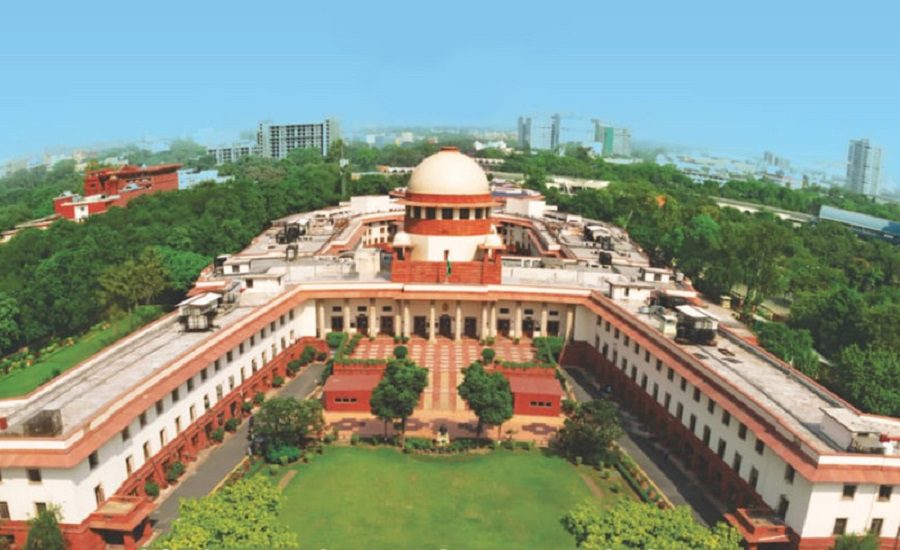
New Delhi: The Supreme Court of India issued notices on petitions challenging the lifetime legal protection given to the Chief Election Commissioner (CEC) and other Election Commissioners. The petitions, filed by RJD MP Manoj Kumar Jha and activist Arun Kumar Agrawal, question whether this protection under the 2023 law is constitutional.
The Court has also discouraged lawyers from filing more petitions raising similar issues, saying that repeated cases could delay the main hearing.
Supreme Court Seeks Response On Chief Election Commissioner Immunity
On November 4, 2026, a three-judge bench of the Supreme Court issued notices on petitions filed by Manoj Kumar Jha and Arun Kumar Agrawal.
Read also: Why Are 42 Former Judges Supporting The Election Commission In India?
The bench was led by Chief Justice of India (CJI) Surya Kant and included Justice Joymalya Bagchi and Justice V. Mohana.
The petitions challenge Section 16 of the Chief Election Commissioner and Other Election Commissioners (Appointment, Conditions of Service and Term of Office) Act, 2023.
The Court tagged these petitions with earlier cases filed by the NGO Lok Prahari and the Association for Democratic Reforms (ADR). The matter was listed for further hearing on December 18, 2026.
What Is Section 16 Of The 2023 Act
Section 16 provides legal protection to the Chief Election Commissioner and other Election Commissioners for actions taken while performing or claiming to perform their official duties.
It prevents courts from starting or continuing civil and criminal proceedings against a person who is or was an Election Commissioner for acts, words or decisions connected with official duties.
In simple words, the provision gives former and serving Election Commissioners protection from certain legal proceedings even after they leave office.
The petitioners argue that this protection is too broad and could prevent citizens from seeking legal remedies against alleged wrongdoing.
Supreme Court Says No More Similar Petitions Should Be Filed
During the hearing, the Chief Justice expressed concern about multiple petitions raising almost identical questions.
The bench said that repeated cases could delay the completion of legal arguments and prevent the Court from focusing on the main constitutional issue.
The CJI indicated that lawyers should avoid filing more petitions on the same subject. However, the Court clarified that it would not stop anyone from raising a genuinely new and important legal point.
It also suggested that people could seek to become parties to the existing cases and present additional arguments instead of filing separate petitions.
Why Has Manoj Kumar Jha Challenged Section 16
Manoj Kumar Jha has argued that Section 16 gives Election Commissioners unusually broad legal protection.
His petition describes the provision as a “fraud” on the Constitution.
He argues that the Constitution does not provide similar lifetime immunity to several other important constitutional authorities.
According to his petition, Article 324 of the Constitution deals with the Election Commission but does not grant its members such blanket protection from civil and criminal proceedings.
Jha has also questioned whether Parliament can provide this level of immunity through an ordinary law.
Questions Over The Introduction Of Section 16
The petition also raises questions about how Section 16 became part of the 2023 law. Jha claims that the original Bill did not contain this immunity provision.
According to his petition, the provision was introduced through a later official amendment shortly before Parliament passed the legislation.
He has argued that the amendment did not receive adequate scrutiny or public discussion.
The petition also compares Section 16 with the Judges (Protection) Act, 1985, arguing that important safeguards available under the judges’ protection law were not included.
Arun Kumar Agrawal Also Challenges The Chief Election Commissioner Immunity Provision
Activist and lawyer Arun Kumar Agrawal has filed a separate petition challenging Section 16.
His petition argues that Election Commissioners already receive protection through security of tenure and safeguards against arbitrary removal. Therefore, he questions why they should receive complete protection from civil and criminal proceedings for actions connected with their official duties.
Agrawal also argues that the provision could affect the rights of ordinary citizens. For example, voters, candidates and other citizens may face difficulties seeking legal remedies if they suffer because of alleged wrongful actions by Election Commissioners.
Advocate Fauzia Shakil appeared for Manoj Jha, while Advocate Neha Rathi represented Agrawal.
Earlier Supreme Court Challenges By Lok Prahari And ADR
The constitutional validity of Section 16 was already being examined by the Supreme Court before these latest petitions. In January 2026, the Court issued notice on a petition filed by NGO Lok Prahari.
The organisation questioned whether Parliament could grant such extensive immunity to Election Commissioners under the constitutional framework.
The Court did not stay Section 16 at that stage but agreed to examine the legal issue.
Later, on October 13, 2026, the Supreme Court issued notice on the petition filed by the Association for Democratic Reforms (ADR).
ADR challenged the provision and sought the revival of civil and criminal proceedings that had ended following its introduction.
The latest petitions by Jha and Agrawal have now been connected with these pending challenges.
What Happens Next
The Supreme Court will examine whether Section 16 of the 2023 Act is consistent with the Constitution.
The Centre and the Election Commission will have an opportunity to respond to the challenges.
The next hearing is scheduled for December 18, 2026, according to the LiveLaw report.
The Court has not declared Section 16 unconstitutional or struck it down. The provision remains in force unless the Court orders otherwise.
The outcome could have an important impact on the legal accountability and independence of India’s Election Commission.
Read also: Constitutional Experts Launch Nationwide Inquiry Into Election Commission’s SIR Exercise
FAQs
Section 16 prevents courts from entertaining or continuing civil or criminal proceedings against serving or former Election Commissioners for acts, words or actions connected with the discharge of their official duties.
Manoj Kumar Jha has challenged Section 16 of the 2023 Act, arguing that it gives the Chief Election Commissioner and other Election Commissioners excessive lifetime immunity from civil and criminal proceedings.
The Supreme Court has listed the connected petitions for hearing on December 18, 2026. The Court will examine the constitutional validity of Section 16.