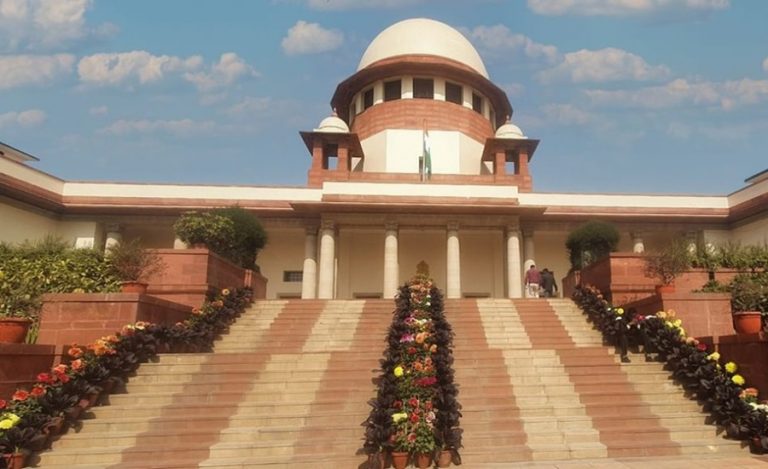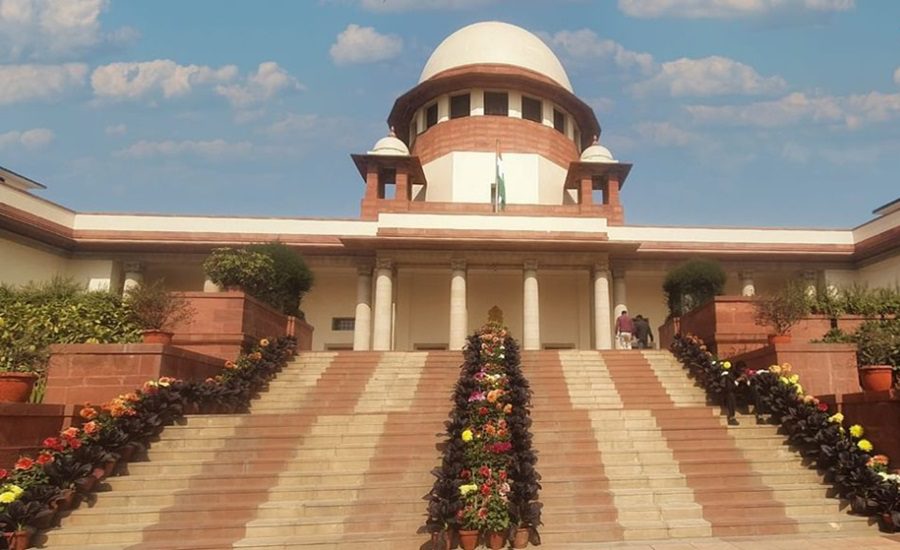
New Delhi: The Supreme Court of India has directed the Centre to establish a special cell to monitor the implementation of the Child and Adolescent Labour (Prohibition and Regulation) Act, 1986.
The cell will oversee the enforcement of the law and help ensure that children’s rights are protected across the country. The Court has also directed the Centre to issue instructions to enforcement agencies through the Chief Secretaries of all States to ensure strict compliance with the amended law.
Child Labour Issue: Supreme Court Issues Directions To Centre
A bench comprising Justice S.V.N. Bhatti and Justice N.V. Anjaria issued these directions while hearing a long-pending petition filed by the organisation Health For Millions against the Union of India.
Read also: Supreme Court Pulls Up CARA in A Major Child Adoption Delay Case
The case, titled Health For Millions Vs Union Of India, was filed in 2009 under Writ Petition (Civil) No. 501/2009.
In its order dated October 29, 2026, the Supreme Court directed the Secretary of the Ministry of Women and Child Development to establish a special cell.
The cell will continuously monitor the implementation of the Child and Adolescent Labour (Prohibition and Regulation) Act, 1986, including the changes introduced through the 2016 amendment.
The Court also directed the Centre to issue necessary instructions to enforcement agencies through the respective Chief Secretaries of the States.
This step aims to improve the enforcement of child labour laws and ensure that government authorities fulfil their responsibilities towards protecting children and adolescents.
What Is The Child Labour Act, 1986
The Child and Adolescent Labour (Prohibition and Regulation) Act, 1986, is an important Indian law designed to protect children from employment and adolescents from hazardous work.
The law was significantly amended in 2016 through the Child Labour (Prohibition and Regulation) Amendment Act, 2016.
The amendment introduced stronger restrictions on child employment. Under the amended law, employing children below 14 years of age is prohibited in all occupations and processes, subject to limited legal exceptions.
These exceptions include helping in certain non-hazardous family enterprises after school hours or during vacations, subject to statutory conditions. Children may also work as artists in specified entertainment activities under prescribed conditions.
The law also prohibits adolescents between 14 and 18 years of age from working in hazardous occupations and processes listed in the Act. The amended provisions came into force on September 1, 2016.
Why Did The Supreme Court Issue This Direction
The case originated from a petition filed by Health For Millions in 2009. The organisation had challenged certain provisions of the Child Labour (Prohibition and Regulation) Act, 1986, particularly the proviso to Section 3.
The petition questioned the legal provisions that allowed certain exceptions to the prohibition on employing children, including work connected with beedi-making.
It also requested the Court to direct the Centre to provide educational facilities and two mid-day meals to children engaged in such work. However, during the hearing, the Centre informed the Court that the 2016 amendment had substantially addressed the concerns raised in the petition.
The government also submitted that the original issues raised in the petition no longer required further consideration because of the changes introduced in the law.
Supreme Court Says Strict Implementation Remains Important
After examining the matter, the Supreme Court observed that the original prayers in the petition no longer survived for further consideration due to the legislative changes. However, the bench made it clear that the responsibility of ensuring the complete and strict implementation of the amended law remained with the concerned authorities.
The Court emphasised that the changes introduced through Amendment Act No. 35 of 2016 must be fully implemented.
To protect the rights of children and adolescents, the bench directed the Ministry of Women and Child Development to establish a special monitoring cell.
It also instructed the authorities to coordinate with enforcement agencies through the Chief Secretaries of the respective States. With these directions, the Supreme Court disposed of the writ petition.
Read also: Children Need a Digital Safety Standard, Not Just a Screen-Time Rule
FAQs
The Secretary of the Ministry of Women and Child Development has been directed to constitute the special cell to monitor the implementation of the child labour law.
The Supreme Court directed the Centre to create a special cell to monitor the implementation of the Child and Adolescent Labour (Prohibition and Regulation) Act, 1986, and ensure strict enforcement of its amended provisions.
The Child Labour Amendment Act, 2016, prohibits the employment of children below 14 years in all occupations and processes, subject to limited exceptions. It also prohibits adolescents aged 14 to 18 from working in hazardous occupations and processes listed under the law.