Bihar: The Patna high court 40% job quota controversy has reached the Supreme Court after a contempt petition challenged new recruitment rules that reserve 40% of certain posts for domestic helpers of judges. The petition argues that the quota violates the Supreme Court’s earlier directions requiring transparent recruitment and public advertisement for court appointments. The case raises important questions about fairness, transparency and equal opportunity in judicial recruitment.
Details of Bihar Judges Domestic Helpers Job Quota
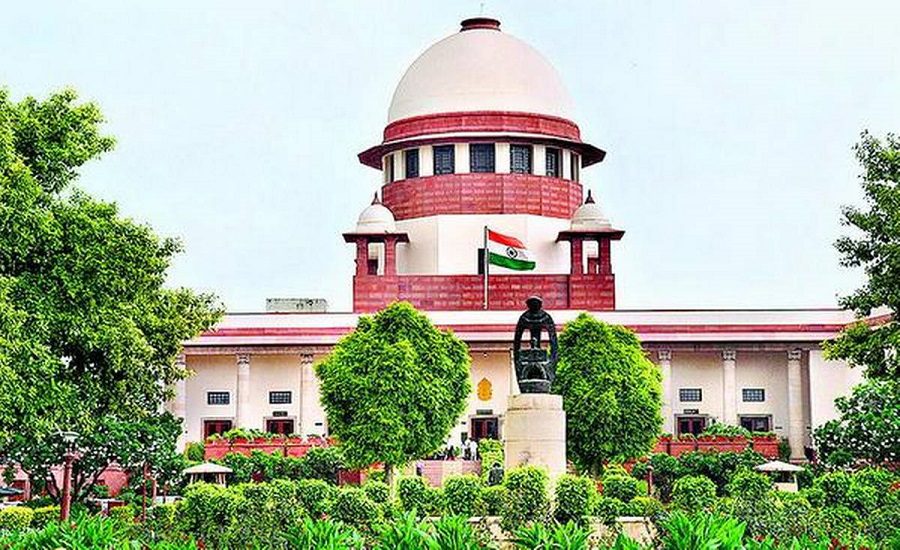
A contempt petition has been filed before the Supreme Court of India challenging amendments made to recruitment rules in the Patna High Court.
Read also: Why CJI Surya Kant Called Allahabad & Patna High Courts ‘Problematic’ In Criminal Matters
The petition questions a provision that allows 40% of sanctioned Regular Mazdoor posts to be filled through selection or recommendation by the Chief Justice or judges under the Patna High Court Judges’ Domestic Help (Modified) Scheme, 2025.
Why Has the Petition Been Filed
The petitioner claims that the new recruitment system violates the Supreme Court’s judgment in Renu v District & Sessions Judge, Tis Hazari.
In that landmark ruling, the Supreme Court directed that vacancies in High Courts and subordinate courts should generally be publicly advertised and filled through a transparent selection process.
The judgment also stated that appointments made without the prescribed advertisement process would normally be invalid, except in limited situations permitted by law.
Bihar Judges Domestic Helpers Job Quota: How Did the Quota Increase
According to the petition, amendments to the recruitment rules were introduced in two stages.
The Thirteenth Amendment Rules, notified on July 24, allowed 25% of Regular Mazdoor posts to be filled through recommendations under the Domestic Help Scheme. Later, the Fourteenth Amendment Rules, notified on August 13, increased the quota from 25% to 40%.
Bihar Judges Domestic Helpers Job Quota: What Does the Petition Argue
The petition alleges that the 40% quota allows appointments without public advertisement or an open competitive recruitment process. It argues that this directly conflicts with the Supreme Court’s earlier directions on transparent recruitment.
The petitioner has also claimed that candidates selected under the recommendation quota face fewer eligibility requirements than those applying through direct recruitment.
Differences in Recruitment Process
For the remaining 60% of posts, candidates must apply through direct recruitment.
Applicants are required to meet educational qualifications, clear written examinations, skill tests and interviews. However, the petition claims that candidates appointed under the recommendation quota only need to satisfy limited eligibility conditions, leading to concerns about equal opportunity and transparency.
Contempt Action Sought
The petition has reportedly sought contempt proceedings against concerned officials for alleged non-compliance with the Supreme Court’s earlier judgment.
The matter is now before the Supreme Court, which will decide whether the challenged recruitment rules are consistent with its previous directions.
Read also: India Creates Judicial History as Four Women Serve as High Court Chief Justices Together