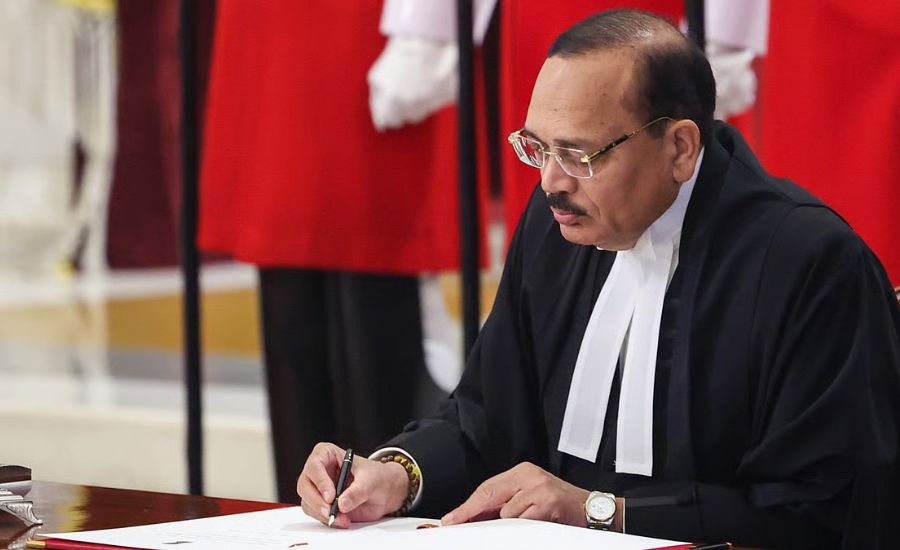
New Delhi: The Madras High Court criminal case disposal system has become a major example for India’s judiciary after Chief Justice of India Surya Kant praised the court for quickly handling criminal matters.
During a hearing related to delays in bail cases, the CJI said the Madras High Court is currently the “fastest High Court” in disposing of criminal cases, while the Allahabad High Court and Patna High Court are facing serious challenges because of heavy pendency and slower disposal rates.
Madras High Court Criminal Case Disposal: What Did CJI Surya Kant Say?
According to the reports, Supreme Court bench raised concern over delays in hearing bail applications and criminal matters.
Read also: Digital Courts Explained: Sikkim’s Paperless Judiciary Sets the Blueprint for India
Key observations made by the CJI include:
- The Madras High Court is currently the fastest in disposing of criminal cases.
- The Allahabad High Court is under pressure because of an extremely high number of pending cases.
- The Patna High Court is also facing difficulties in criminal case management.
- Delay in bail hearings directly affects personal liberty and access to justice.
Why Are Allahabad And Patna High Courts Facing Problems?
Legal experts say several factors are increasing pendency in these High Courts:
1. Huge Number Of Pending Cases
The Allahabad High Court handles one of the largest case loads in India because it serves Uttar Pradesh, India’s most populated state.
2. Judge Shortage
Many High Courts continue to work with vacant judge positions, slowing down hearings and judgments.
3. Delay In Bail Hearings
Criminal matters, especially bail cases, often require urgent listing. Delays increase pressure on prisons and affect accused persons awaiting trial.
4. Infrastructure Challenges
Court digitization and modern case-management systems are still uneven across states.
Why Madras High Court Is Being Praised
The Madras High Court has often been appreciated for:
- Faster hearing schedules
- Better criminal roster management
- Timely disposal of bail petitions
- Strong use of digital court systems
- Consistent judicial monitoring
The remarks from the CJI are being seen as recognition of efficient judicial administration.
Growing Concern Over Judicial Pendency In India
India’s judiciary is currently dealing with millions of pending cases across district courts, High Courts, and the Supreme Court.
Recent studies and judicial data show:
- More than 55 million cases are pending across Indian courts.
- High Courts continue to face rising criminal and civil backlogs.
- Experts believe technology, more judges, and better scheduling systems are needed to reduce delays.
Madras High Court Criminal Case Disposal: Supreme Court’s Focus On Faster Justice
The Supreme Court has recently increased focus on:
- Speedy disposal of criminal appeals
- Faster bail hearings
- Judicial infrastructure modernization
- Use of technology and AI-based court management tools
CJI Surya Kant has also supported stronger judicial infrastructure planning to improve efficiency in courts across India.
Read also: CJI Surya Kant Launches Major Mission to Modernize Indian Courts With ₹50,000 Crore Fund