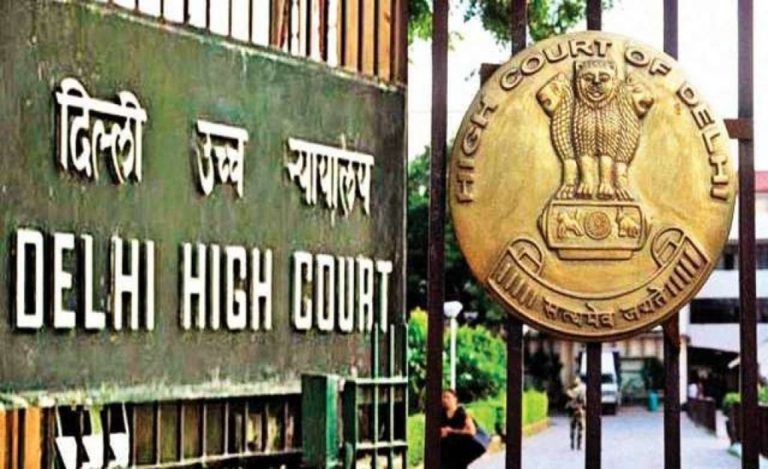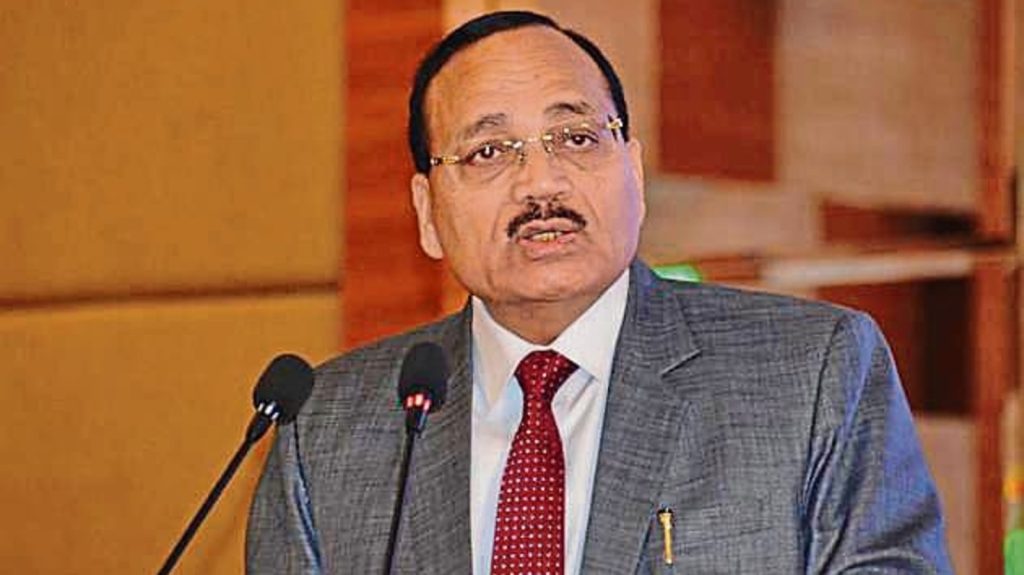
New Delhi: India’s judicial system may soon see one of its biggest infrastructure upgrades. The CJI Surya Kant court infrastructure committee has become a major talking point after Chief Justice of India Surya Kant formed a special committee to study the infrastructure needs of courts across the country.
The judiciary is reportedly planning to seek nearly ₹40,000 crore to ₹50,000 crore from the government for modernization and development of court facilities.
What is the CJI Surya Kant Court Infrastructure Committee
According to official reports, the newly created Judicial Infrastructure Advisory Committee will:
- Study infrastructure needs of courts across India
- Identify gaps in judicial facilities
- Prepare a detailed development report
- Suggest funding requirements for modernization
- Improve technology and physical court systems
The committee has been asked to submit its report to economist and PM Economic Advisory Council member Sanjeev Sanyal by August 31.
What is the Importance of CJI Surya Kant Court Infrastructure Committee
India’s courts continue to face major infrastructure challenges, including:
- Overcrowded courtrooms
- Lack of digital facilities
- Poor working spaces in lower courts
- Delays caused by inadequate infrastructure
- Rising number of pending cases
Judicial experts have repeatedly said that stronger infrastructure is necessary for faster justice delivery.
Research studies on Indian courts have also highlighted growing case pendency and uneven judicial resources across states.
Judiciary Seeking ₹40,000–50,000 Crore
Reports suggest the judiciary may seek:
- ₹40,000 crore to ₹50,000 crore funding support
- Investment in court buildings and technology
- Better digital systems for case management
- Modern facilities for judges, lawyers, and litigants
- Infrastructure expansion in district and lower courts
The proposed funding could become one of the biggest judicial infrastructure pushes in India’s history.
CJI Surya Kant’s Focus on Judicial Infrastructure
CJI Surya Kant has recently stressed that judicial infrastructure is “essential” for delivering justice efficiently.
Earlier this year, while addressing an event related to the Telangana High Court project, he stated that judicial infrastructure is not optional but necessary for the future of India’s justice system.
How Better Infrastructure Can Help
If implemented properly, the plan may help in:
- Faster disposal of cases
- Better digital hearings
- Reduced burden on courts
- Improved access to justice
- Better facilities in rural and district courts
- More transparency and efficiency
Experts believe modernization can improve both court efficiency and public trust in the judiciary.
Current Challenges in Indian Courts
India’s judicial system currently faces:
- Massive case backlog
- Shortage of courtrooms
- Technology gaps in lower judiciary
- Uneven infrastructure across states
- High pressure on judges and staff
Studies have shown that several courts require urgent modernization and improved digital systems to handle growing workloads effectively.
What Happens Next?
The committee will now:
- Collect infrastructure-related data from courts
- Prepare requirement estimates
- Suggest modernization plans
- Submit recommendations to the government
The final report could shape future judicial reforms and infrastructure investment policies in India.