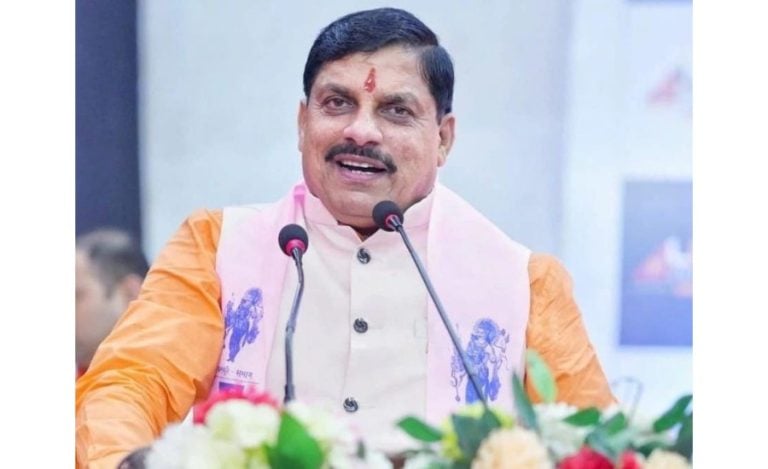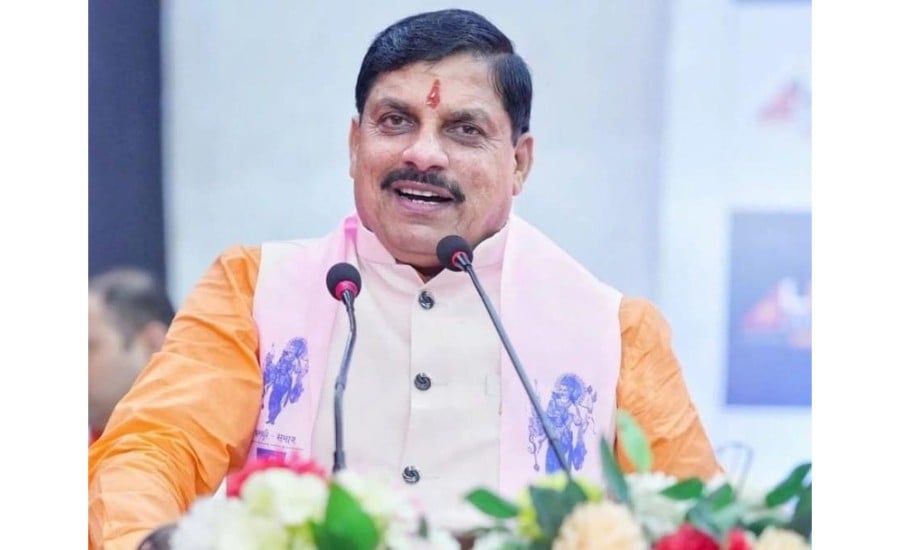
Gwalior: Madhya Pradesh Chief Minister Dr. Mohan Yadav honoured 10 sanitation workers at the Swachhta Doot Samman Samaroh in Gwalior on November 13, following the city’s recognition with the State First Swachh City Award in the Swachh Survekshan 2025–26.
The ceremony was held at Rajmata Vijayaraje Scindia Agricultural University, where the Chief Minister acknowledged the contribution of sanitation workers, popularly known as Safai Mitras, to the city’s cleanliness efforts. He also shared a meal with sanitation workers during the event.
Yadav said the contribution of sanitation workers was essential to maintaining cleanliness throughout the year, including during major festivals such as Holi and Diwali.
10 Sanitation Workers Felicitated
As part of the ceremony, the Chief Minister symbolically honoured 10 sanitation workers representing the city’s workforce.
Those felicitated included:
- Mamta and Dilip
- Vimla and Jagdish
- Meera and Mohan
- Sagun and Ramswaroop
- Kajal and Mahendra
- Kamal and Bhupesh
- Vinod and Sundar
- Naval and Ashok
- Manoj and Ghanshyam
- Chandra Prakash and Kalicharan
Sanitation brand ambassadors and social media influencers were also recognised for their efforts to spread awareness about cleanliness among residents.
What Helped Gwalior Secure the Clean City Recognition?
During his address, Yadav highlighted several initiatives undertaken in Gwalior, including waste-processing infrastructure, technological interventions and citizen engagement.
Some of the measures mentioned by the Chief Minister were:
- Modern waste-processing infrastructure: Gwalior has established a waste-processing plant with a capacity of 1,200 tonnes, based on Italian technology. The Chief Minister credited the facility with playing an important role in the city’s cleanliness performance.
- Use of risk-screening technology: The city introduced risk-screening technology as part of its waste-management efforts.
- Citizen participation across 66 wards: The administration conducted cleanliness-related interactions with approximately 10,000 citizens across Gwalior’s 66 municipal wards.
- Door-to-door waste collection: The city expanded its fleet of vehicles used for door-to-door garbage collection to strengthen waste collection services.
- Reuse of essential items: Under the Swachh Deepawali initiative, more than 26,000 useful items were collected over two years and made available to people in need for Re. 1.
- Health support for sanitation workers: More than 500 health examinations were conducted for sanitation workers. Protective equipment was also provided to support their safety.
- Digital grievance redressal: The Swachh Gwalior mobile application was used to receive and address citizens’ complaints. According to the Chief Minister, approximately 3,500 complaints were resolved through the platform.
Madhya Pradesh Receives Nine Swachh Survekshan Awards
Yadav also referred to Madhya Pradesh’s performance in the Swachh Survekshan 2025–26, stating that the state received recognition across nine award categories.
The cities and towns highlighted during the ceremony included:
- Gwalior: State First Swachh City Award
- Jabalpur: Second position among cities with a population exceeding 10 lakh
- Ujjain: First position in the 3 lakh–10 lakh population category
- Dewas: First position in the 50,000–3 lakh population category
- Sagar: Third position in the 50,000–3 lakh population category
- Budhni: Third position among cities with a population below 20,000
- Rewa: First position in the Swachh Riverfront City category
- Indore and Depalpur: Recognition under the Swachh Shehar Jodi initiative
The Swachh Survekshan 2025–26 awards were presented by President Droupadi Murmu at a ceremony in New Delhi on November 11.
Yadav said Gwalior’s recognition reflected the contribution of sanitation workers, citizens and municipal teams, alongside the use of technology and improved waste-management practices.
Read Also: Madhya Pradesh CM Mohan Yadav Inaugurates 26th National Para Swimming Championship in Bhopal