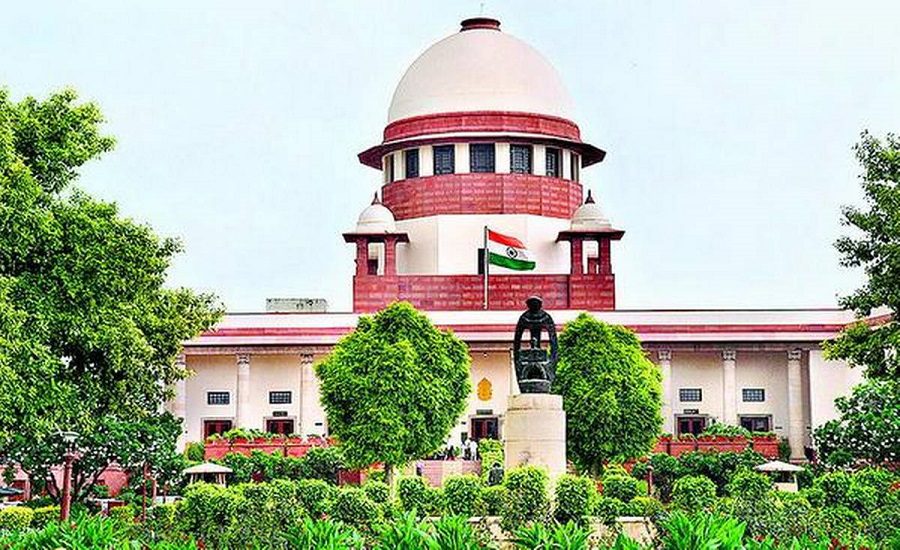
New Delhi: The issue of Minimum Support Price (MSP) fixation has reached the Supreme Court, bringing fresh attention to farmers’ demands and agricultural policy.
In a significant development, the apex court has sought a response from the Centre regarding a plea challenging the current mechanism of MSP fixation.
This move could have major implications for farmers across India, especially at a time when debates over fair crop pricing continue to intensify.
Details of MSP fixation Case
A petition has been filed in the Supreme Court raising concerns about how MSP is currently decided in India.
The plea questions whether the method used by the government ensures fair pricing for farmers. It also highlights issues related to transparency and the lack of a legal guarantee for MSP.
The court has now issued a notice to the central government, asking it to respond to the concerns raised in the petition.
What is MSP and Why It Matters?
Minimum Support Price (MSP) is the price at which the government buys crops from farmers to protect them from market fluctuations.
MSP acts as a safety net, ensuring that farmers receive a minimum income for their produce even if market prices fall.
However, many farmers and experts argue that:
- MSP is not legally guaranteed
- Not all farmers benefit from MSP procurement
- The calculation formula may not reflect the actual cost of production
MSP fixation Case: Key Issues Raised in the Plea
The petition has raised several important concerns:
1. Lack of Legal Guarantee
Farmers are not legally entitled to MSP, meaning they cannot demand it as a right.
2. Transparency in Pricing
The process of fixing MSP is not fully transparent, leading to doubts about fairness.
3. Cost Calculation Concerns
There are allegations that MSP does not fully cover the comprehensive cost of farming, including labor and land costs.
Supreme Court’s Stand on MSP fixation Case
The Supreme Court has not given any final ruling yet.
At this stage, it has only:
- Taken note of the plea
- Asked the Centre to file its response
This indicates that the court is willing to examine the issue seriously before making any decision.
Why This Development is Important
This case is crucial for several reasons:
- It could influence future agricultural policies
- It may bring more transparency in MSP calculation
- It could strengthen farmers’ rights if legal backing is considered
The outcome may also impact ongoing discussions around farm reforms and farmer welfare.
Government’s Likely Role
The Centre is expected to present its stance on:
- How MSP is currently calculated
- Whether reforms are needed
- The feasibility of making MSP legally binding
The government has earlier maintained that MSP is announced based on recommendations from expert bodies and existing frameworks.
What Happens Next?
The case will proceed after the Centre submits its response.
The Supreme Court may:
- Hear detailed arguments from both sides
- Examine existing policies and data
- Decide whether any changes or directions are needed
This could take time, but the issue is expected to remain in focus.
Read also: Madhya Pradesh Launches Bhavantar Yojana Registration to Support Soybean Farmers Amid Falling Prices