20 November 2026
ADVERTISEMENT
ADVERTISEMENT

What Is the Nagpur Ammunition Facility and Why Is It Crucial for India’s Defence Strategy?

Indian Defence Minister inaugurated the Nagpur Ammo Plant, a state-of-the-art medium calibre ammunition facility to boost self-reliance, expand private sector participation, and strengthen defence manufacturing and exports.
Nagpur Ammunition Facility
Indian Masterminds Stories

New Delhi: India’s Defence Minister Rajnath Singh, inaugurated a new medium calibre ammunition manufacturing facility in Nagpur as part of the government’s larger push for self-reliance in defence production. 

Details of Nagpur Ammunition Facility

On January 19, 2026, the Defence Minister inaugurated the Medium Calibre Ammunition Manufacturing Facility at Solar Defence & Aerospace Limited in Nagpur, Maharashtra, a fully automated plant that will produce 30mm ammunition for the Indian Army and Navy.

Read also: Made in India, Trusted Worldwide: Defence Minister Flags Off First Export Batch of Guided Pinaka Rockets

The new facility is designed to help meet critical ammunition requirements for air defence systems and naval guns, significantly strengthening India’s domestic supply chain. Previously, the country relied heavily on imports for such ammunition.

Rajnath Singh described the plant’s launch as a major step toward self-reliance (Aatmanirbhar Bharat) in defense production, saying that India aims to become a global hub for ammunition manufacturing.

Private Sector Steering Defence Growth

The announcement reiterated the government’s push to increase private sector participation in defence production. Singh highlighted that India’s goal is to reach more than 50% private sector involvement in future defence manufacturing initiatives.

In recent years, private companies like Solar Defence & Aerospace have become key partners in manufacturing critical defence equipment previously sourced from government run units or abroad. This partnership strengthens domestic capability, fosters innovation, and unlocks export potential.

Export Milestone: Guided Pinaka Rockets to Armenia

During his visit to Nagpur, Defence Minister Singh also flagged off the first consignment of guided Pinaka rockets for export to Armenia.

These guided rockets, developed as part of India’s long-range artillery systems, reflect the growing strength of indigenous military technology. The export deal underscores India’s expanding footprint in global defence markets.

What is the Importance of Nagpur Ammunition Facility

Singh recalled past periods when a shortage of ammunition affected military planning and preparedness, stressing that domestic production is essential for future readiness.

The new plant, he said, will help ensure that Indian forces have reliable access to ammunition, reduce dependency on imports, and enhance defence preparedness across multiple theatres.

Advancing Self-Reliance: A Long Term Mission

India’s push for self-reliance in defence manufacturing has already seen notable gains. 

Domestic annual defence production has surged from around ₹46,000 crore in 2014 to approximately ₹1.51 lakh crore today, while defence exports jumped from under ₹1,000 crore to an estimated ₹24,000 crore.

Singh praised the public-private partnership model as one of India’s strengths, and reiterated government support for research, development, and innovation in defence technologies.

Beyond Ammunition: Tech Innovation & Future Defence Capabilities

The Nagpur facility also signals a broader shift toward technological upgrade and innovation. Singh noted private sector contributions such as the Nagastra drones and the Bhargavastra counter-drone system, which played a role in recent counter-terror operations.

These developments highlight that India is not only producing ammunition but also pushing forward in advanced defence technologies involving drones, electronics, and guided systems.

Read also: Explained: Indian Army’s Zero-Tolerance Framework for Chinese Components in Military Drones and Its Strategic Impact


Indian Masterminds Stories
Join our WhatsApp Channel
ADVERTISEMENT
ADVERTISEMENT
Related Stories
ADVERTISEMENT
ADVERTISEMENT
NEWS
AI Adoption Among India's MSMEs
Microsoft, NITI Aayog's Atal Innovation Mission Join Hands to Boost AI Adoption Among India's MSMEs
Indian Navy DSC A21
Make in India Milestone: Indian Navy Receives Indigenous DSC A21 to Boost Diving and Underwater Operations
NCL
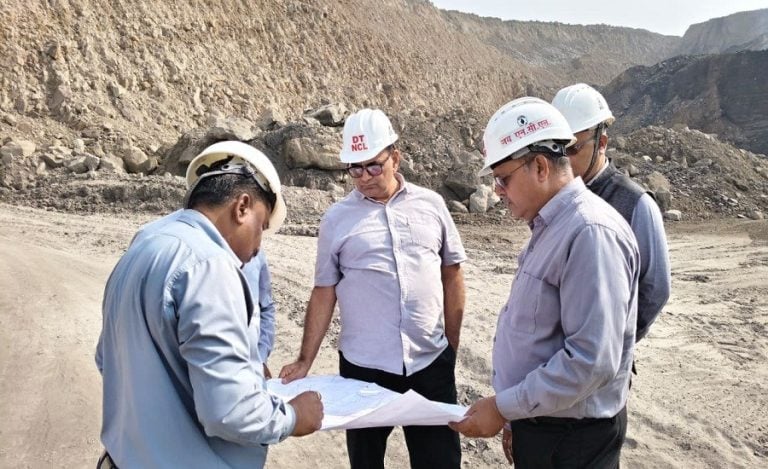
NCL Director Ashutosh Dwivedi Inspects Amlohri Project, Reviews Mining and Coal Evacuation Operations
odisha-police 1
Odisha DGP Race Heats Up: Vinaytosh Mishra to Retire on Nov 30; Sanjeeb Panda, Sudhanshu Sarangi Among Front-Runners
Haryana gov resized
Haryana Govt Transfers 3 IAS, 1 HCS Officer; A Mona Sreenivas Gets Additional Charge of Rohtak
MHA Logo
MHA Replaces 2003 DANICS Rules; Fixes 476 Posts, Introduces 50:50 Entry Grade Recruitment
Madhya Pradesh DGP
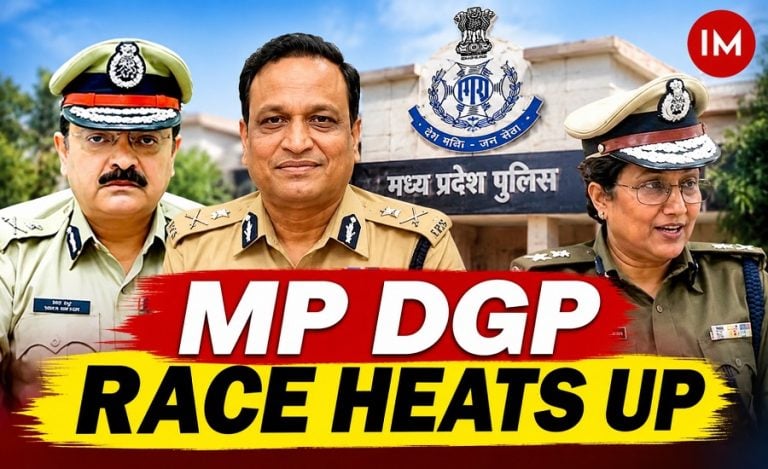
Madhya Pradesh DGP Race Heats Up: UPSC Recommends 3 IPS Officers, CM Mohan Yadav to Make Final Call
Pushkar Singh Dhami Meets PM Modi
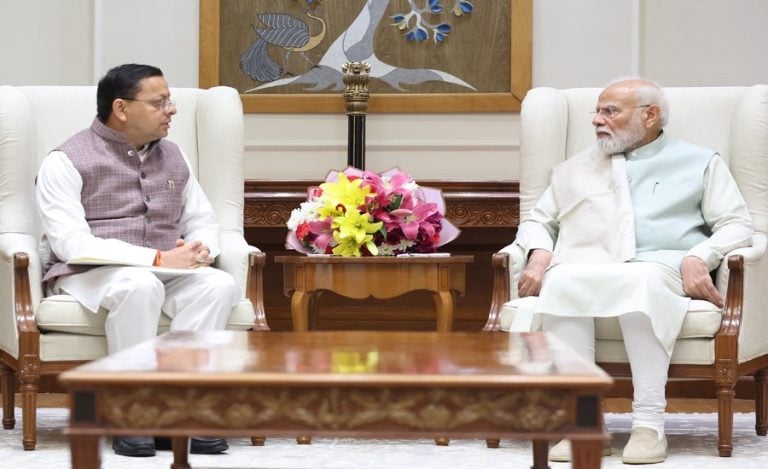
Uttarakhand CM Pushkar Singh Dhami Meets PM Modi, Seeks Support for Kumbh-2027 and Major Infrastructure Projects
ADVERTISEMENT
ADVERTISEMENT
Videos
Five years after Kargil, India sent its cricketing heroes to Pakistan where terrorism posed a deadly threat. The man guarding them, former Special Director of Intelligence Bureau, Mr. Yashovardhan Azad, reveals what all went behind the scenes during that crucial tour. 
Trust No One, Said His Instinct in Pakistan
Gajendra Singh Shekhawat
How India Plans to Boost Tourism, Create Jobs and Ease Overcrowding : Gajendra Singh Shekhawat on the Road to 2047
Dr Saket Badola IFS
Beyond Tigers and Safaris: How Corbett Literature Festival Wants to Change the Conservation Conversation
ADVERTISEMENT
UPSC Stories
Mayank Gurjar
He Lost His Father in Class 12, Then Cleared UPSC in One Attempt to Become an IPS Officer
After losing his father in Class 12, Mayank Gurjar held on to his dream of public service, graduated...
Gautam UPSC
He Studied at 4 AM in a 10×10 Mumbai Slum Room; Today, Gautam Padibhar is an Indian Forest Service Officer
Meet IFS officer Gautam Padhibhar, a 2023-batch Chhattisgarh cadre officer who rose from financial hardship...
Aniket Sagar ICoAS
No Coaching, Full-Time Job and Two Attempts: How Aniket Sagar Cleared ICoAS
Aniket Sagar, a chartered accountant from Bundelkhand, cleared UPSC ICoAS 2025 after working at PwC,...
CSR NEWS
mdl
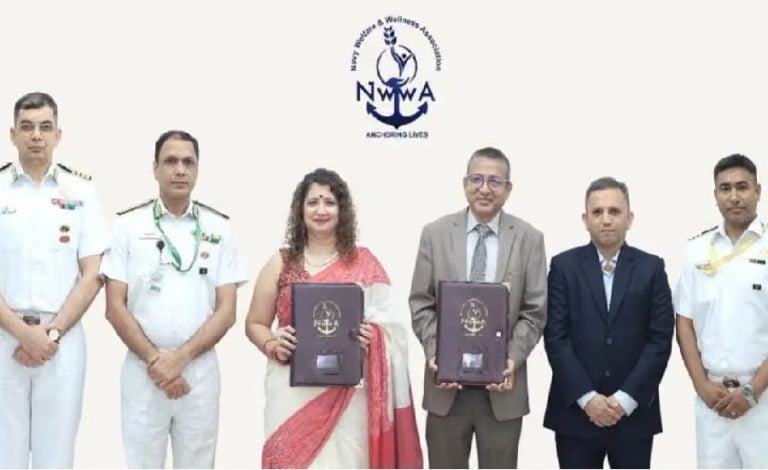
MDL Signs CSR MoUs with NWWA to Support Healthcare and Education for Naval Families
Partnership Covers Medical Equipment for Family Medical Centre, Educational Welfare of Children of Naval...
NBCC CSR Medical Equipment
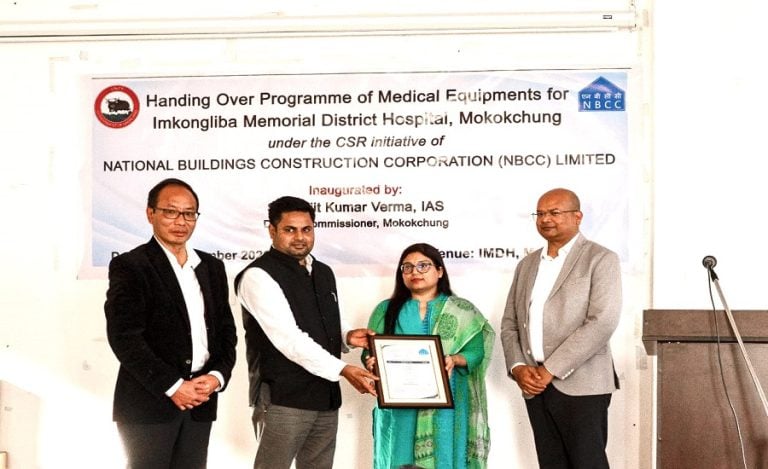
NBCC India Hands Over CSR-Sponsored Medical Equipment to Mokokchung District Hospital in Nagaland 
The CSR initiative aims to improve medical infrastructure at the district hospital, which serves patients...
Coal India CSR Programme
Coal India Organises CSR Programme to Align Mining Operations with Community Development 
Initiative Aims to Strengthen CSR Implementation in Coal-Bearing Regions and Improve Community Well-Being...
ADVERTISEMENT
ADVERTISEMENT
ADVERTISEMENT
Latest
AI Adoption Among India's MSMEs
Microsoft, NITI Aayog's Atal Innovation Mission Join Hands to Boost AI Adoption Among India's MSMEs
Indian Navy DSC A21
Make in India Milestone: Indian Navy Receives Indigenous DSC A21 to Boost Diving and Underwater Operations
ADVERTISEMENT
ADVERTISEMENT
ADVERTISEMENT
ADVERTISEMENT
ADVERTISEMENT
ADVERTISEMENT
ADVERTISEMENT
Videos
Five years after Kargil, India sent its cricketing heroes to Pakistan where terrorism posed a deadly threat. The man guarding them, former Special Director of Intelligence Bureau, Mr. Yashovardhan Azad, reveals what all went behind the scenes during that crucial tour. 
Gajendra Singh Shekhawat
Dr Saket Badola IFS
ADVERTISEMENT
ADVERTISEMENT