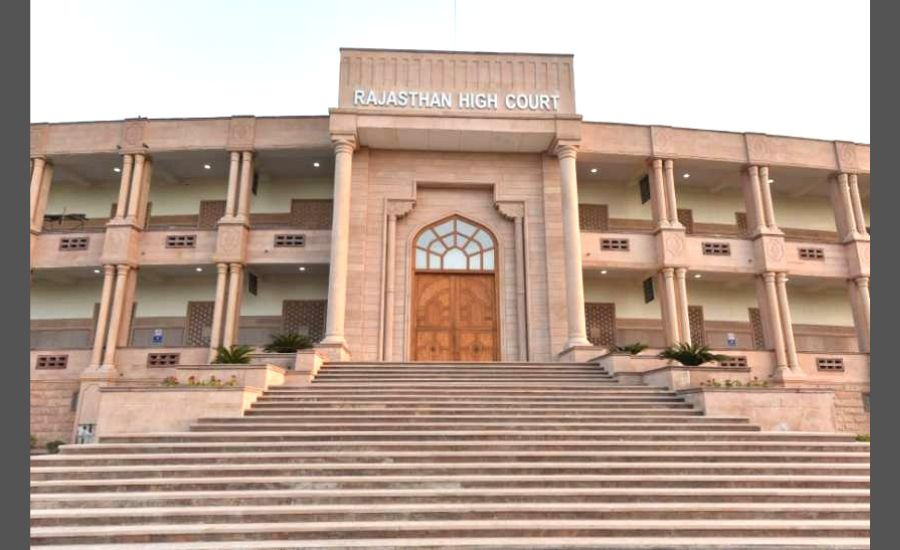
Jaipur: The Rajasthan High Court building safety issue has become a major concern after the court itself raised serious questions about the structural condition of its principal seat in Jodhpur. The court has taken suo motu cognisance after expert assessments warned that the central dome of the building may be at risk of collapse. The development has triggered urgent safety measures and renewed scrutiny of the building’s construction and maintenance.
Details of Jodhpur Premises Safety Trial Case
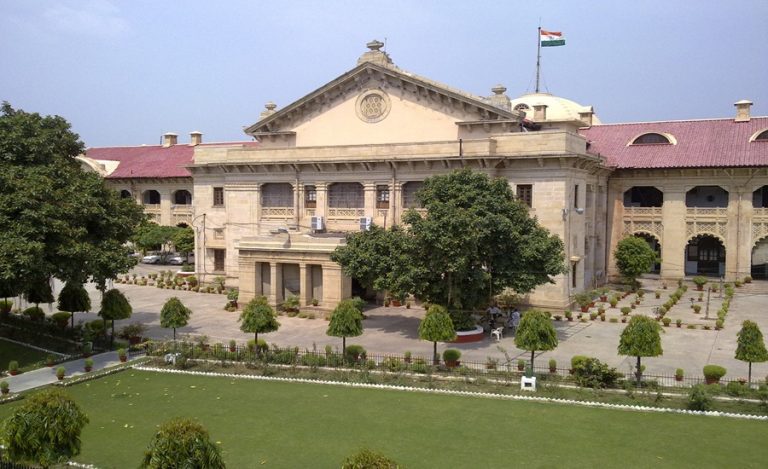
The Rajasthan High Court has expressed concern about the condition of its own building in Jodhpur. According to court records, the 21-metre-high central dome has been identified as a potential safety risk based on findings from an ongoing structural assessment conducted by IIT Bombay. The court noted that the threat is serious enough to require immediate action.
Read also: Rajasthan High Court Forms Five-Judge Panel to Examine Saturday Working Days Amid Bar Opposition
The building was inaugurated in December 2019 and serves as the principal seat of the Rajasthan High Court. Despite being relatively new, it has experienced several structural problems over the past few years.
Jodhpur Premises Safety Trial: What Problems Have Been Found In The Building
Court documents and expert reports highlight a series of incidents involving roof collapses, falling ceilings, water seepage and damaged plaster. Several courtrooms, chambers and corridors have reportedly witnessed structural failures since 2023. A portion of the central dome also suffered damage, while other parts of the building showed signs of deterioration.
Water Seepage And Corrosion
Experts found widespread water seepage across different sections of the complex. Reports also pointed to corrosion of steel reinforcement, defective waterproofing systems, drainage issues and cracks in structural elements. These issues are believed to have weakened parts of the building over time.
Questions Over Concrete Quality
The IIT Bombay assessment reportedly found active corrosion in several structural members. The report also indicated that around 40 percent of inspected areas were vulnerable to concrete spalling, while tests suggested doubtful to poor concrete quality in many locations.
Jodhpur Premises Safety Trial: Why Did The Court Take Suo Motu Cognisance
The court observed that judges, lawyers, staff members and visitors use the premises daily. Given the findings about the central dome and other structural defects, the court decided that the matter involved public safety and institutional importance. It therefore registered the issue as a suo motu public interest matter.
Fear Of A Major Accident
The court noted that the risk was no longer a distant possibility. It warned that a structural failure could endanger lives and disrupt the functioning of one of the state’s most important constitutional institutions.
Jodhpur Premises Safety Trial: What Safety Measures Have Been Ordered
The court has directed authorities to limit access to areas considered unsafe. The central dome area and other vulnerable sections are being closely monitored to reduce risks.
Round-The-Clock Monitoring
A dedicated control room has been ordered for continuous surveillance of the building. Authorities have also been asked to conduct regular inspections, maintain safety protocols and prepare emergency evacuation plans.
Accountability And Investigation
The court has sought details of officials, engineers and consultants associated with the building’s design, construction and maintenance. Senior government officials and representatives from IIT Bombay and IIT Jodhpur have also been asked to assist in the proceedings.
What Experts Found During Structural Audits
An expert committee from IIT Jodhpur earlier inspected the building and highlighted corrosion, damaged reinforcement, waterproofing issues and other structural concerns. The committee recommended detailed structural audits and corrective measures.
IIT Bombay Assessment
IIT Bombay’s ongoing audit identified deterioration caused by corrosion, carbonation and chloride contamination. The assessment suggested that immediate engineering intervention is necessary to prevent further damage and improve safety.