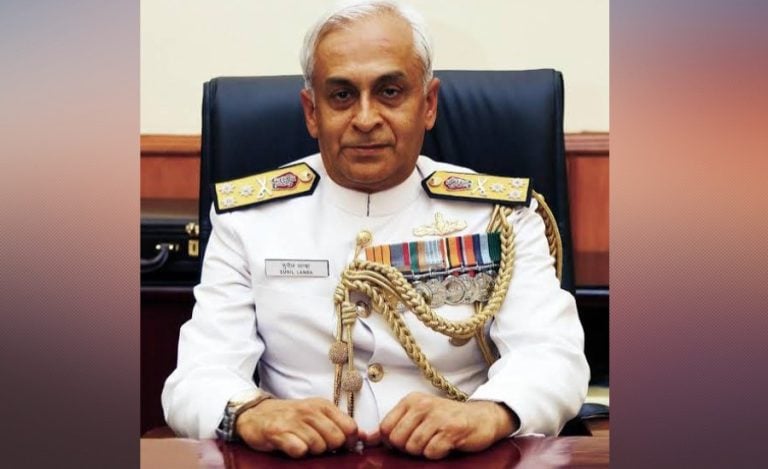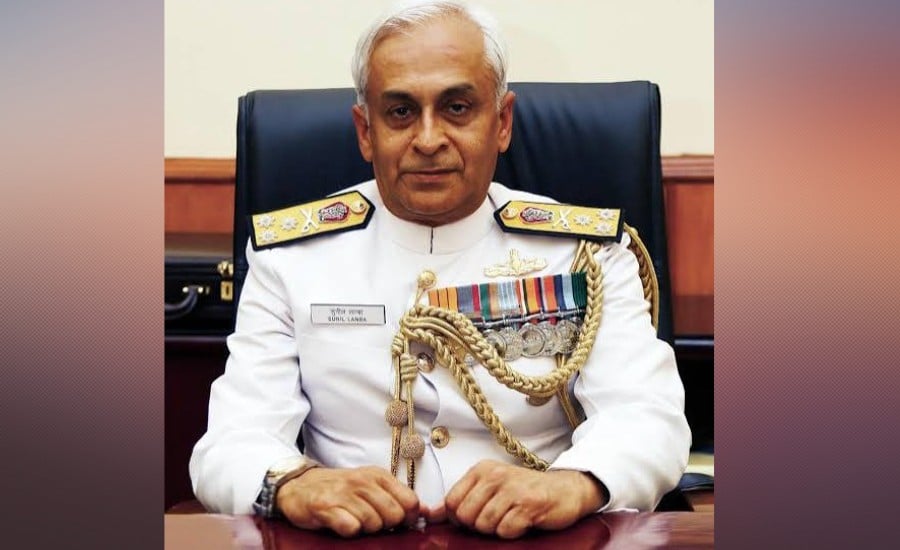
New Delhi: India’s military is moving towards a major organisational reform through Integrated Theatre Commands, which aim to bring the Army, Navy and Air Force under joint operational leadership. Former Navy Chief Admiral Sunil Lanba (retd) has reportedly supported this move, arguing that India’s armed forces cannot depend on separate service commands to fight modern warfare. He has also identified the Indian Air Force’s concerns over sharing its assets as a major challenge to the reform.
Sunil Lanba Calls For Integrated Theatre Commands
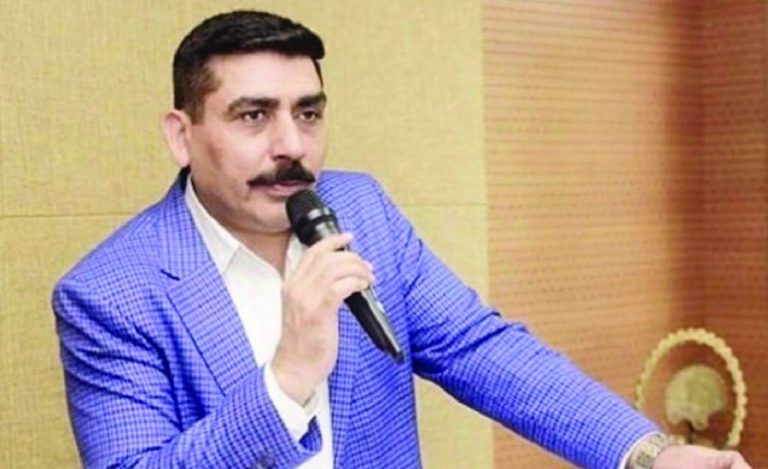
Admiral Sunil Lanba, who served as the Indian Navy Chief from 2016 to 2019, has supported the creation of integrated theatre commands for India’s armed forces.
Read also: CDS Raja Subramani Theatre Command Plan Explained: Key Changes, Three Commands, and Next Steps
According to his reported remarks in a Defence HQ podcast, the existing structure of 17 separate commands is not suitable for the changing nature of modern warfare.
He believes the Army, Navy and Air Force must work together under a common operational structure instead of planning military operations separately.
Lanba has also highlighted the growing importance of artificial intelligence (AI), which is making military decision-making faster. He believes separate service-based operations could create difficulties in responding to future security challenges.
Why Does India Need Integrated Theatre Commands
Integrated Theatre Commands are proposed military structures in which the Army, Navy and Air Force work under a single joint commander in a defined geographical area or operational theatre.
The main objective is to improve coordination, reduce duplication and ensure better use of military resources. Under this system, forces from all three services can plan and execute operations together.
The Ministry of Defence has already identified jointness and integration as important parts of military modernisation.
In an official update, the government explained that Integrated Theatre Commands would bring together the capabilities of the three services based on geography and operational requirements.
IAF Reluctance Remains A Major Challenge
One of the major concerns surrounding theatre commands is how the Indian Air Force’s assets will be distributed and controlled.
Lanba reportedly identified the IAF’s hesitation to divide its aircraft and other resources among joint commands as a major obstacle to the proposed reform.
The Air Force has important responsibilities across multiple operational areas. Its aircraft may need to move quickly between different regions depending on the security situation.
To address these concerns, Lanba suggested that strategic air assets should remain under central IAF control. However, tactical platforms, including attack helicopters, could be placed under the operational control of the Army where required.
This approach could help maintain the Air Force’s strategic responsibilities while improving coordination between the three services.
What Is The Government’s Position On Theatre Commands
The Indian government has already taken several steps to improve coordination between the armed forces.
The Department of Military Affairs (DMA) was established in 2020 under the Chief of Defence Staff (CDS). One of its responsibilities is to facilitate the restructuring of military commands through joint and theatre commands.
In May 2025, the Ministry of Defence notified rules under the Inter-Services Organisations (Command, Control and Discipline) Act, 2023.
These rules strengthened the command and administrative powers of commanders heading joint military organisations.
According to the Ministry of Defence, these changes are aimed at improving coordination, command efficiency and jointness among the three services.
A 2025-26 Parliamentary Standing Committee on Defence report also stated that discussions on reorganising the armed forces into Integrated Theatre Commands were continuing.
The report noted that broad consensus had been achieved among stakeholders, while certain important issues were still being discussed.
Government Plans To Improve Military Integration
The proposed theatre command structure is part of India’s wider military modernisation programme. The government has identified better coordination, efficient resource utilisation and improved operational preparedness as important goals.
On November 12, 2026, Defence Minister Rajnath Singh also emphasised the importance of jointness and integration while addressing the Air Force Commanders’ Conference.
He highlighted the need for the armed forces to improve coordination between their systems and adapt to changing forms of warfare..These developments show that military integration remains an important part of India’s defence reform efforts.
Lanba Also Raises Concerns Over India’s Submarine Fleet
Apart from theatre commands, Admiral Sunil Lanba reportedly expressed concerns about delays in India’s submarine procurement programmes.
He referred to the original 1999 plan to acquire 24 conventional submarines over 30 years. The plan was later revised to include 18 conventional submarines and six nuclear-powered attack submarines (SSNs).
Lanba reportedly criticised delays in the Project 75I submarine programme and raised questions about the decision to involve a private shipyard.
He also stressed that India needs both conventional and nuclear-powered submarines to strengthen its maritime capabilities.
Read also: Unmanned, Unstoppable: How India Is Reshaping Modern Warfare With Hi Tech Drones
FAQs
Former Navy Chief Admiral Sunil Lanba supports theatre commands because he believes joint planning and operations are essential for fighting modern wars effectively.
Integrated Theatre Commands are proposed military formations that bring the Army, Navy and Air Force under a single joint commander for operations in a specific geographical or operational area.
The main concern involves the control and distribution of air assets. The Air Force needs flexibility to deploy its aircraft across different operational areas, while theatre commands require better integration of military resources.