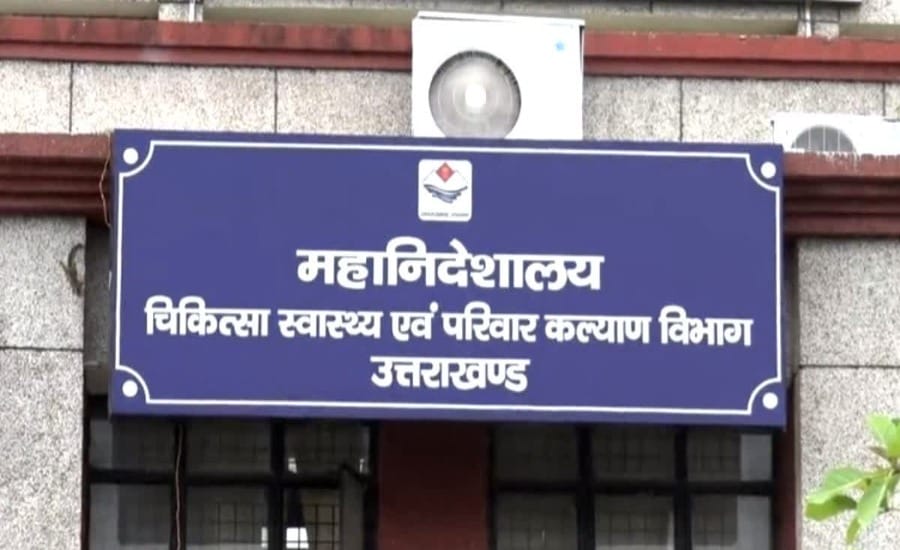
Dehradun: Uttarakhand has taken a major step towards strengthening its healthcare supply system with the Governor’s approval for the formation of the Uttarakhand Medical Supplies Corporation (UMSC). The corporation will centralise the procurement of medicines, surgical materials, implants and modern medical equipment for government health facilities across the state.
The state Cabinet had approved the proposal on August 25, 2026. Following the Governor’s approval on October 6, the government has issued the official order for establishing the corporation under the Companies Act, 2013.
The move is aimed at reducing delays in procurement, improving transparency and ensuring that essential medical supplies reach hospitals and health centres more efficiently.
Centralised Procurement to Replace Lengthy Hospital-Level Processes
Under the new system, government hospitals will no longer need to independently go through lengthy tender processes for different medicines and medical equipment.
The Central Medical Store Depot (CMSD) will be merged into the corporation, with its headquarters in Dehradun. The existing complex procurement committee system will also be discontinued, with purchases carried out under a dedicated procurement policy.
The government expects the centralised system to make procurement faster and more transparent while creating a more organised supply chain for healthcare institutions.
Read Also: From Parks to Bus Stands: Uttarakhand’s Cities Get a New Development Push
Bulk Purchases Could Reduce Costs
The UMSC will be fully funded by the Uttarakhand government. It will receive initial seed capital, while a service charge of up to 5% of the acquisition value has been provided to help the corporation become financially self-sustaining in the future.
The corporation will be able to make bulk purchases directly from manufacturers. This could help reduce the overall cost of medicines and equipment by allowing the state to negotiate purchases at scale.
For the health system, the change could mean better use of public funds while improving the availability of essential supplies.
Digital Inventory to Track Medicines Across Hospitals
One of the key features planned under the new corporation is an integrated digital inventory system.
The system is expected to provide better visibility of medicine stocks across government hospitals. If medicines at one hospital approach their expiry date while another facility has greater demand, the stock can be transferred in time.
This could reduce wastage and prevent financial losses caused by medicines and medical supplies expiring unused.
The system is particularly important for a state such as Uttarakhand, where healthcare facilities are spread across difficult mountainous terrain and ensuring regular supplies can be challenging.
Focus on Remote Mountain Health Centres
The state government says the new corporation will help ensure uninterrupted availability of quality medicines, surgical materials, implants and modern medical equipment, from primary health centres in remote mountain areas to major hospitals.
Health Minister Subodh Uniyal said the decision would strengthen the state’s healthcare delivery system by ensuring better availability of essential medical supplies.
For people living in remote areas, timely availability of medicines and medical equipment can be particularly important because delays in supply can directly affect treatment.
A central procurement mechanism could also reduce differences in availability between facilities by allowing the health department to monitor demand and distribution more systematically.
Professional Structure for the Corporation
The corporation will be headed by the Chief Secretary as its Chairperson.
Its board will include the Finance Secretary, Planning Secretary, Director General of Medical Health, Director of Medical Education, Managing Director of UMSC and two independent directors nominated by the government.
The government has also approved 15 positions for running the corporation. These include:
- Managing Director, an IAS officer
- General Manager, a PCS officer
- Director Finance, ex-officio from NHM
- Two procurement officers
- Two procurement experts
- One biomedical engineer
- Chief Technical Officer
- Two Assistant Chief Technical Officers
- Senior Drug Inspector
- Company Secretary
- Accountant
The structure brings together administrative, financial, procurement, technical and pharmaceutical expertise, reflecting the corporation’s role as a specialised procurement organisation.
Less Paperwork for Hospital Administrators
The reform could also change the day-to-day responsibilities of hospital administrators.
At present, procurement-related tendering and paperwork can consume significant time for hospital management. Under the centralised system, procurement and quality-related responsibilities will shift to the UMSC.
This could allow Chief Medical Superintendents (CMSs) and Medical Superintendents (MSs) to spend more time on hospital administration and patient-care-related responsibilities instead of managing repeated procurement processes.
The centralised mechanism is also expected to reduce concerns around delays or quality issues arising from local-level procurement.
A More Integrated Healthcare Supply Chain
The formation of the Uttarakhand Medical Supplies Corporation represents a shift from fragmented procurement towards a centralised and technology-driven healthcare supply chain.
The success of the model, however, will depend on effective implementation, timely procurement, reliable digital inventory management and efficient distribution to facilities across the state.
For Uttarakhand, where geographical challenges can make last-mile healthcare delivery difficult, a more coordinated supply system could play an important role in keeping medicines and medical equipment available where they are needed most.
The corporation therefore goes beyond an administrative restructuring. If implemented effectively, it could help the state reduce procurement delays and wastage while making public healthcare supply systems more transparent, cost-efficient and responsive.
Read Also: Uttarakhand CM Reiterates Development Push, Says Champawat to Become Model District