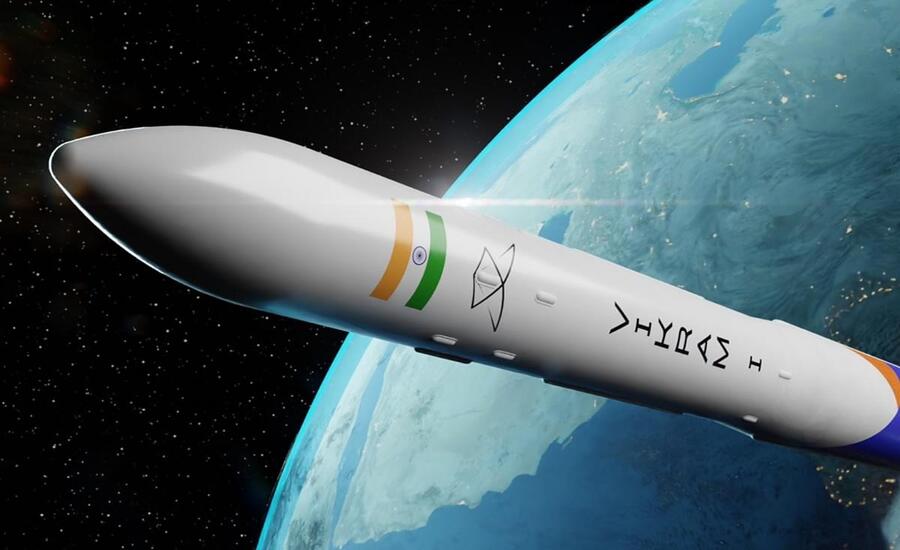
New Delhi: Vikram-1 rocket has achieved a major milestone after successfully clearing critical vibration and system tests, marking a significant step in India’s private space sector development. The achievement highlights the growing strength of India’s commercial space ecosystem and its push toward self-reliance in advanced launch technologies.
Developed with high-precision engineering, Vikram-1 is now closer to its first orbital mission, reinforcing India’s position in the global small satellite launch market.
What is Vikram-1 Rocket
Vikram-1 is a next-generation small satellite launch vehicle designed to deliver payloads into low Earth orbit efficiently and cost-effectively.
It represents a shift from government-led missions to private sector innovation in India’s space industry. The rocket is designed with advanced materials and integrated systems to ensure reliability, speed, and precision during launch operations.
Key Milestone: Critical Vibration & System Tests Cleared
The latest breakthrough comes from successful vibration and system-level testing, which is essential before any rocket launch.
These tests ensure that:
- The rocket can handle extreme launch stress
- Internal systems remain stable during flight
- Navigation and control systems work accurately
The inter-stage sections—which connect different rocket stages—play a crucial role. They house:
- Flight computers
- Navigation sensors
- Power systems
- Stage separation mechanisms
All these systems must work with perfect coordination under high pressure conditions.
Engineering Excellence Inside the Vikram-1 Rocket
Unlike simple connectors, the inter-stage structures are made of advanced carbon composite materials.
These materials are:
- Lightweight yet extremely strong
- Resistant to high vibration and temperature
- Designed for precision performance
This ensures that the rocket maintains structural integrity and accuracy throughout the mission.
Why This Test is Crucial Before Launch
Clearing vibration tests is a critical step in rocket qualification.
Without passing these tests:
- The rocket may fail during liftoff
- Payload safety cannot be guaranteed
- Mission success becomes uncertain
This milestone confirms that Vikram-1 is technically ready for the next phase of development and eventual launch.
Boost for India’s Private Space Sector
The success of Vikram-1 highlights India’s rapid growth in the private space sector.
Key impacts include:
- Encouraging startups in space technology
- Reducing dependence on foreign launch services
- Strengthening India’s position in the global satellite launch market
This aligns with India’s broader goal of becoming a global hub for affordable space launches.
Global Context: Rising Demand for Small Satellite Launches
Worldwide, demand for small satellite launches is increasing due to:
- Communication satellites
- Earth observation missions
- Defense and surveillance needs
India’s Vikram-1 aims to tap into this growing market by offering cost-effective and reliable launch solutions.
What’s Next for Vikram-1 Rocket
With major system tests completed, the next steps include:
- Final integration checks
- Flight readiness validation
- First orbital launch attempt
If successful, Vikram-1 could become a game-changer for India’s commercial space industry.
Read also: This Indian Rocket Can Launch in Just 24 Hours: Inside the Agasthya-1 Space Breakthrough