Kolkata: West Bengal has allocated around ₹500 crore for tourism development in 2026–27, with the state government planning a broad infrastructure and connectivity push to attract more visitors and strengthen tourism across the state.
The investment will focus on improving tourist facilities, upgrading accommodation, strengthening connectivity to key destinations and exploring new tourism opportunities. The state also plans to reinforce the West Bengal Tourism Development Corporation (WBTDC) by increasing manpower and improving its ability to manage tourism infrastructure.
The move comes as the state looks to make its tourism sector more competitive, particularly in North Bengal, where West Bengal faces competition from neighbouring destinations such as Sikkim.
Tourist Lodges and Guest Houses to Get Upgrade
A major part of the proposed investment will go towards improving tourist accommodation across the state.
The government plans to renovate and upgrade tourist lodges and guest houses so that visitors have better facilities while travelling to different destinations. Improving these properties is also expected to strengthen the tourism infrastructure available outside major urban centres.
Better accommodation can play an important role in encouraging tourists to stay longer and explore multiple destinations rather than limiting their trips to a few established locations.
Read Also: Sikkim, West Bengal Step Up Cooperation in Animal Breeding and Livestock Development
Focus on Connectivity to Tourist Destinations
The state government is also looking at better connectivity as a key part of its tourism strategy.
Several tourist destinations, particularly in North Bengal and other parts of the state, require stronger transport links and supporting infrastructure to handle growing visitor demand.
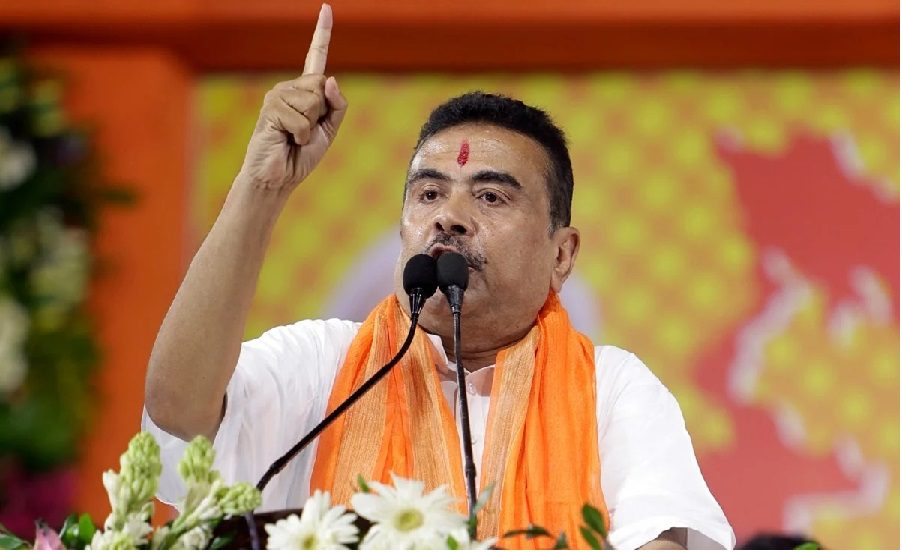
Chief Minister Suvendu Adhikari has stressed the need to upgrade tourism infrastructure and improve West Bengal’s ability to compete with neighbouring destinations. North Bengal is a particular area of focus because of its proximity to popular tourism destinations in Sikkim and the wider Himalayan region.
Improved connectivity could make it easier for tourists to access destinations while also supporting local businesses, transport operators, accommodation providers and other tourism-dependent livelihoods.
Hooghly Water Metro Under Consideration
The state is also exploring the use of central government funds for tourism-related projects.
One of the notable proposals under consideration is a water metro on the Hooghly River. The project could add a new dimension to tourism in the region while also improving river-based connectivity.
A water-based transport system could offer visitors another way to experience the Hooghly while connecting important locations along the river. It could potentially combine tourism with urban and regional transport needs.
The proposal reflects the state’s broader effort to diversify its tourism infrastructure beyond conventional road and land-based connectivity.
Boats Planned for Sundarbans and Ganga Sagar
West Bengal is also procuring at least 11 boats to support tourist movement towards important destinations, including the Sundarbans and Ganga Sagar.
The initiative is significant for destinations where waterways are an important part of travel. Better availability of boats can improve access for tourists and strengthen the supporting infrastructure around river and coastal tourism.
The Sundarbans, known for its mangrove ecosystem and wildlife, and Ganga Sagar, a major pilgrimage and tourism destination, attract visitors from different parts of the country.
Strengthening transport facilities to these locations could improve the overall visitor experience and create greater opportunities for local tourism-linked businesses.
Building a More Competitive Tourism Sector
The ₹500 crore allocation signals a broader effort to strengthen West Bengal’s tourism ecosystem rather than focusing only on individual attractions.
The proposed measures cover infrastructure, accommodation, connectivity, manpower and new forms of tourism. The state is also looking at central government funding to support larger tourism-related development projects.
For local communities, stronger tourism infrastructure can translate into greater demand for hotels, restaurants, transport services, guides, handicrafts and other visitor-oriented businesses.
With improved access and facilities, lesser-known destinations could also get an opportunity to attract more visitors.
Tourism Push Could Boost Local Economies
West Bengal has a diverse tourism base, ranging from the Himalayas and tea-growing areas of North Bengal to Kolkata, the Sundarbans, coastal destinations and pilgrimage centres.
The planned investment could help connect these destinations more effectively and encourage tourists to explore beyond the state’s most established attractions.
If the proposed infrastructure projects move ahead, the tourism push could support local employment and business activity while improving facilities for visitors.
The state’s focus on new destinations, river tourism and better connectivity also indicates an attempt to build a wider and more sustainable tourism network across West Bengal.
Read Also: West Bengal: Suvendu Adhikari Reviews Floods, Land Issues and GTA Functioning