How do you solve a wildlife crime when there are no eyewitnesses and the crime scene is deep inside a forest?
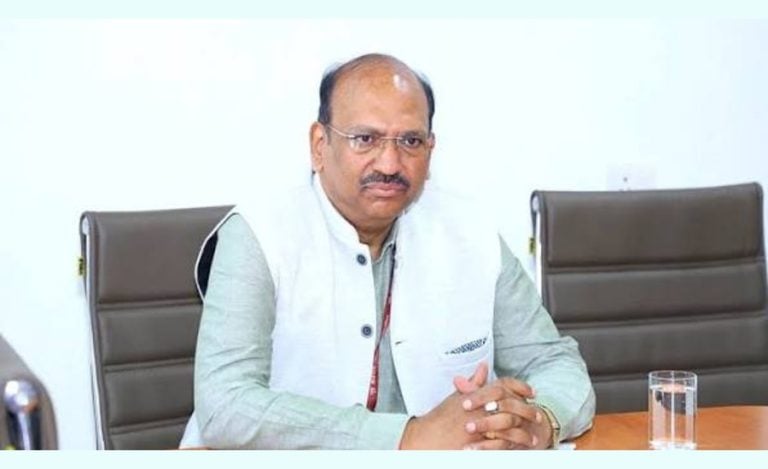
Meet Dr Keshav Kumar, 1986-batch Gujarat cadre IPS officer, who turned to forensic science to crack one of India’s most unusual wildlife crime investigations — the Gir Asiatic lion poaching case.
In this conversation with Indian Masterminds, Dr Kumar reveals how investigators tracked a group of suspected poachers, recovered freshly cut lion claws and then found the crucial forensic link: Asiatic lion blood on their clothes and beneath their fingernails.
The investigation eventually resulted in the conviction of 38 poachers in 2009.
Dr Kumar also explains:
Why Asiatic lions were being poached
How lion bones could be passed off as tiger bones
Why DNA fingerprinting became crucial
How he spent nearly 2.5 months inside the jungle investigating the case
Why he believes “forensic science is the science, but its application is an art”
How his forensic expertise led to his induction into the CBI
The creation of a dedicated forensic branch in the CBI
His role in major investigations including the Gyaneshwari train accident, Bhanwari Devi and Shehla Masood cases
How forensic thinking helped solve an earlier murder case involving a missing bullet
His work training police officers in wildlife crime investigation
Watch the full conversation to discover how blood, claws, forensic science and investigative thinking helped crack a case that initially appeared almost impossible to solve.