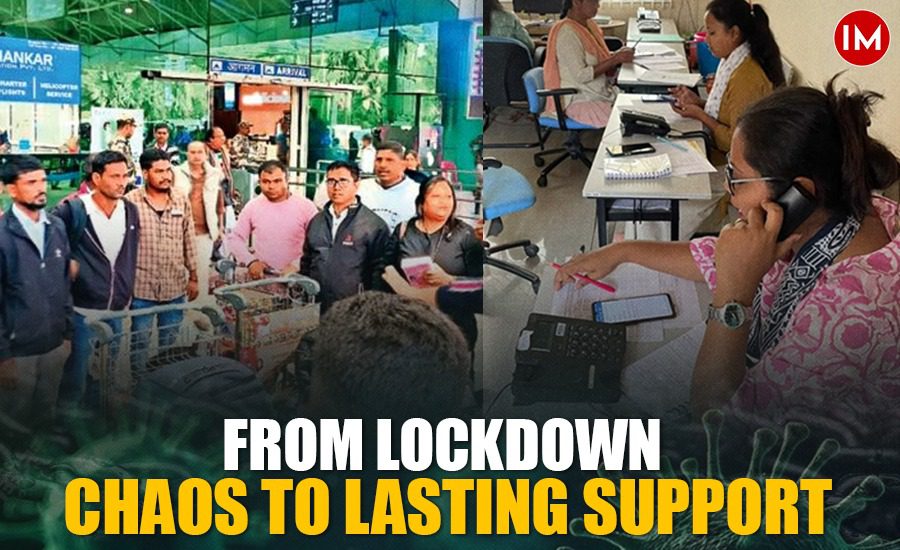
In the quiet hum of an office in Ranchi, a phone rings. It’s a call that could come from anywhere – a remote village in Jharkhand, a bustling city across India, or even, as recently, a distant country like Cameroon. Each call is a plea for help, a voice seeking a way back home or a fair day’s wage. These are the daily realities navigated by the State Migration Control Room (SMCR), a unique initiative born from the chaos of a global pandemic and now a steadfast advocate for Jharkhand’s vast migrant worker population.
THE STORM BREAKS
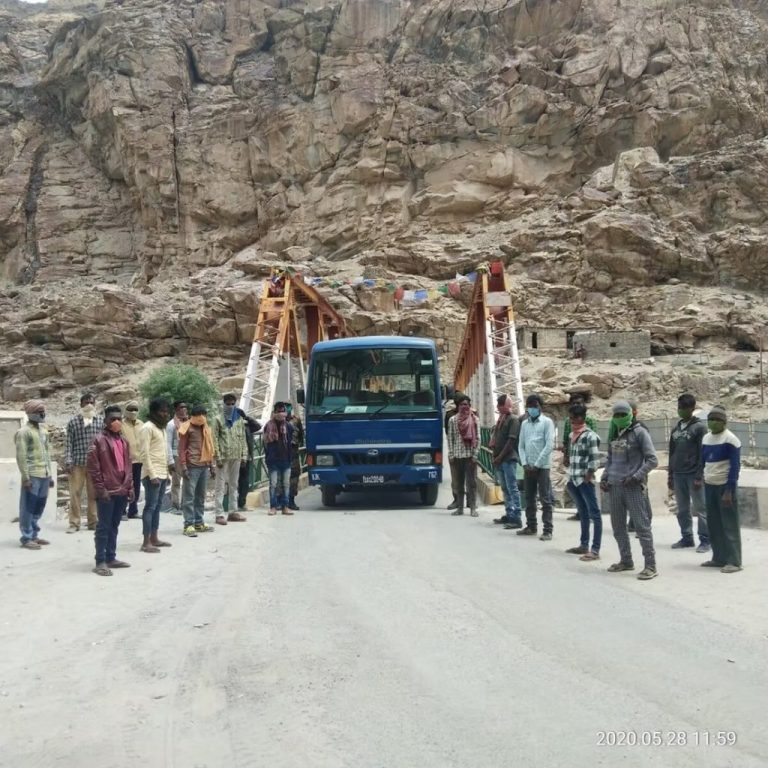
The spring of 2020 descended upon India with an almost eerie silence, as a nationwide lockdown brought economic life to a sudden halt. For millions of migrant workers, far from their homes and livelihoods, this silence was deafening. It was a crisis of monumental scale, forcing hordes to undertake desperate journeys back to their native towns and villages, often on foot, without proper means or support.
Jharkhand, a state with a significant migrant workforce, felt this impact acutely. Thousands of its citizens were stranded in cities across the country, desperate to return. In response to this unprecedented human challenge, the Department of Labour, Employment, Training and Skill Development, Government of Jharkhand, stepped forward.
What followed was a remarkable collaboration: the PHIA Foundation, alongside a vast network of civil society organizations and dedicated individuals, began working in concert with the government to ensure safe passage and support for thousands of returning migrants. This was more than just an emergency response; it was the genesis of a crucial partnership.
FROM EMERGENCY TO ENDURING SUPPORT
As the initial lockdown eased, the success of this collaborative effort paved the way for its institutionalization. What began as an urgent intervention transformed into the State Migration Control Room (SMCR), with many more organizations joining to lend their support. This Gov-CSO collaboration, truly one of a kind, allowed the SMCR to assume greater responsibility and diversify its functions far beyond crisis management.
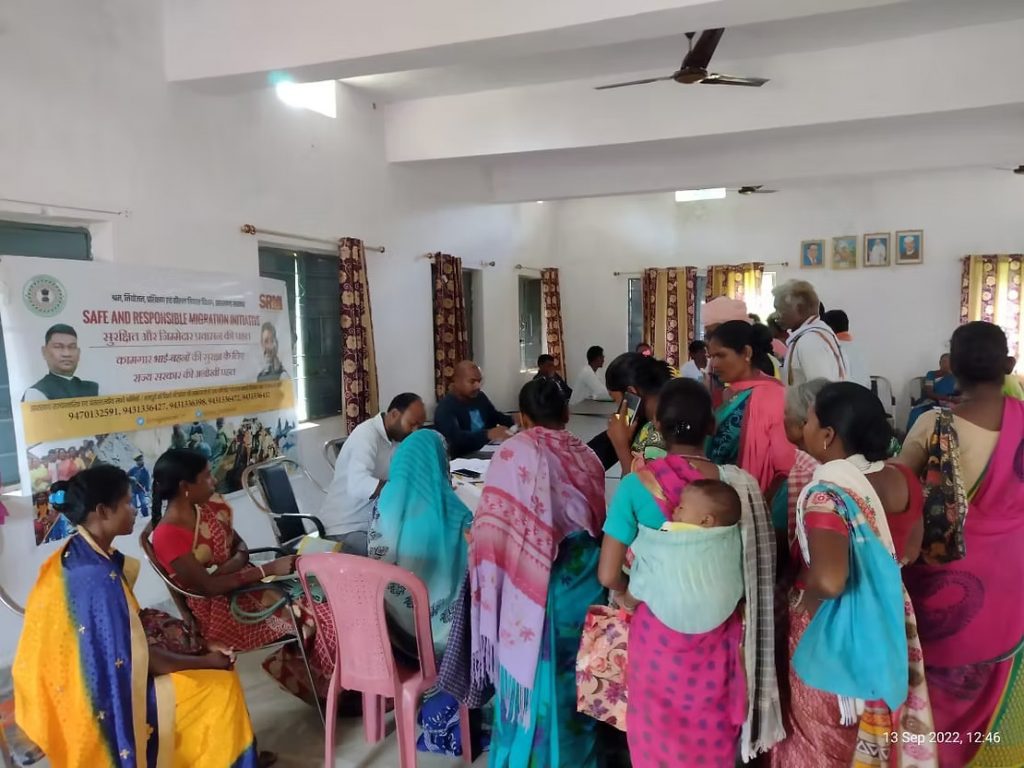
Today, the SMCR and its 24×7 helpline are the frontline for a myriad of migrant issues. They meticulously maintain databases of Jharkhand’s workers outside the state, ensure access to rightful entitlements, facilitate compensation for exploitation, and arrange repatriation for those in distress.
They assist migrants in obtaining proper identification, intervene in cases of human trafficking and exploitative labor, and even map skills to facilitate employment opportunities within Jharkhand, aiming to reduce the need for distress migration. This comprehensive approach is not just about managing crises; it’s about restoring dignity and ensuring a secure life for migrants.
A VISION FOR DIGNIFIED LIVES
The driving force behind the SMCR’s tireless work is a profound vision: to build a society where all migrants and workers are entitled to a secure, dignified life. This includes access to fair, decent, and safe employment through improved labor standards, proper wages, greater access to social security safety nets, and better working conditions, both at home and in destination states. This guiding principle shapes every action and every decision made within the control room.
A SAFETY NET FOR THE VULNERABLE
The impact of the SMCR is perhaps best understood through the stories it helps rewrite. In December, a desperate video surfaced from Cameroon, showing 47 Jharkhand migrants detailing months of unpaid wages, inadequate food, and threats from their employer. The SOS ignited an immediate response from the SMCR. Working closely with the Indian and Cameroon governments, they swiftly launched a complex rescue mission, successfully repatriating the workers in phases over several weeks.
This wasn’t an isolated incident. The SMCR team was at the forefront during the Balasore train tragedy, activating critical support channels for the many migrants feared dead or missing. When 13 workers found themselves trapped in the Uttarkashi tunnel collapse, the SMCR coordinated across departments and with the Uttarakhand Government to bring them safely home. Even during the Ukraine war, the control room tracked the movements of Jharkhandi students, ensuring their safe return to Delhi and then to their home state.
Between January 2022 and December 2023 alone, the SMCR resolved over 2,100 grievances. This staggering number includes 270 rescue cases, facilitating the return of 372 mortal remains, and addressing over 270 wage violations.
THE HUMAN CORE OF SUPPORT
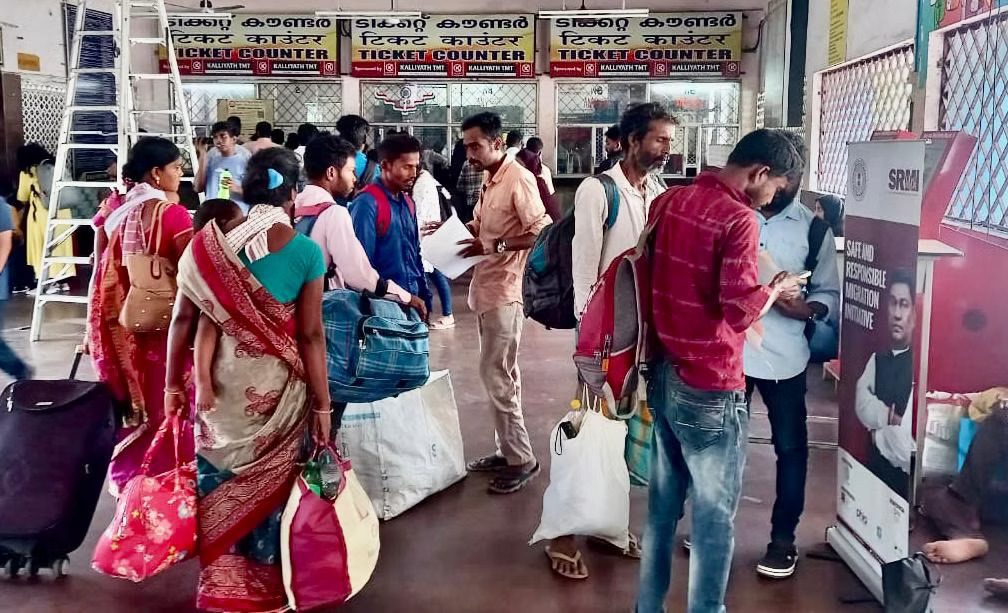
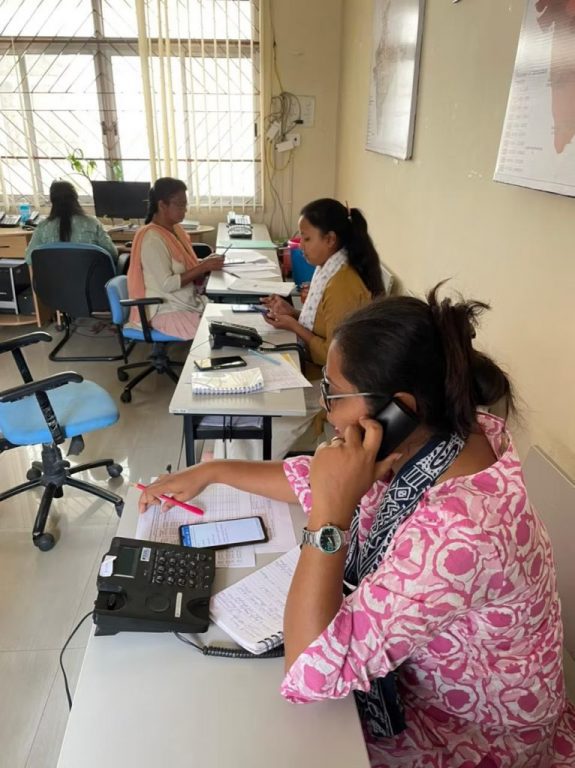
Housed within the Shram Bhawan, Labour Department in Ranchi, the SMCR is currently managed by a dedicated six-member team. This small group operates 11 helplines, providing not only immediate assistance but also vital counseling support and legal guidance to migrant workers and their families.
As one observer noted, the SMCR isn’t just a control room; it’s the emotional core of the state’s efforts for migrant well-being. It’s where the abstraction of policy turns painfully real, where a distressed voice finds a compassionate ear and a tangible solution.
FUTURE-PROOFING A CRUCIAL SERVICE
The COVID-19 pandemic, though a trying chapter, inadvertently laid the groundwork for an enduring system. The State Migration Control Room in Jharkhand stands proof of how an urgent humanitarian crisis can spur innovative solutions and foster powerful government-civil society collaboration. It demonstrates an effective model for managing not just emergencies but also the ongoing challenges faced by migrants, making the SMCR an invaluable resource, ready to face whatever the future holds for Jharkhand’s vital migrant workforce.