In Tapi, the forest does not end where the trees end.
Sometimes, it arrives at a dining table in the form of a steaming Nagli rotla. Sometimes, it takes the shape of a bamboo craft displayed in a rural marketplace. And sometimes, it follows a nature trail along the Ambika River, where a visitor’s weekend becomes a local family’s source of income.
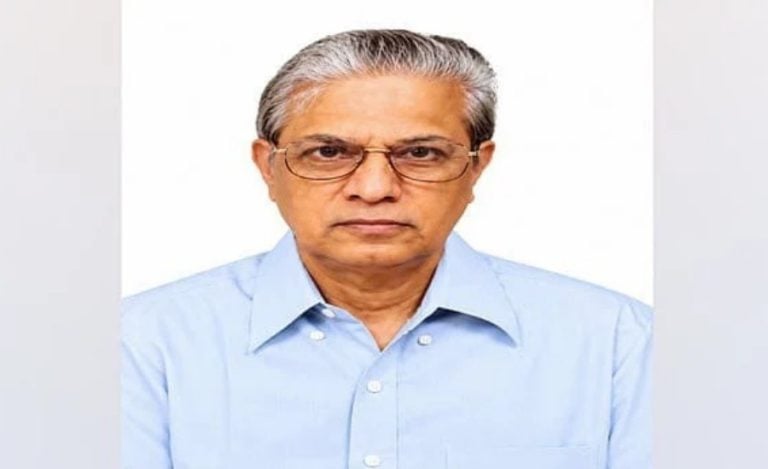
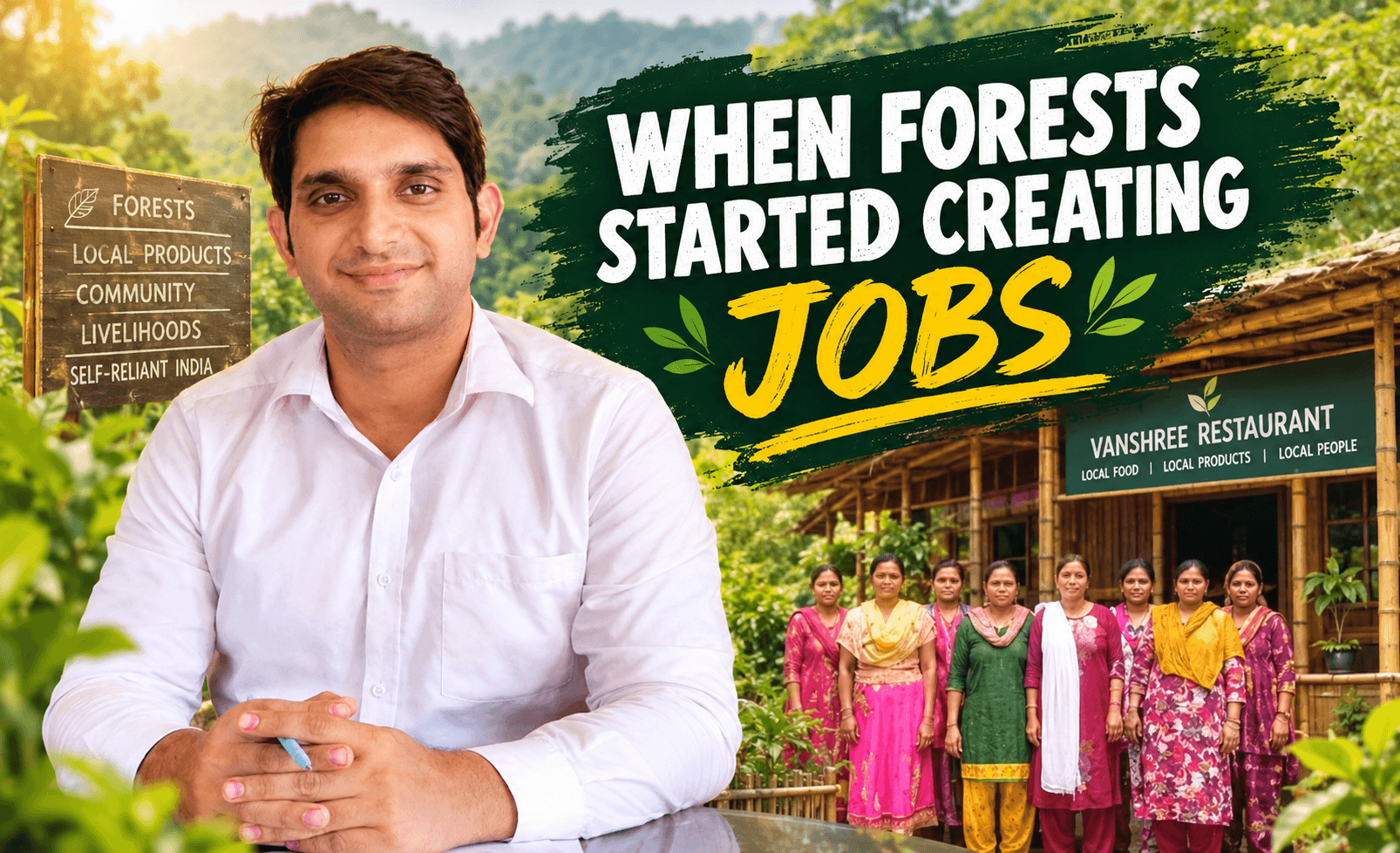
This is the idea taking shape across the Vyara Forest Division under IFS officer Arpit Poonia, 2023 batch, currently posted as Assistant Conservator of Forests (ACF), Vyara.
Under his approach, forests are not being viewed merely as landscapes to be protected. They are becoming spaces where conservation, tribal culture, tourism and livelihoods can meet.
At the heart of it is a simple chain: local produce to local enterprise, local enterprise to tourism, and tourism back to the community.
Also read: In Rajasthan’s Thar, A Rare Bird Gets a Second Chance at Survival
Where ‘Vocal for Local’ Meets the Forest
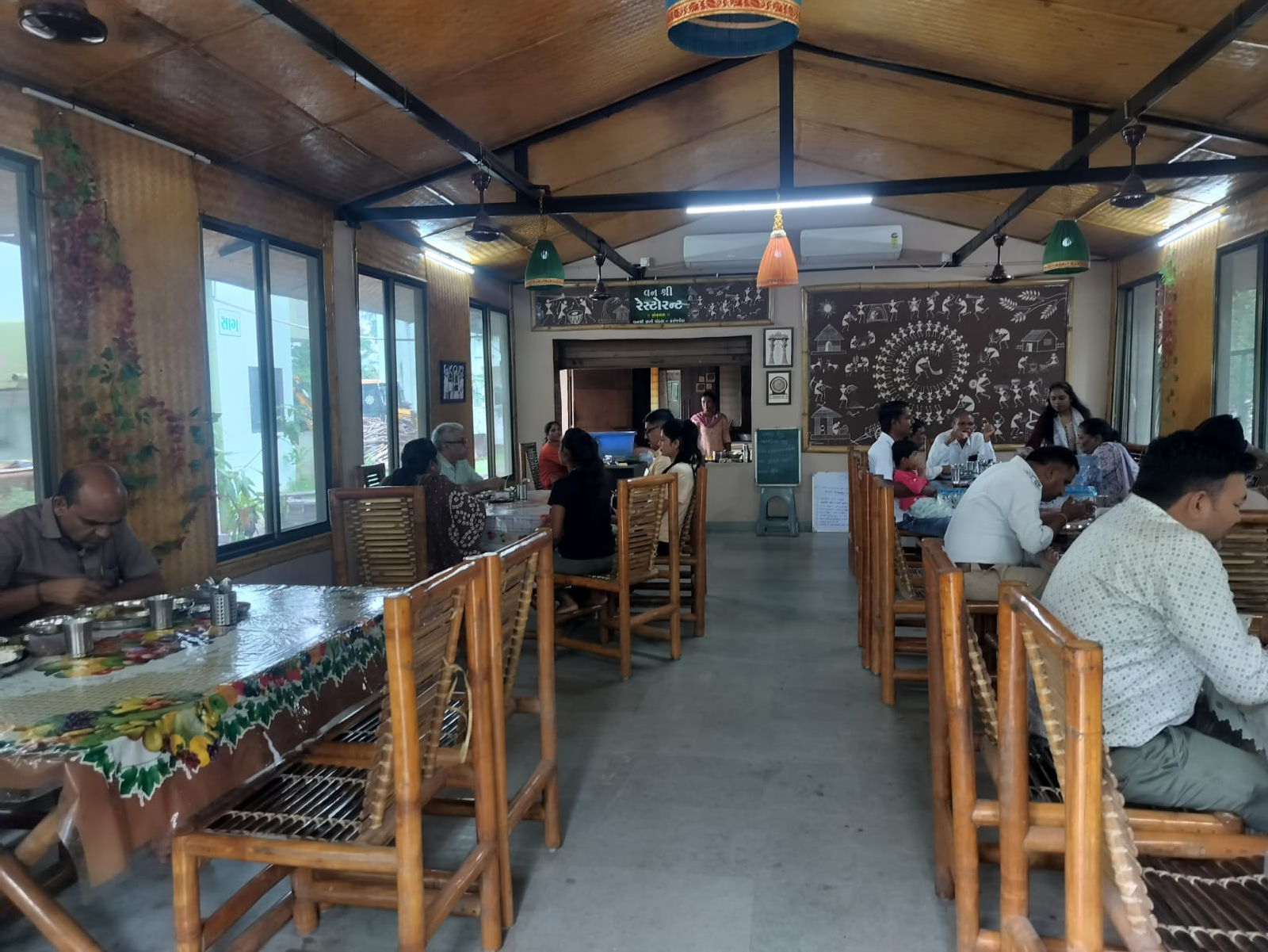
At Panwadi in Tapi, the Vanshree Restaurant and Tribal Rural Mall brings this idea to life.
The restaurant serves pure vegetarian, Sattvic and traditional rural meals rooted in tribal culture: Nagli rotla, different varieties of pulses, Nagli laddu and Nagli halwa, or shiro. Next door, the Tribal Rural Mall gives local producers a place to sell what they make: Nagli products, papad, organic pulses, cold-pressed Kachi Ghani mustard and sesame oil, jaggery and handcrafted bamboo products.
The result is more than a meal. It is a market.
The initiative directly and indirectly supports livelihoods across approximately 100 households, while giving visitors an opportunity to experience the region through its food and products.
“The purpose is not simply to create a restaurant. It is to create a market around what the community already knows, grows and makes, so that local skills and local produce can become sources of sustainable income,” Poonia shared in a conversation with Indian Masterminds.
The Vanshree model has now expanded to four restaurants across the Vyara Forest Division, taking traditional tribal cuisine and indigenous products to a wider visitor base.
In 2026, the main Vanshree restaurant also received a complete infrastructure makeover. The building was upgraded, two air-conditioning units were installed, seating was improved, ceiling framing modernised, lighting enhanced and the dining space refreshed.
But the most important part of the restaurant remains its people.
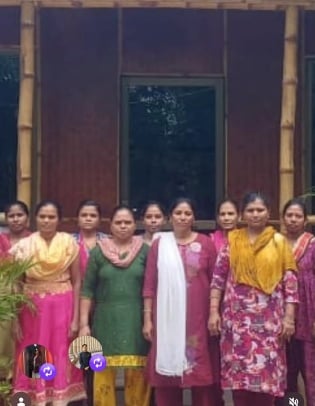
The Vanshree canteen is managed by 20 women from Hetvi Sakhi Mandal, Karanjvel, whose annual turnover has reached approximately ₹40 lakh. Across the wider Vanshree model, the estimated annual turnover this year stands at ₹74 lakh-plus, with more than 50 local women directly engaged.
A Mall That Begins Where the Forest Ends
Established under CAMPA, the Tribal Rural Mall extends the model beyond food. A visitor who comes for the forest can leave with Nagli products, organic pulses, raw groundnut oil, jaggery or bamboo handicrafts. For the producer, that simple transaction creates something more valuable, a direct connection with the market.
“Once tourism is connected with local production, every visitor can become part of a larger rural economy. The forest provides the setting, but the community has to remain at the centre of the opportunity,” Poonia explains.
Padamdungri: Where the River Became a Gateway
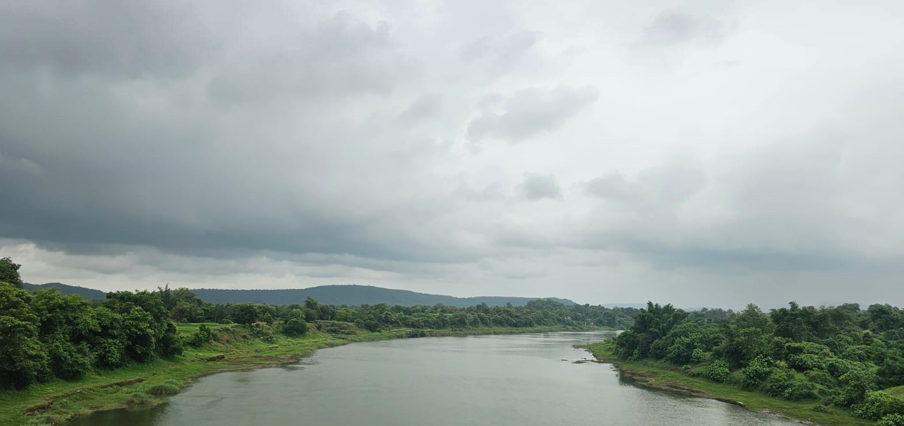
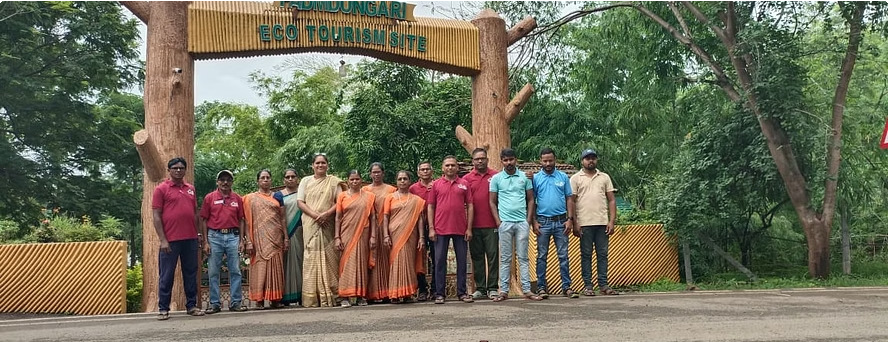
The same thinking flows into Padamdungri Eco-Tourism Site, situated along the Ambika River.
Developed through a partnership between the Forest Department and the local Joint Forest Management Committee (JFMC), Padamdungri offers much more than a picnic spot. Riverfront recreation, cottages, bamboo huts, tent stays, nature trails, food facilities and visitor amenities have together created a thriving nature-tourism destination.
The numbers tell part of the story. In 2025–26, Padamdungri received 85,687 visitors and generated ₹46.09 lakh in total revenue, while creating more than 30 direct employment opportunities for the surrounding community. The village itself has gained a distinctive identity through tourism.
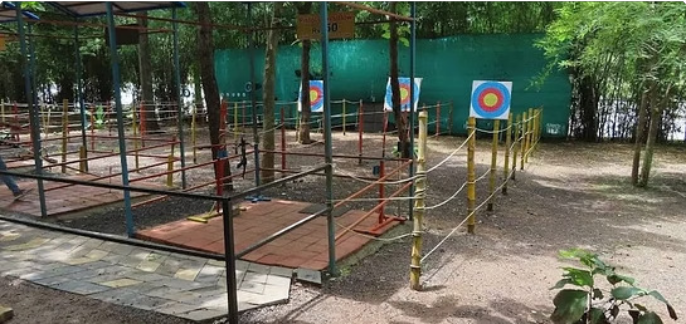
The locally operated Vaidik Rasoi brings regional food to visitors, while archery, shooting and bowling add recreational attractions. Yet the forest remains the central character.
The Arogya Van, Orchid House, Walk-in Insectarium and Interpretation Centre, along with bird and wildlife observation opportunities and nature trails, turn a tourist visit into an introduction to the region’s biodiversity. Nature Education Camps further bring students closer to the forest.
The model is clear: forest conservation leads to eco-tourism, eco-tourism creates community participation, participation creates livelihoods, and livelihoods strengthen environmental awareness.
Ambapani: When Nature Creates Opportunity
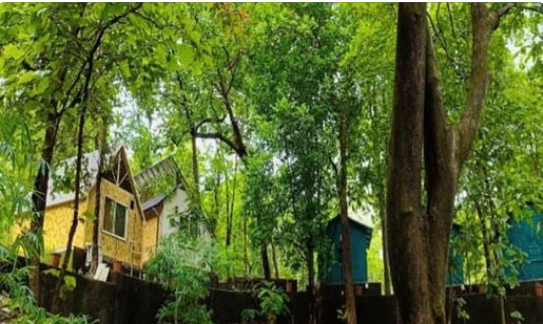
Further strengthening this landscape is Ambapani Eco-Tourism Site, another example of how conservation can create economic opportunities without losing sight of the forest.
Tree houses, cottages, guided nature trails, riverside walks, tribal cuisine and nature education offer visitors an immersive experience. At the same time, the site has created 25-plus local jobs and generates around ₹46 lakh in annual revenue.
Solar-powered infrastructure adds another dimension to the site’s sustainable tourism model. The vision running through Ambapani is uncomplicated: protect the forest, empower the community and create meaningful experiences for visitors.
For Poonia, these projects are not isolated tourism facilities. They are pieces of a larger landscape where conservation and community prosperity can reinforce each other.
“The strongest model of forest-based development is one in which the community sees value in protecting the landscape because the landscape is also creating opportunities for them,” he told Indian Masterminds.
Across Vyara, that idea is beginning to acquire a very tangible form.
A plate of Nagli food supports a women’s group. A bamboo product finds a buyer. A nature trail creates a guide’s livelihood. A visitor at Padamdungri contributes to the local tourism economy. A stay at Ambapani creates work around the forest.
And slowly, the forest becomes more than a destination.
It becomes an economy of its own, one where prosperity grows not by moving people away from the forest, but by creating meaningful livelihoods around it.
Also read: They Wanted the Bear Shot. IFS Gurharsh Singh Chose a Different Way