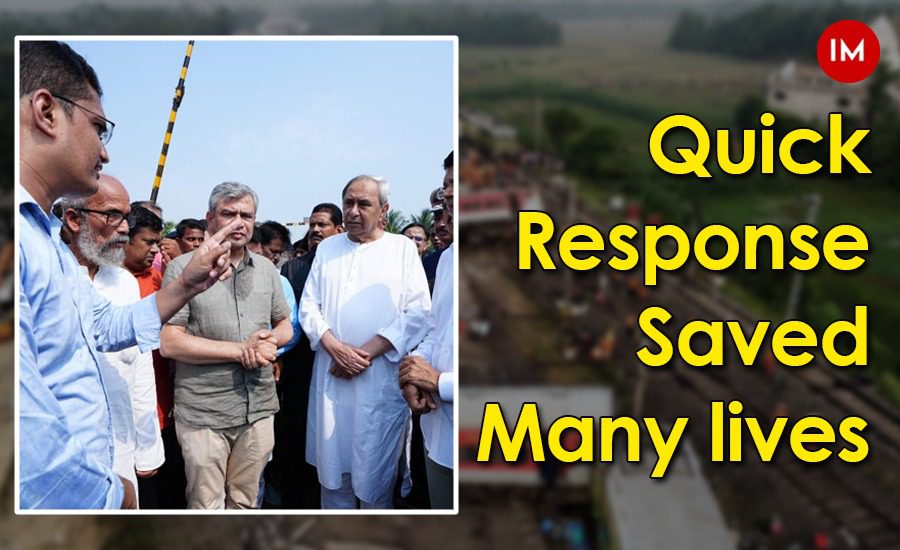
Balasore District Collector Dattatreya P Shinde was about to retire for the day after finishing his routine work at 6:50 pm on June 2 when he received a call from a local activist that an ear-splitting bang was heard near Bahanaga railway station – about 25 kms from the Balasore district headquarter – and that there could possibly be a train accident. Any other person in his place would have taken few minutes to gather wits and plan further action. But, Mr Shinde’s first reaction was to call the local Fire and Odisha Disaster Rapid Action Force (ODRAF) teams. He also set up a district emergency operation centre in the Collector’s office. He informed the emergency response team before starting for the accident site himself.
“My correspondent reached the spot within five minutes of the accident and called me telling me that it’s not just a train derailment case but a very major accident. Again, I called the Chief Secretary and told him that it was a mammoth accident and largescale deaths are feared. I also called the district medical officer of Balasore to mobilise all the ambulances and doctors to the accident spot,” Mr Shinde told Indian Masterminds.
He also apprised the Chief Secretary about the need for more ambulances and rescue teams, as the district had the capacity to keep only 12 bodies in its morgue.
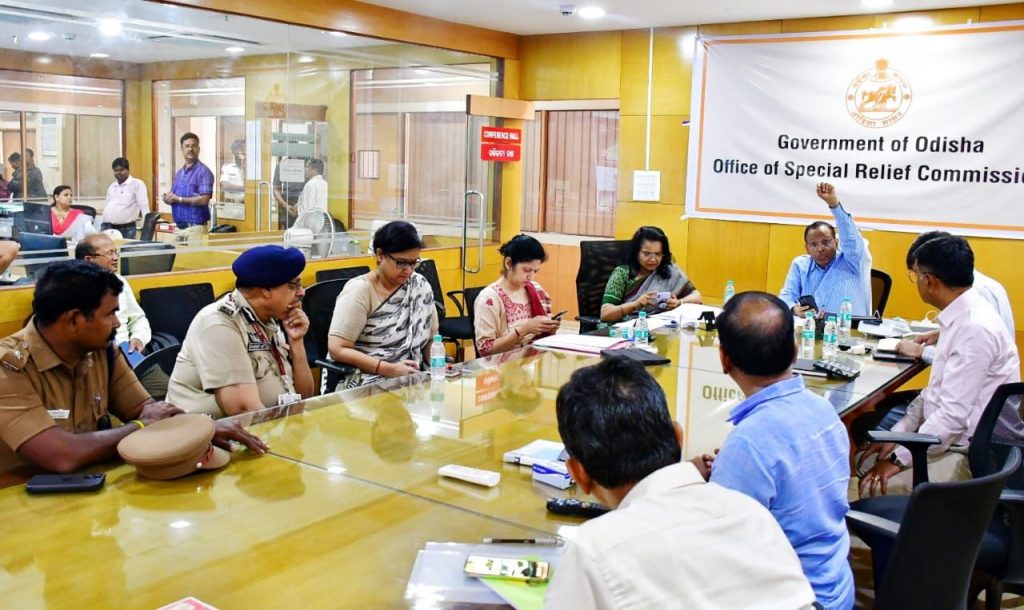
Chief Secretary Pradeep Kumar Jena is a veteran of rescue and relief operations – having managed seven cyclones in the past three-and-a-half years in his previous capacity as Special Relief Commissioner and Managing Director, Odisha Disaster Management. He immediately mobilised all possible resources. He constituted a team of nine top officials to manage the entire operation.
These were ACS Satyabrat Sahu, Principal Secretary Industries, Hemant Sharma, DG Fire Services, Sudhanshu Sarangi, Transport Commissioner Amitabh Thakur, MD Odisha Mining Corporation, Balwant Singh, Director, Women and Child Development, Arvind Agarwal, MD of IDCO, Bhupinder Singh Punia, Additional DG Railways, Amitabh Thakur, and Eastern Range IG Himanshu Kumar Lal. All of them had a clearly defined task to rule out duplication or conflict of responsibilities. Mr Jena also called the collectors of the neighbouring districts to mobilize their resources for the rescue and relief operations.
RESCUE OPERATION
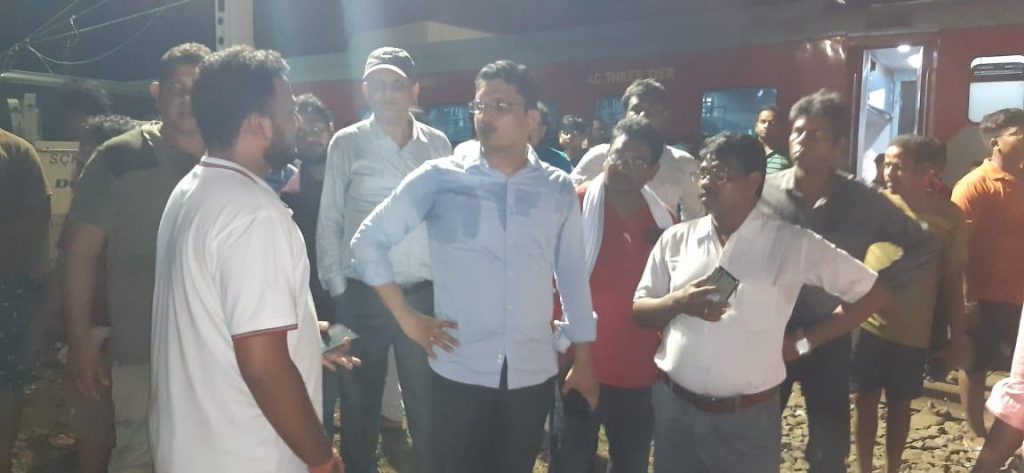
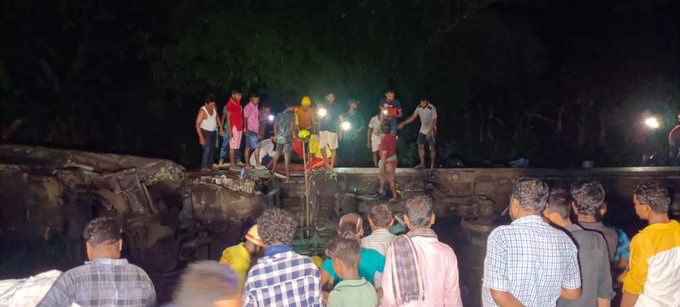
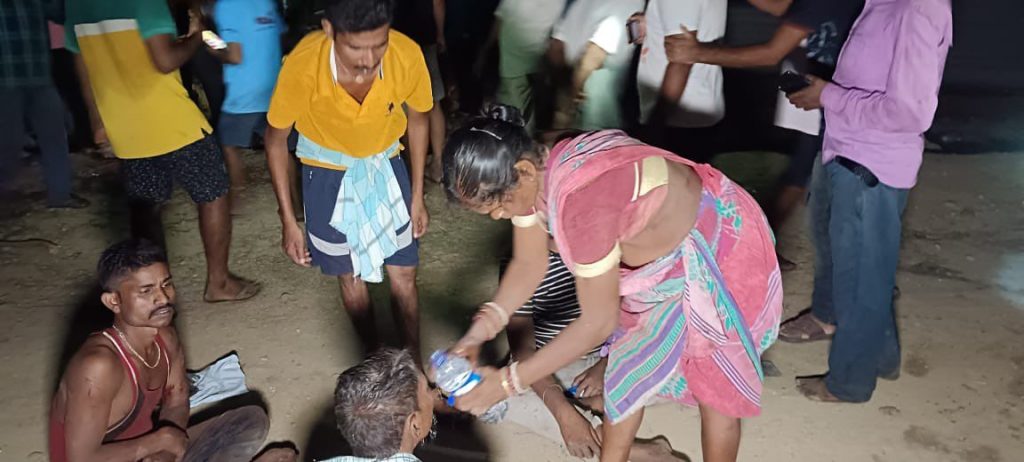
Balasore Collector Shinde reached Bahanagar in about 25 minutes. By this time, the local people had started with the rescue operation but in a haphazard manner. They were shifting the dead bodies and the injured together.
“We had only a few ambulances. So, we deployed these to ferry only the injured people. We enquired which was the nearest government building available. There was a school, Bahanaga High School, just 200 metres away from the spot, so we immediately got it opened and kept the dead bodies there. We covered the bodies with railways bedsheets pulled out from the railway compartments of the two trains, to cover up the bodies,” he said.
He also said that the severely injured were moved to the district headquarter hospital and others were shifted to CHCs. Due to this segregation of patients, not even a single critically injured person lost their life after rescue, as they were immediately moved to the hospitals from the site and treated.
TEAMS FORMED
Mr Shinde also made different teams for smoother operations. The ADM was asked to coordinate everything. Vehicle management was taken care of by the RTO; the resource mobilization and food and supplies was taken care of by the chief security officer; ground operations were headed by ODRAF, NDRF, and fire teams; and the hospital operations were headed by the CDMO (Chief District Medical Officer) and the superintendent of medical college. It was all about coordination and fast response.
By the time Mr Shinde had reached the spot, the Chief Secretary Jena had already sent five officers there, within four hours of the accident. “Looking at the visuals around 7.15 pm, we were very clear that it was a major disaster,” Mr. Jena said, adding that the message he sent out was loud and clear.
“Wherever you are, you first rush to the site. Don’t worry about your luggage, we will make arrangement. Officers in Puri and Cuttack, don’t enter Bhubaneswar, take the bypass and go,” he told the officers.
Over the next four days, nine officers formed the backbone of the rescue and rehabilitation operation in Balasore.
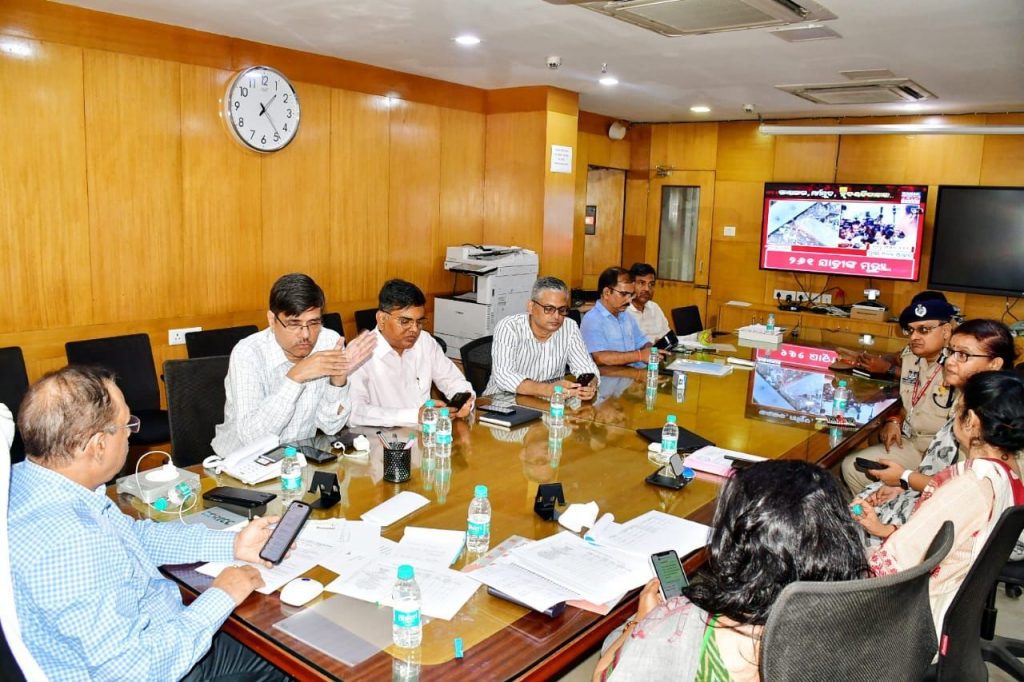
In the control room in Bhubaneswar, Chief Minister Naveen Patnaik asked the Chief Secretary and other officers about their plan to deal with the disaster. Mr Patnaik was clear – “Do whatever is required. Don’t worry about money, or limitations of budget schemes or programmes. Draw money from the Chief Minister’s Relief Fund for anything that cannot be managed out of the state’s programmes.”
Mr Patnaik’s emphasis on “zero casualty” in any tragedy is hard-wired into the state’s administrative machinery and while, in an accident, casualties may occur, officers worked with the mission of zero casualty. Along with Development Commissioner Anu Garg, there were another 8-10 senior officers in the control room at Bhubaneswar.
Odisha Health Secretary Shalini Pandit was on her toes, mobilising ambulances to the district, alerting hospitals near Balasore to be ready to receive patients, and speaking to medical colleges in Baripada and Cuttack to supplement with doctors. In three hours, she had mobilised over 250 ambulances, 50 doctors from SCB Medical College, 30-40 doctors from Baripada Medical College and a few doctors from Kendrapara and Jajpur. Collectors of neighbouring Bhadrak and Jajpur also roped in to help.
By the end of the first hour of the tragedy, 15 teams from the fire department and two ODRAF teams had already reached, with the first once reaching within 45 minutes and the number of rescue personnel swelling to 400 people by midnight.
RESPONSIBILITIES DIVIDED
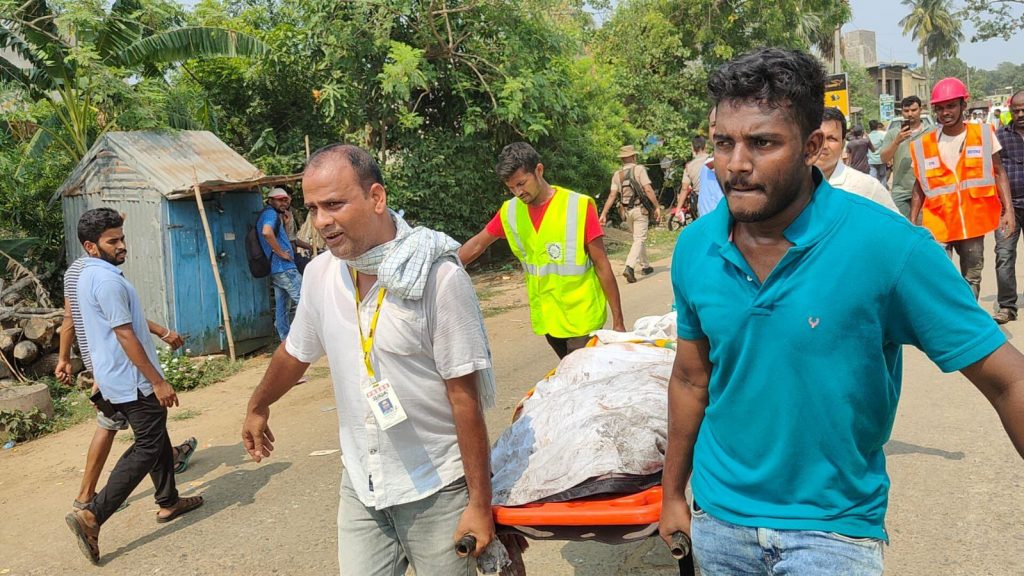
The officers demarcated responsibilities in the emergency situation, such as who will be in charge of relief, who will receive the injured, and who will handle the bodies. The priority was clear – in the first stage, extract passengers who are still alive and rush them to hospitals, putting aside the dead bodies on the track for other teams to handle. For the first 45 minutes, it was primarily the local administration headed by Mr. Shinde, the local SP and the people of Bahanaga who handled the situation. The locals poured out in large numbers and using homespun means they had, rescued people by breaking glasses of the compartment, ferried the injured to the hospital, provided succor, and donated blood.
“It was pitch dark. We installed 53 light towers and generators to provide light so that the rescue operations could take place. The second task was to evacuate the injured. Actually, the evacuation of the injured started straightaway, with the local public and authorities working on it. Our strength kept increasing. With new teams arriving, we started contributing to it, said Mr Shinde.
SURVIVRS RESCUED IN FIVE HOURS
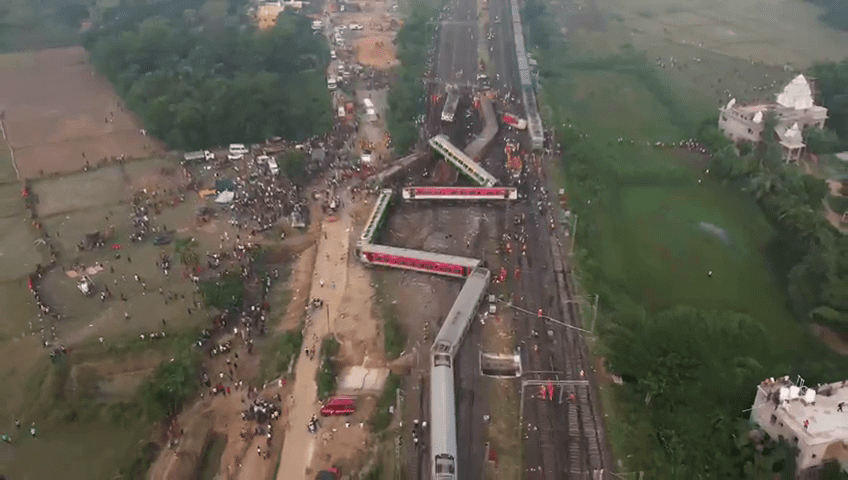
By 12 am, we had pulled out almost all the survivors. Except for two bogeys which had jumped over and were precariously perched over two other bogies, rescuers had entered all the bogies in less than four hours using plasma and gas cutters and had pulled out all the survivors by midnight.
After NDRF reached the spot, ODRAF and fire teams were given the responsibility of taking care of the survivors while NDRF was given the charge of the bodies. The rationale behind this was that the state’s own forces knew the local language while the NDRF did not.
The survivors – approximately 1,200 – were sent to hospitals in Soro, Balasore, Basudevpur, Bhadrak, PHC at Bahanaga and Jajpur, with the more critical ones referred to the district’s hospital and medical college, and to the SCB Medical College and Hospital in Cuttack. While ambulances were used for the serious patients, buses were used for those with minor injuries.
SECOND STAGE
The second stage of the rescue operation mounted by the Odisha government involved splicing open the bogeys that had turned turtle and looking for trapped survivors. “This ended at about 2 am when we were sure that we had covered the entire area. The ODRAF and the Fire Services teams used plasma cutters and hydraulic cutters to pry open these bogeys,” Shinde told Indian Masterminds.
When it came to recovering bodies, the biggest challenge was retrieving those which were trapped underneath the compartments. One June 3, after Prime Minister Narendra Modi left at 4.30 pm, heavy railway lifts were used to pull those two bogeys. Twenty seven bodies were recovered from them.
In the first six hours, the injured were removed and the survivors rescued. Then, in the next three-four hours, all the bodies were taken out minus the ones underneath the compartments.
Another challenge was to preserve the 288 bodies in the sweltering Odisha weather. The state government arranged 95 ambulances to ferry 180 bodies and a green corridor was created with pilot protection, from temporary mortuaries and hospitals in Balasore to AIIMS, Bhubaneswar. The central government sent 17 professionals along with 1,000 litres of formaldehyde by a special Air Force plane to create and preserve the special 150-bed mortuary in AIIMS.
DC Balasore Shinde along with SP Sagarika Nath did not leave the spot for three days till the rescue work had ended completely.