For a small business owner, a tax system is judged not by the complexity of its rules but by how easily they can be followed. A delayed refund can disrupt cash flow, a routine inspection can hold up a delivery, and the threat of criminal action over a tax dispute can turn doing business into an ordeal. India’s latest Goods and Services Tax (GST) reforms seek to address precisely these concerns.
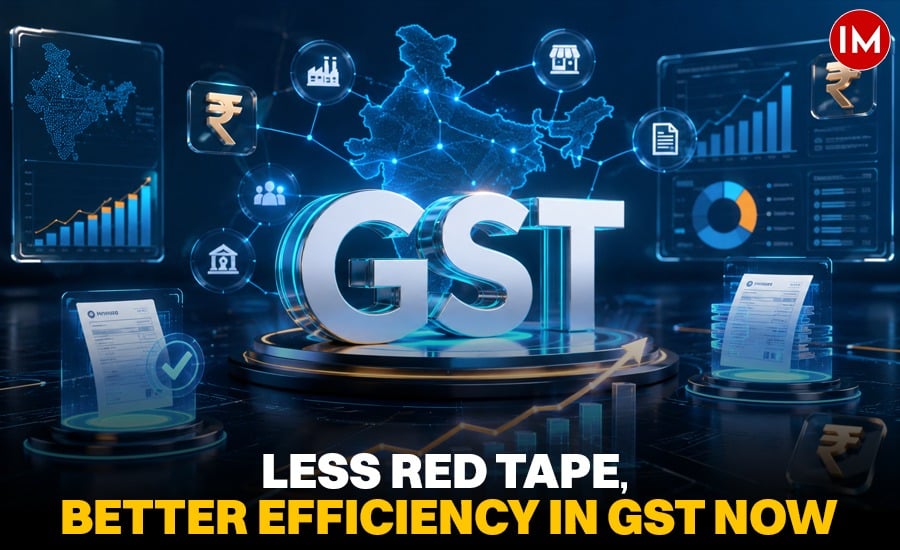
Nine years after GST was introduced, the focus is shifting from collecting taxes to making the system work better for those who pay them. At its 57th meeting in New Delhi on October 8, 2026, the GST Council approved a series of changes aimed at reducing paperwork, speeding up refunds, limiting unnecessary official intervention and making penalties more proportionate. Most of these measures are scheduled to take effect from April 1, 2027.
The underlying message is significant: businesses that pay their taxes honestly should not have to operate under a constant cloud of uncertainty. The government wants to make tax administration more dependent on reliable information and technology, reserving its toughest action for deliberate fraud and serious tax evasion.
A Shift from Fear to Fairness
One of the most consequential proposals concerns the power to arrest people in GST cases. Under the proposed changes, GST officers would no longer be able to arrest individuals merely in anticipation of an offence. Prosecution would remain possible in serious cases involving deliberate tax evasion, fake tax credits or fraudulent refunds, subject to the applicable legal conditions.
Also Read – Affordable Homes, Digital Governance and Inclusive Urban Growth: Chhattisgarh’s Development Vision
The threshold for prosecution is also proposed to rise five-fold, from ₹1 crore to ₹5 crore. This would raise the bar for criminal proceedings, offering greater protection to businesses facing disputes over relatively smaller amounts.
The changes would also give courts greater freedom to decide whether an offender should face a fine, imprisonment or both, instead of being bound by a mandatory minimum prison term. The general penalty for violations without a separately prescribed penalty would fall from ₹25,000 to ₹10,000. A minimum amount of ₹10,000 for issuing show-cause notices is also proposed, helping discourage proceedings over very small sums.
These measures do not mean that tax evaders will escape punishment. The distinction is between a genuine mistake or minor default and a deliberate attempt to cheat the system. The objective is to make the response more proportionate, rather than treating every lapse as equally serious.
Less Hurdles for Honest Businesses
For businesses, the biggest relief often comes not from a change in tax rates but from the removal of everyday obstacles.
The proposed reforms seek to speed up refunds, simplify registration and cancellation procedures, and make compliance easier, particularly for small sellers operating through e-commerce platforms. Faster refunds matter because money locked up in the tax system cannot be used to pay workers, buy raw materials or fulfil new orders. For a small enterprise working on tight margins, even a short delay can create financial pressure.
Tighter Safeguards
The Council has also proposed tighter safeguards on the interception of goods moving from one place to another. Vehicles carrying goods would be subject to restrictions on which state’s officers can stop them and under what circumstances, with specific intelligence and proper authorisation required. The aim is to reduce avoidable interruptions to trade while preserving checks against genuine irregularities.
The approach to late payments and other non-fraud defaults is also intended to be more measured. Businesses would remain liable to pay the tax due, applicable interest and the prescribed penalty. In eligible non-fraud cases, the penalty could be reduced to 5 per cent if the dues are paid within the stipulated period.
Common standards for notices, hearings and official orders are expected to bring greater consistency to tax disputes. Businesses should find it easier to understand what they are accused of, what they need to explain and how decisions are reached.
For micro, small and medium enterprises, exporters and growing businesses, the combined effect could be meaningful: less time spent dealing with tax authorities, fewer avoidable disruptions and more time devoted to customers, production and expansion.
Technology to Catch the Guilty
The shift towards a more facilitative tax system has been made possible, in part, by improvements in technology.
GST records can help authorities compare invoices issued by sellers with those reported by buyers, identify suspicious claims and flag unusual transactions. Data analysis can help distinguish high-risk cases from routine errors, allowing officers to focus their attention where the possibility of fraud is greatest.
Identifying Cases for Closer Scrutiny
This offers a more efficient alternative to blanket checks and repeated interventions. Instead of putting every business under the same level of suspicion, the system can use available information to identify cases that warrant closer scrutiny.
But technology alone cannot guarantee fairness. Data can be incomplete, transactions can be misinterpreted, and genuine businesses can be wrongly flagged. Clear rules, timely hearings and accessible grievance-redressal mechanisms will therefore be essential to ensure that automated checks do not become another source of anxiety for taxpayers.
A trust-based system must work both ways: businesses must meet their tax obligations, and the administration must exercise its powers fairly and transparently.
The Next Chapter of GST
When GST was introduced in 2017, its central promise was to replace a patchwork of indirect taxes with a more unified national market. It brought businesses across states under a common tax framework, although the transition also created new compliance demands and operational challenges.
Over the years, the focus has increasingly moved towards improving how the system functions. The latest package continues that journey by placing greater emphasis on predictable procedures, technology-led checks and a lighter compliance burden for those who follow the rules.
Often described as the next phase of GST reform, this approach recognises that a tax system cannot be judged by revenue collections alone. Its success must also be measured by how much time and money businesses spend complying with it, how quickly legitimate refunds are processed and how fairly disputes are resolved.
The real test will come during implementation. Legislative amendments and detailed rules must translate the Council’s decisions into clear, enforceable safeguards. Taxpayers will need straightforward guidance, officers will need consistent procedures, and complaints must be resolved without unnecessary delay.
Ultimately, a good tax system should make it difficult to cheat and easier to comply. If the proposed changes deliver on their promise, honest businesses could spend less time navigating bureaucracy and more time creating jobs, investing and growing. That would be a gain not only for industry but also for consumers, workers and the wider economy.
The larger lesson is simple: when compliance becomes easier and the rules become fairer, doing business becomes less of a struggle—and economic growth has more room to flourish.
Also Read – Tracks of Transformation: How IRCTC Is Taking Indian Tourism to the World