For more than a century, the Indian Railways network served a singular, vital and functional purpose of moving millions of citizens across a sprawling, multi-cultural land. Yet, over the last two and a half decades, a monumental change has quietly reconfigured this mass-transit backbone into a highly advanced vehicle for global tourism. At the core of this transformation is the Indian Railway Catering and Tourism Corporation (IRCTC).
Once recognised strictly as a digital railway ticketing engine, IRCTC has evolved into India’s premier hospitality and travel conglomerate. It has seamlessly blended India’s deep historical heritage with world-class hospitality and repositioning the country from a travel destination to a global gold standard for experiential, rail-based travel.
Redefining Luxury
Historically, European luxury trains set the absolute standard for premium railway travel. IRCTC broke this western monopoly by designing elite rail experiences that match five-star luxury hotels. The clear leader of this luxury segment is the Maharajas’ Express, an internationally acclaimed service voted repeatedly as one of the world’s leading luxury trains. Outfitted with expansive suites, beautiful dining cars serving curated international and local menus, and pneumatic suspension for smooth travel, it turns transit into a regal journey through princely India.
Also Read – Why Does India Continue to Lose So Many Lives on Its Roads?
The Golden Chariot matches these same high standards in the South, offering upscale itineraries and impeccable service. By creating these itineraries firmly rooted in the heritage and culture, IRCTC ensures that global wealth flows directly into local heritage economies, providing artisans, historians and rural performers with steady access to premium international markets.
Tool for Cultural Diplomacy
Beyond high-end luxury IRCTC uses the railway network as a unique tool for cultural diplomacy. Its specialized theme trains serve as moving cultural centers, making complex, multi-state travel routes safe and comfortable for domestic and international visitors alike.
The finest example is the Buddhist Circuit Tourist Train that links essential landmarks associated with the life of Gautam Buddha and caters to Buddhists across the world and most importantly from Thailand, South Korea, Sri Lanka and Japan.
Complementing this is the fast growing Bharat Gaurav Tourist Train initiative. Driven by the Government’s Dekho Apna Desh guidelines, these trains feature custom-wrapped coaches showing iconic monuments and indigenous art forms. From just 15 trips early in the scheme to a staggering 237 trips in a single fiscal year, serving over 6.09 lakh travelers since its inception, the initiative has grown in leaps and bounds.
One-Stop Travel Ecosystem
IRCTC removed this obstacle by scaling its online engine into one of the largest e-commerce platforms in the entire Asia-Pacific region. The IRCTC Tourism portal aggregates multiple services effortlessly by catering to cross-country rail travel to domestic flights, bus charter connections, international flights, hotel rooms through verified partner hotel chains. This digital modernization guarantees that international tourists encounter the transparent, swift, and secure e-commerce standards they expect globally.
Global Shift to Mindful Travel
Global travel preferences have shifted significantly toward eco-conscious and low-impact tourism, with over 80% of Indian travelers actively prioritizing sustainability. As a primary driver of mass tourism in India, IRCTC in tandem with Indian Railways has aligned its operations to meet this green demand through a multi-pronged approach covering waste mitigation, paperless systems, renewable energy and curated green itineraries.
IRCTC has revamped its core catering and packaged water services to dramatically reduce plastic waste. Moreover, the shift to digital ecosystems has cut down paper waste at an institutional scale. Because IRCTC relies heavily on the physical infrastructure of Indian Railways, it benefits directly from the national directive to achieve Net-Zero Carbon Emissions by 2030.
To capitalize on the consumer desire for low-impact travel, IRCTC has expanded its inventory to focus on responsible tourism by pivoting heavily toward theme-based rail tourism, localized community engagement and eco-friendly on-and-off-board operations. The train itineraries encourage slow travel and distribute tourism wealth away from overcrowded hotspots into regional heritage nodes and upcoming destinations.
The 2026 – 2035 Vision
IRCTC operates in a highly competitive global market and to stand out in the crowd is implementing a forward-looking strategic roadmap. Key focuses include upgrading the Maharajas’ Express with advanced modern rake, solving international credit card validation friction, launch of unified travel portal and super app, solidifying its position as the leader of mass rail tourism and expansion in MICE tourism market etc.
By packaging India’s extraordinary cultural depth inside a layer of digital efficiency, top-tier safety and reliable luxury, IRCTC has constructed a world-class tourism asset. As the international travel community increasingly embraces authentic, slow, and immersive travel, IRCTC stands prepared, by ensuring that the journey is no longer just a transit but a legendary experience in itself.
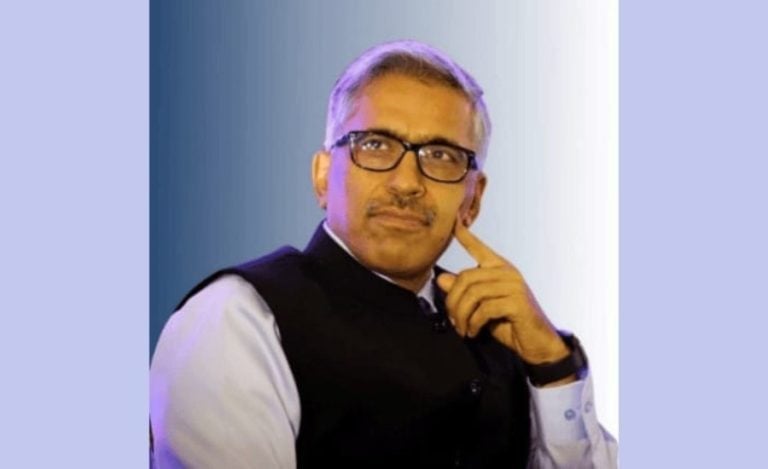
(The author is an Indian RailwayTraffic Service (IRTS) officer, presently posted as Group General Manager (Tourism) with Indian Railway Catering and Tourism Corporation (IRCTC)
Also Read – How Uttar Pradesh Engineered a 156-Crore Tourist Explosion