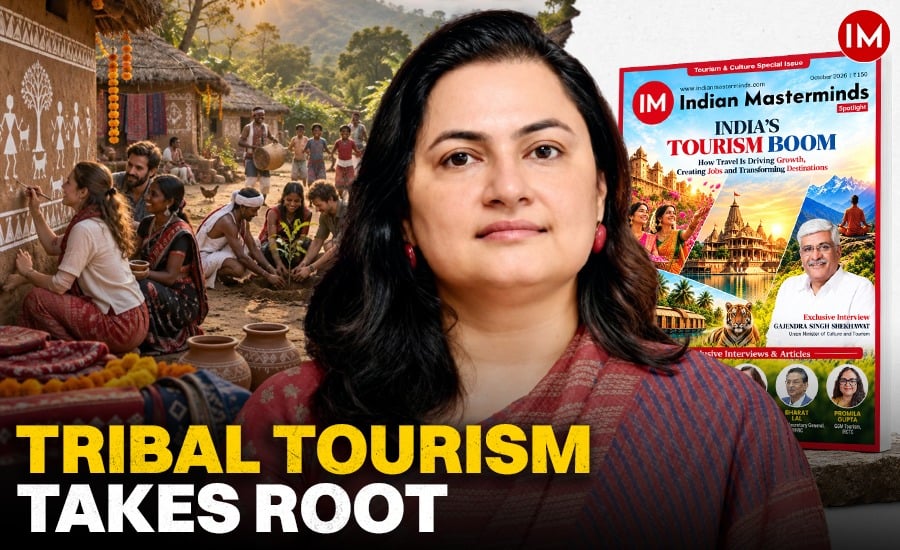
By Ranjana Chopra
There are journeys that take us to a destination. And then there are journeys that allow us to understand one. A river is no longer simply a river when someone from the village tells you the story of its waters. A forest becomes more than a green landscape when a local host explains the plants gathered from it, the seasons that shape village life, or why a particular grove is sacred. Food becomes memory, music becomes identity, and a house becomes an open doorway into a way of life. This is the promise of Tribal Tourism.
Across many of India’s tribal regions, the attraction is not a monument created for tourists. It is the landscape itself, the rhythm of village life, indigenous food, traditional knowledge, crafts, stories, festivals, architecture and a relationship with nature that has evolved over generations. The opportunity before India is to make these experiences accessible without turning them into commodities—and, in the process, create livelihoods that allow communities to remain the custodians of their own heritage.
Why Tribal Tourism?
Tribal tourism is different because the destination is not separate from the community. Conventional tourism often places the traveler in a hotel, takes them to a site and brings them back. Tribal tourism can create a deeper relationship between place, people and experience. The visitor does not simply see a landscape; they encounter the people who interpret it. They do not merely consume a cuisine; they learn its origins. They do not watch a cultural performance from a distance; they discover the stories, traditions & meanings behind it.
Read Also: Tracks of Transformation: How IRCTC Is Taking Indian Tourism to the World
Not Just Sightseeing
The landscape becomes meaningful when local knowledge becomes part of the journey—when rivers, forests, food, architecture, culture, rituals and traditions are understood through the eyes of the people who live with them.
A tribal homestay is not merely a room for the night. It can become an entry point into village life, indigenous cuisine, storytelling, music, farming, crafts, festivals and everyday practices.
Tourism creates greater value when local households, women, youth, guides, farmers, artisans, cooks and transport providers become participants in the tourism economy rather than spectators to it.
This is also where eco-tourism becomes particularly relevant. Tribal landscapes are often inseparable from forests, rivers and fragile mountain ecosystems. A well-designed tribal tourism model can therefore make conservation part of the visitor experience—encouraging local sourcing, responsible travel, low-impact infrastructure and respect for the ecology that sustains communities. The idea is not to bring the city into the village, but to help visitors appreciate what is already there.
National Tourism Ecosystem
Recognising this potential, the Ministry of Tribal Affairs (MoTA)is working towards building a Tribal Tourism Ecosystem that combines infrastructure, enterprise development, capacity building and market access. Under the Dharti Aaba Janjatiya Gram Utkarsh Abhiyan (DA-JGUA), Tribal Homestays are being developed through the Swadesh Darshan Scheme of the Ministry of Tourism, with a target of 1,000 homestays over five years-across tourism-potential tribal villages.
The approach is deliberately cluster-based: approximately 5–6 villages form a cluster, with 5–10 homestays envisaged per village. Support is not limited to constructing rooms. It brings together the physical and the human sides of tourism—new rooms and renovation, community assets, training, branding and onboarding onto online travel platforms.
The scale is already visible. 495 tribal homestays have been sanctioned across 14 clusters covering 81 villages.But a homestay becomes a livelihood only when its owner has the confidence and skills to run it as an enterprise. That is why the second pillar is capacity building.
Teaching Hospitality
MoTA, in collaboration with the Ministry of Tourism and hospitality-sector institutions and partners, is creating a structured training pathway for tribal homestay owners. The Tribal Eco-Tourism Pilot Programme (TEPP), implemented through ITDC. The ambition is much larger: 1,500 tribal youth to be trained over two years, alongside the development of master trainers. The philosophy is simple: build capability, not dependency. Success Stories: Three landscapes. Three stories. One idea.
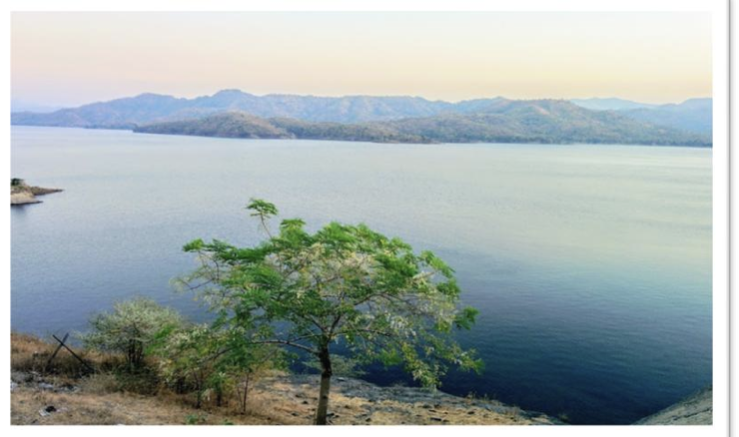
What makes the emerging models particularly compelling is that there is no single template for tribal tourism. A Himalayan riverside homestay, a Narmada village stay and an eco-tourism experience in the Lepcha landscape can look entirely different—and yet share the same foundation: local ownership, cultural authenticity and livelihood creation.
Mountains As Host In Arunachal
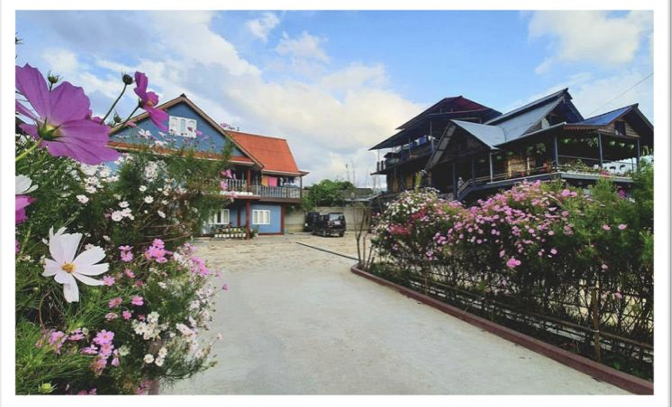
In Mechukha, Yargyapchu Homestay, founded by Shri Lakpa Sona in 2025, grew from a single room to receiving thousands of guests a year. In Lumpo, Zemithang, Tawang, Nawang Chotta Homestay offers visitors a window into Monpa community life and Buddhist traditions. Here, the experience extends well beyond the homestay itself—Red Panda spotting, birding, trekking, riverside stays and monastery circuitsbecome part of the journey. The resulting livelihood chain reaches local youth guides, women cooks, transport providers, artisans and food suppliers. In one of India’s remotest frontier regions, tourism becomes not merely a business, but a way of making distance an asset and culture a destination.
Narmada Meets Hospitality In Gujarat
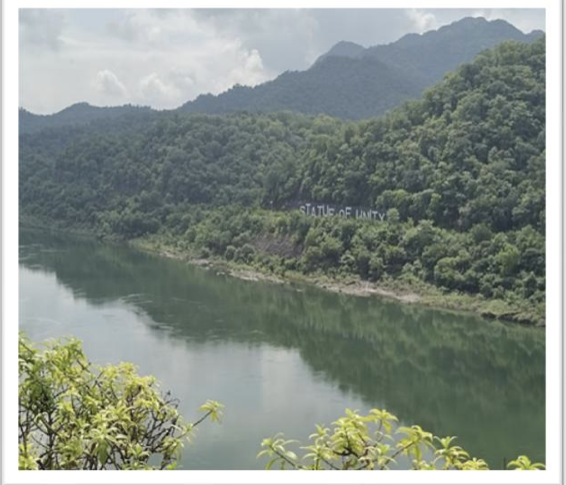
In Garudeshwar, just 5–7 km from the Statue of Unity, the Tadvi tribal homestays demonstrate how tourism can create local enterprise around an existing cultural and natural landscape. Jay Bajarang Homestay, led by Hansaben Tadvi, stands out as a women-led enterprise, with a reported monthly income of around ₹40,000. A Home Stay, goes a step further by helping new applicants with practical aspects of hygiene, pricing and guest care. Together, the homestays connect visitors with Timli dance, Narmada aarti, forest-herb cuisine and Shoolpaneshwar eco-trails.
Conservation Becomes Hospitality In Sikkim
In Dzongu, North Sikkim, Mayal Lyangoffers perhaps the clearest expression of tribal tourism as eco-tourism. Founded in 2008 by Gyatso Lepcha, it emerged as a model of community-led sustainable development linked to efforts to protect the Rongyung Chu and Teesta rivers and the fragile Himalayan ecology. Its recognition—IRTA
Gold 2019 for Best Homestay under the Indian Responsible Tourism Awards—and its hosting of Norway’s Crown Prince and Princess for a three-day stay demonstrate that authenticity does not need to be diluted to achieve recognition.
The most valuable thing a tribal destination can offer may not be something it has built for visitors, but something it has preserved for generations.
The larger vision is not to manufacture a new tourism product. It is to reveal one that already exists. A tourism model where a traveler arrives not just to see a place, but to understand it. Where nature is not merely a backdrop, but something to be interpreted and respected. Where a home becomes a hospitality enterprise, a local tradition becomes a source of pride, and a forest or river becomes part of a conservation economy.
The future of tribal tourism may lie not in making tribal India more like the tourist destinations of yesterday, but in allowing the world to experience tribal Bharat on its own terms.
That is where tourism becomes more than travel. It becomes livelihood. It becomes conservation. And, above all, it becomes a bridge between people, place and purpose.
(The author is Secretary, Ministry of Tribal Affairs, Government of India.)
Disclaimer—(The views and opinions expressed in this article are solely those of the author and do not necessarily reflect the views of Indian Masterminds. For feedback or queries, please write to [email protected].)
Read Also: Bihar: Gaya Shankaracharya Math to Get ₹8.85 Crore Laser Light and Sound Show to Boost Tourism