For Praful Matta, an Income Tax Officer from Andhra Pradesh, the mountains offer something that an office desk never can: silence, solitude and the chance to discover how far the human body and mind can go.
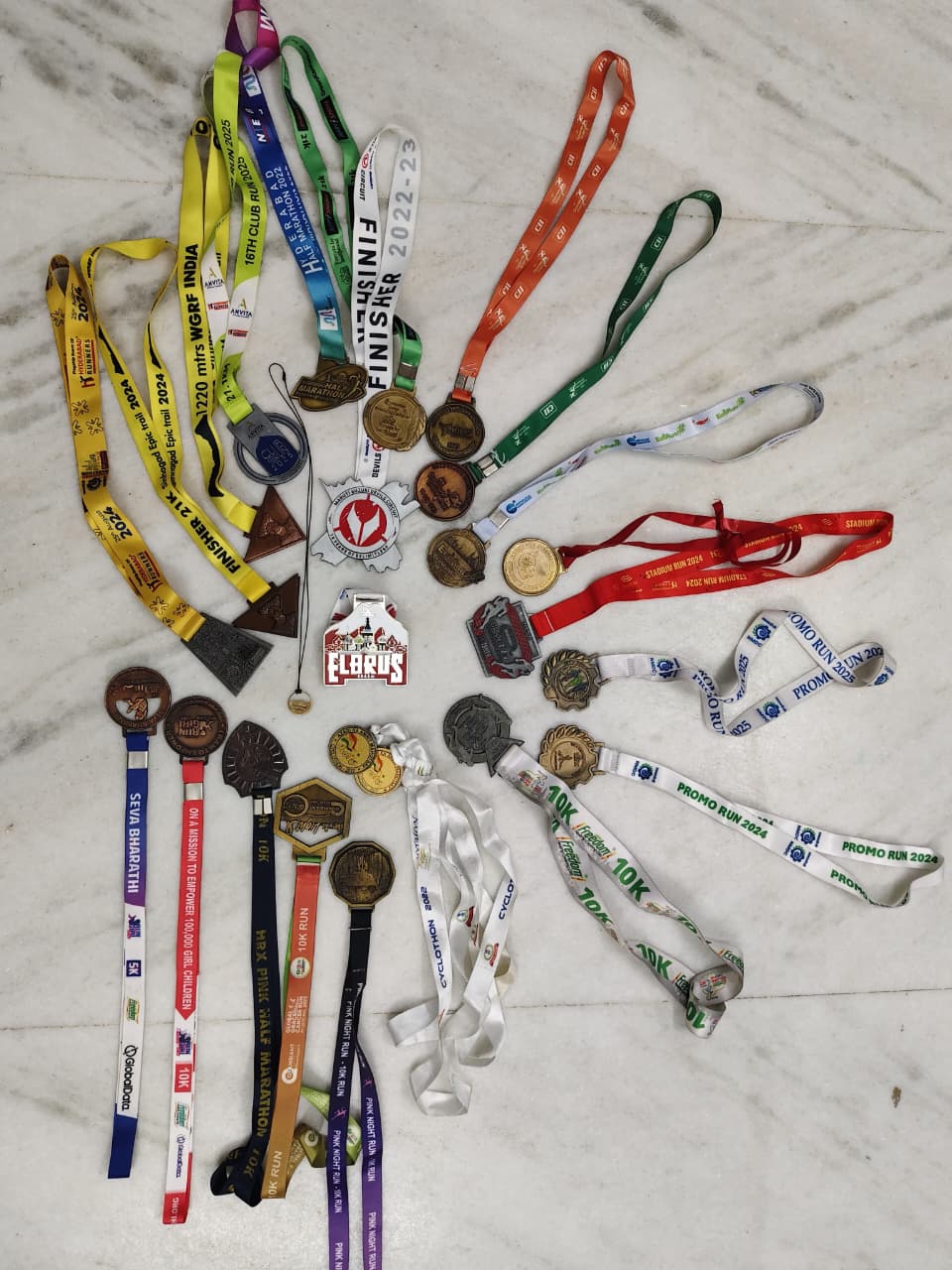
An Electrical and Electronics Engineering graduate from JNTU, Hyderabad, Matta began his professional journey with a brief stint in banking before joining the Central Government’s Income Tax Department. Along the way, running became a passion. He completed a full marathon of 42.195 kilometres and participated in more than 15 half marathons, including trail runs.
But it was a trek in the Himalayas that changed the direction of his life.
Also read: IPS Sandip Patil: From Managing Pune’s Most Sensitive Moments to Securing Maharashtra’s Industrial Future
The Trek That Changed Everything
In 2022, Matta signed up for the Sarpass Trek in Himachal Pradesh’s Parvati Valley, reaching an altitude of 4,220 metres. What began as a search for an enjoyable outdoor adventure turned into something much deeper.
Away from mobile networks, traffic and the noise of everyday life, he discovered the pleasure of walking through landscapes where flowing streams and birdsong replaced the distractions of the city. Living with only a few essentials also taught him how little he actually needed.
“The long, peaceful moments with nature gave me time for self-talk and introspection. Walking for hours at different altitudes made me reflect on how I react to situations in everyday life,” Matta shared in an exclusive conversation with Indian Masterminds.
The sense of achievement after a difficult climb stayed with him. Soon, the 4,220-metre trek was no longer enough. He wanted to go higher.
From Everest Base Camp to 6,189 Metres
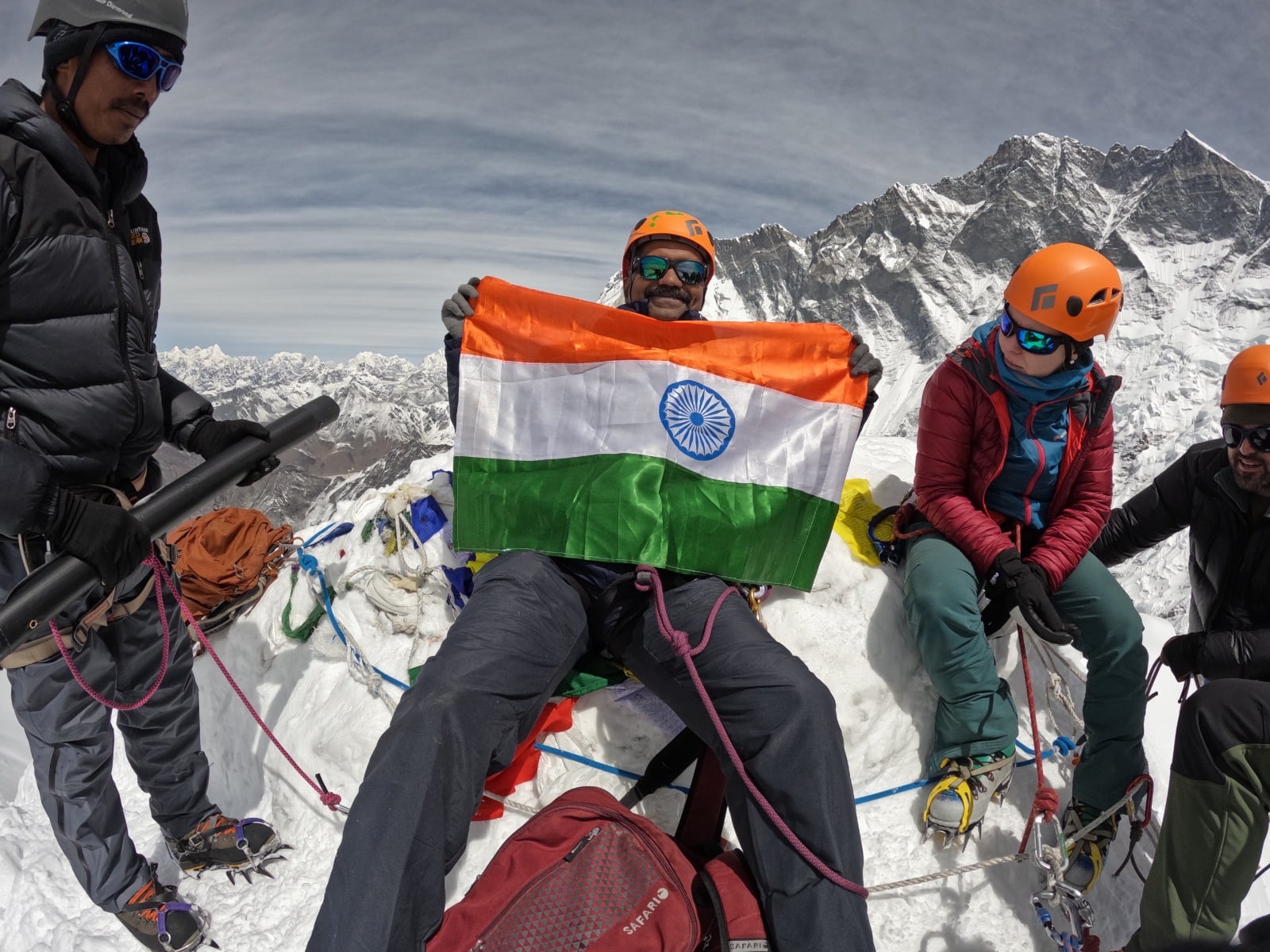
In April 2023, Matta completed the Everest Base Camp trek, reaching 5,364 metres, and summited Island Peak, standing at 6,189 metres, within 21 days.
The experience introduced him to technical mountaineering, including snow boots, crampons, harnesses, down suits and rope-assisted movement over ice.
After the group trek to Everest Base Camp, he continued towards Island Peak largely on his own, accompanied by his guide. The final stretch tested him in ways he had not anticipated.
“When I was just about 100 metres from the summit, I told my guide that I wanted to turn back. He warned me that if I repeated it, he would push me down the mountain just to keep me motivated,” Matta recalls with a smile.
The exchange stayed with him long after the climb. He carried its lesson into his professional and personal life: the moment when one feels like giving up may come just before the breakthrough.
Two Major Summits in 2025
Matta’s ambitions grew with every expedition. In July 2025, he completed back-to-back climbs of Lenin Peak, at 7,134 metres in the Trans-Alai range, and Mount Elbrus, Europe’s highest peak at 5,642 metres.
The climbs demanded careful planning, physical preparation and an understanding that no two mountains behave alike. Lenin Peak also gave him a sobering glimpse of the risks involved when he saw a deceased climber being brought down by guides.
“The summit is not the ultimate success. Coming home alive is the real success,” he told Indian Masterminds.
For Matta, that lesson became central to his approach to mountaineering. Training matters, but weather, altitude and conditions beyond a climber’s control can change everything.
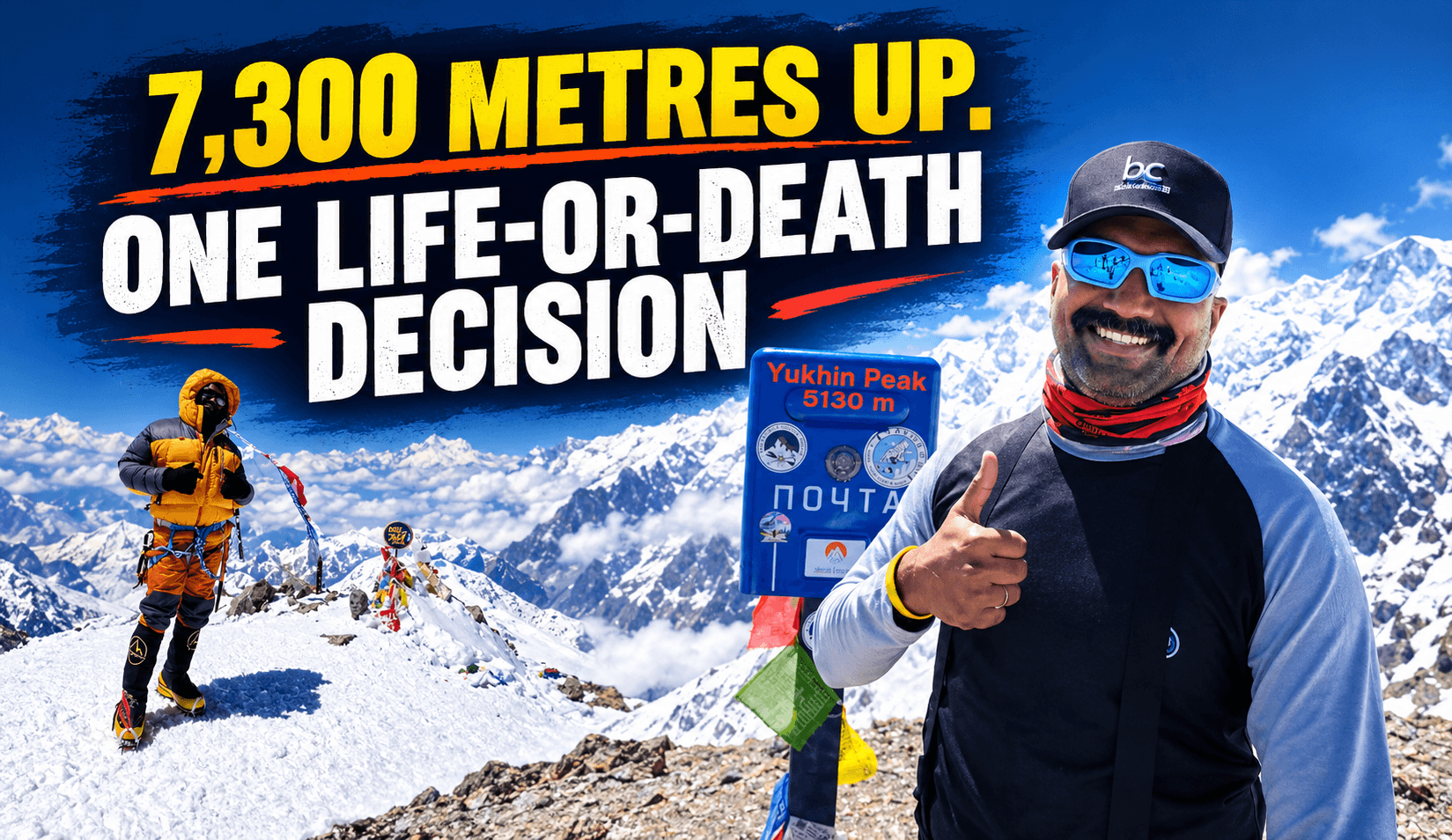
The Everest Dream That Ended at 7,300 Metres
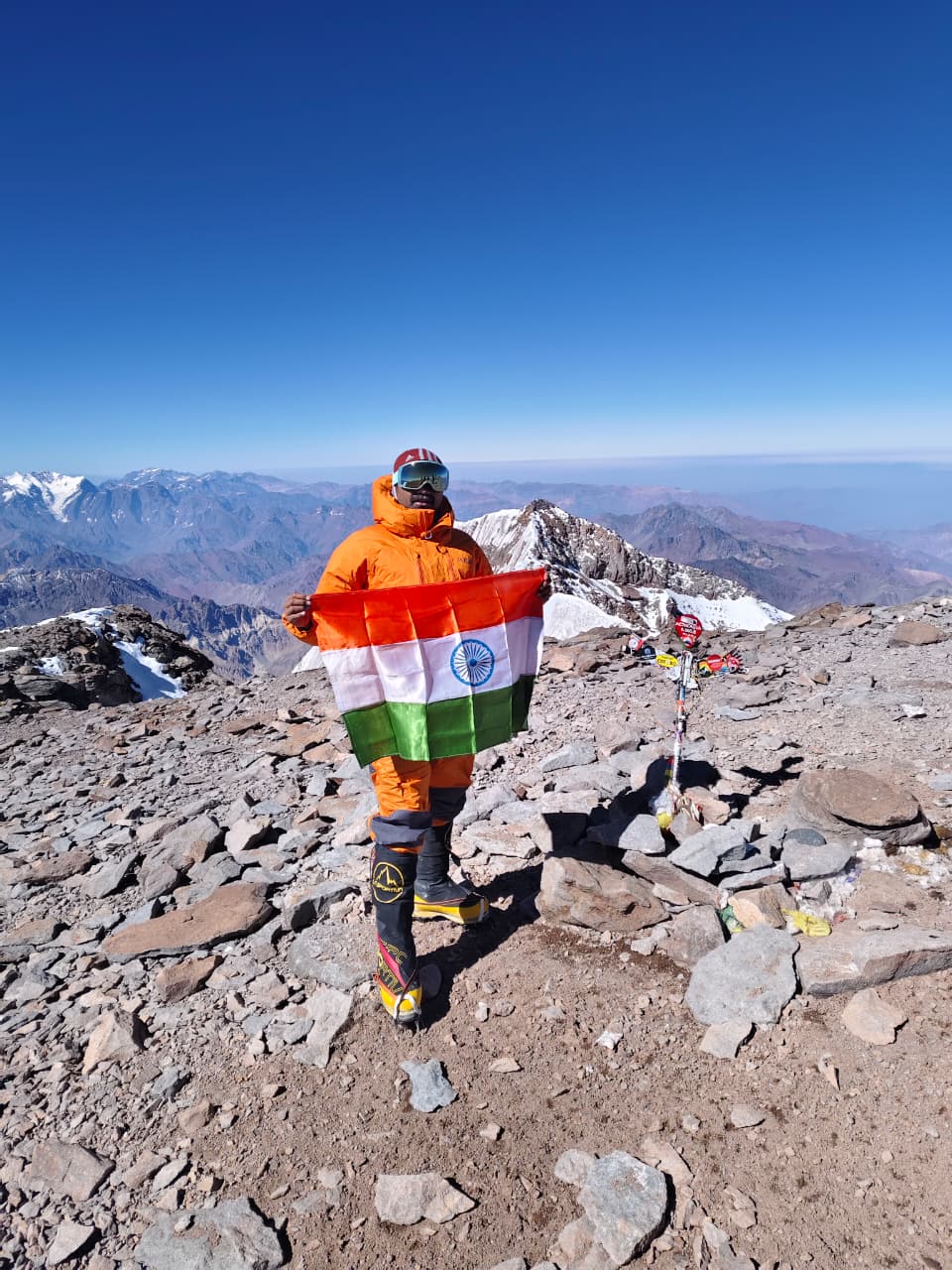
In January 2026, Matta began the year with an expedition to Aconcagua, South America’s highest mountain at 6,962 metres. Its predominantly rocky terrain, with loose stones underfoot, presented a different challenge from the snow-covered mountains he had climbed earlier.
Then came his biggest ambition: Mount Everest.
In April 2026, he began the expedition to the world’s highest mountain, standing at 8,849 metres. After spending weeks in the region, he crossed the Khumbu Glacier, reached Camp 1 and continued through the Valley of Silence to Camp 2.
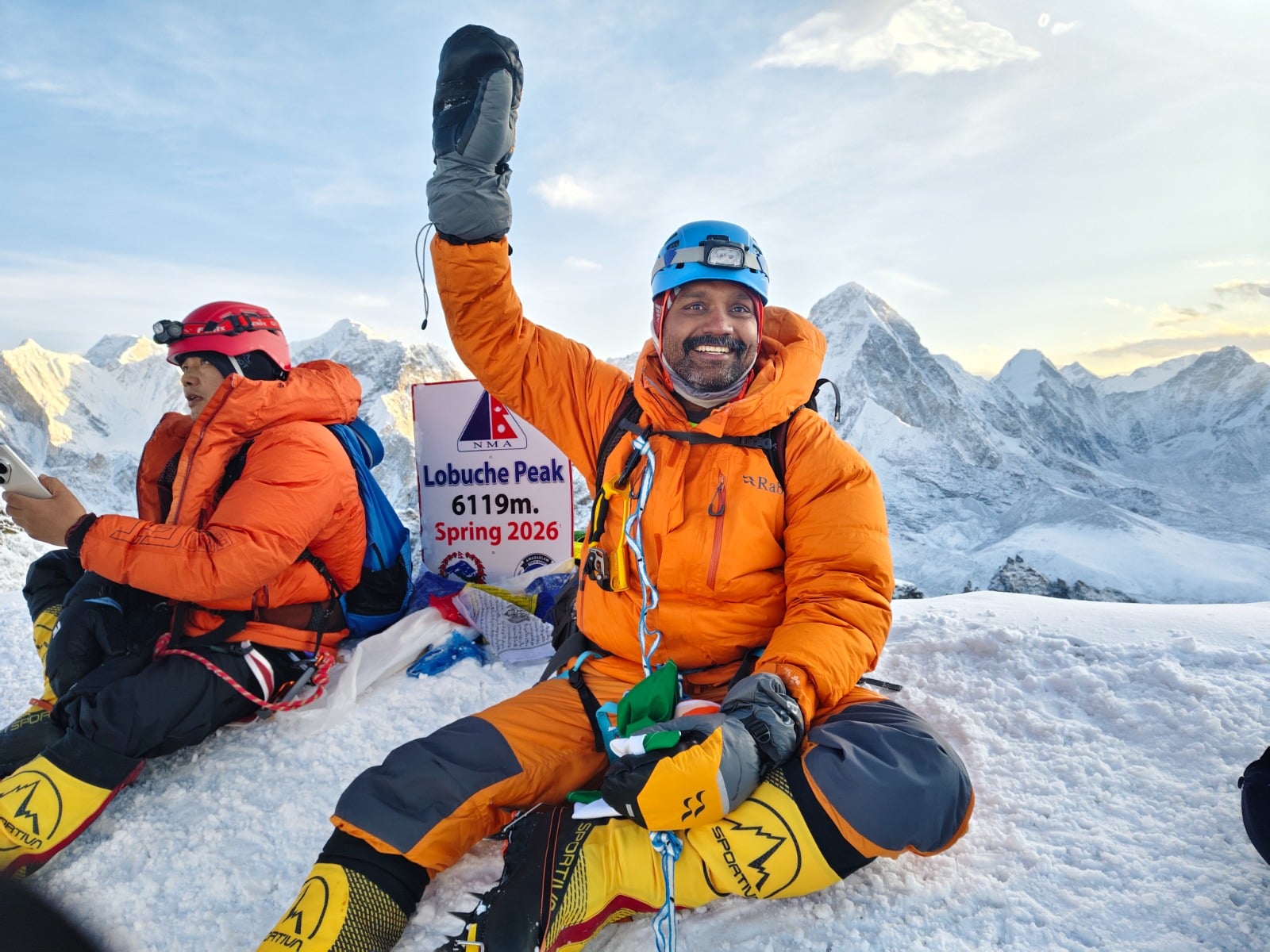
He also summited Lobuche East, at 6,119 metres, and reached Kala Patthar at 5,545 metres and Pumori High Camp at approximately 5,700 metres during his time in the Everest region.
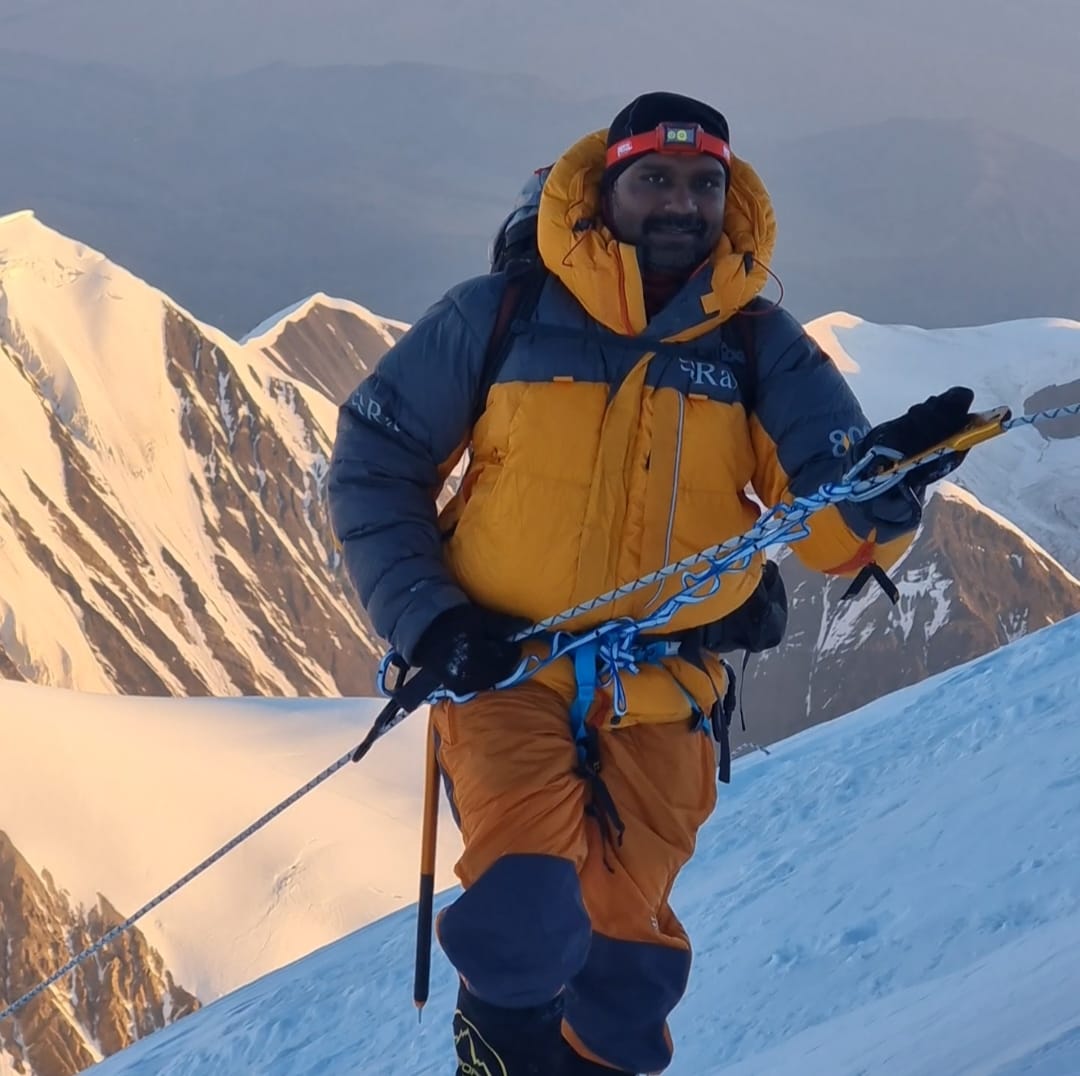
But on the summit push, at around 7,300 metres near Camp 3, his body began to fail him. Severe headaches, breathlessness, vomiting, blood-stained sputum and bluish discolouration of his eyes forced a frightening decision.
Despite oxygen support, his condition deteriorated. He was advised to descend immediately rather than risk dying at an altitude where rescue becomes extraordinarily difficult.
Matta later understood, after speaking with experienced mountaineers and doctors, that he may have suffered severe high-altitude pulmonary oedema, a potentially life-threatening accumulation of fluid in the lungs. He recalls experiencing episodes of interrupted breathing during the night at Camp 2, which he had not initially recognised as a serious warning sign.
“I realised that had I continued upwards instead of turning back, I might not have survived. At those altitudes, even making the right decision becomes difficult because the lack of oxygen affects your thinking,” he says.
For someone who had trained for years to reach the summit, turning around was painful. Yet descending alive was the decision that mattered.
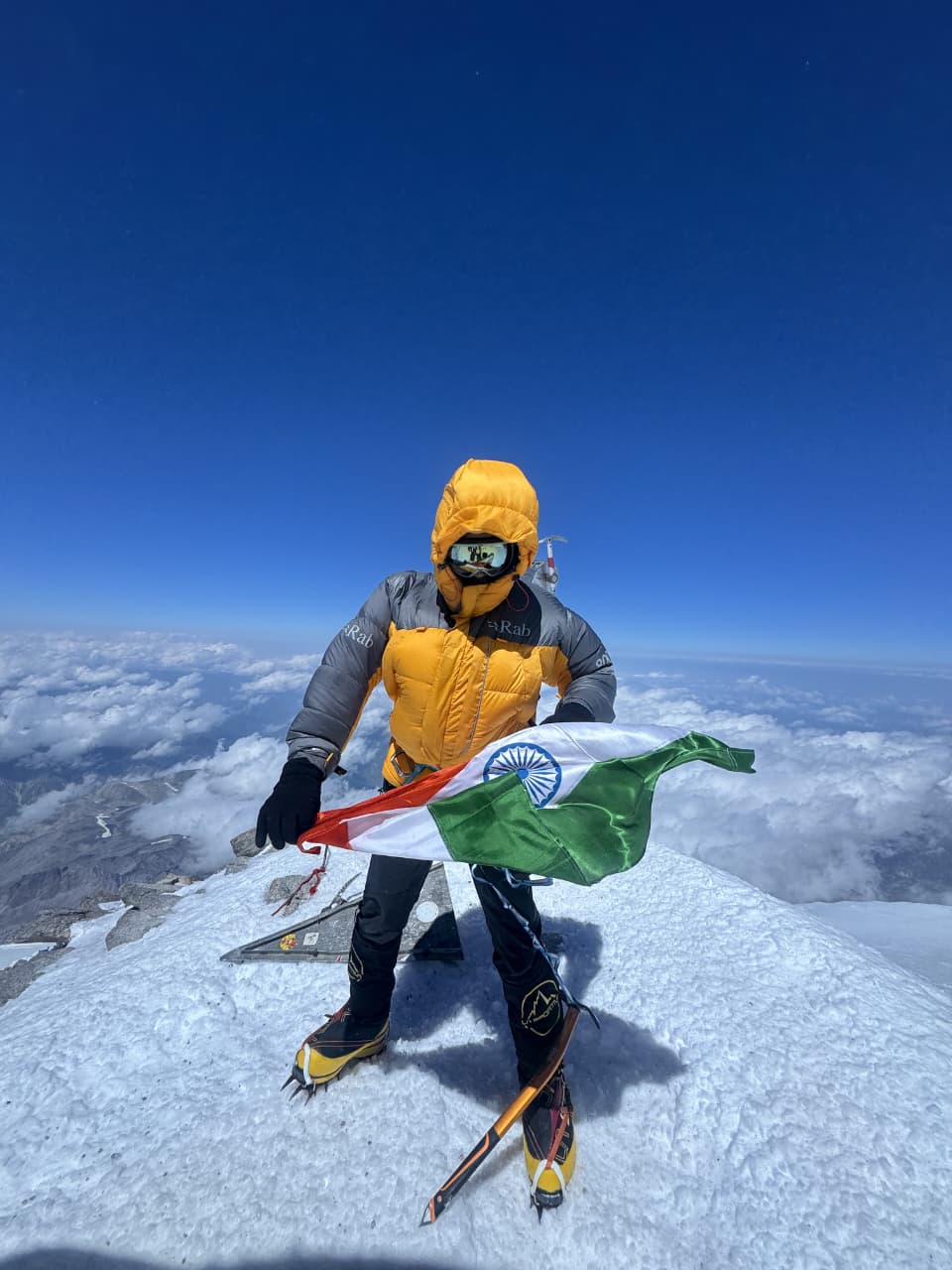
A 4 AM Routine Behind the Climbs
Mountaineering alongside a full-time government job requires more than physical fitness. Matta is also a father to a five-year-old son who expects his father’s time and attention.
His solution is an uncompromising routine. He wakes at 4 am to complete his daily training before his son wakes at 7 am, prepares for office, plans expeditions well in advance and aims to sleep by 10 pm.
His training combines long-distance running, hill and trail running, strength work and yoga, including pranayama. Together, these help build endurance and prepare him for demanding terrain, although no training can eliminate the dangers of extreme altitude.
For Matta, the secret is not choosing between work, family and adventure, but planning carefully enough to give each its place.
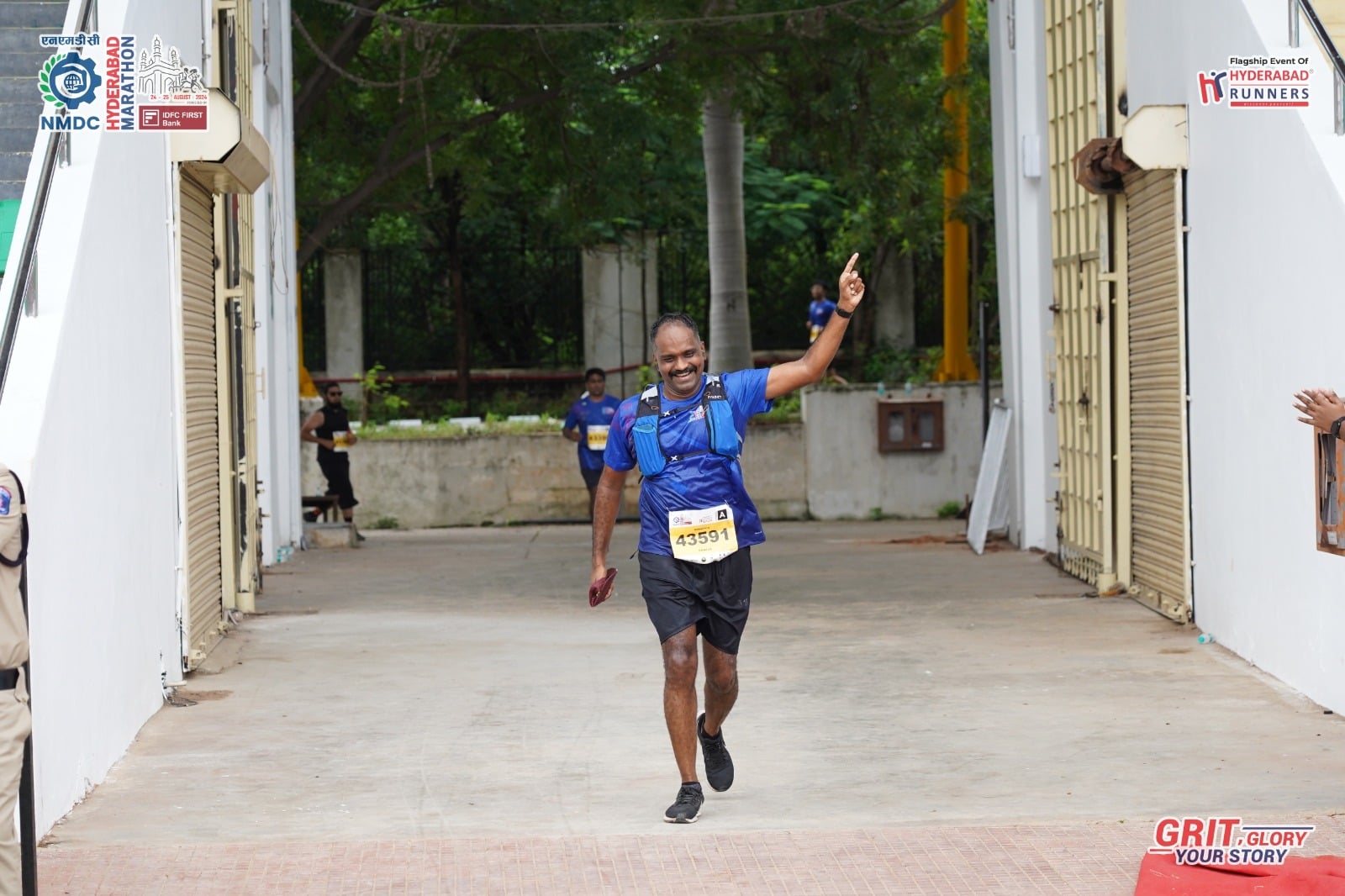
The Mountains Still Call
The Everest setback has not ended Matta’s ambitions. He hopes to climb Mount Kun (7,077 metres), Mount Nun (7,135 metres) and Ama Dablam (6,812 metres) in 2027. Kun and Nun appeal to him as major Indian peaks accessible through commercial expeditions, while Ama Dablam attracts him for its steep, technically demanding climbing routes.
He is also consulting doctors about whether another Everest attempt would be safe. He says he has been cautioned about the possibility of the same medical problem recurring and is exploring changes to his training.
For now, the summit remains unfinished business. The man who once began with a trek in search of peace continues to look towards the world’s highest places, aware that ambition must always be balanced with judgement.
His journey is not simply about how high he can climb. It is about knowing when to push forward, when to turn back and finding the courage to begin again.
Also read: How IAS Vijaya Krishnan Is Turning Schools and Hostels Into Net-Zero Campuses in Andhra Pradesh