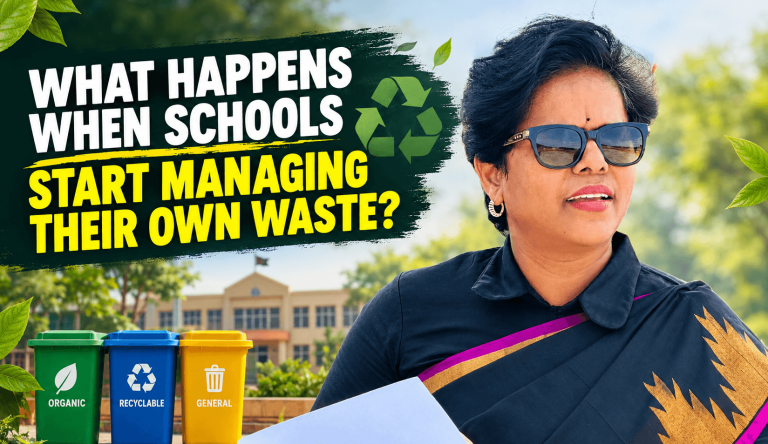
A discarded wrapper, a leaking tap, a light left switched on in an empty room. In the daily life of a school or hostel, these may seem like insignificant things. But multiplied across hundreds of students and institutions, they become part of a much larger environmental problem.
IAS officer Vijaya Krishnan, a 2013-batch officer of the Andhra Pradesh cadre, currently posted as Collector Anakapalli, believes that the answer begins with changing how these everyday spaces function. Under her initiative, schools and residential hostels are being encouraged to do more than maintain clean premises. They are being reimagined as campuses that manage their waste responsibly, conserve water, reduce electricity consumption and compensate for their environmental footprint.
The journey began with a relatively straightforward objective: ensure that school and hostel campuses remain clean, with waste properly segregated and processed. What emerged was a more ambitious effort to move towards net-zero living.
Krishnan is careful about distinguishing the two ideas and acknowledging the government’s role in expanding the initiative. While the initial waste-management effort was developed at the district level, the broader net-zero framework grew after the concept was presented at a collectors’ conference and received the Chief Minister’s approval for wider replication.
The ambition is simple to express but demanding to implement: make environmental responsibility part of the way institutions operate, rather than an activity undertaken only when an officer is watching.
Also read: IRS Naresh Bundel: The Man Digitising Opium Testing and Taking the Fight Against Drugs to Young India
The First Step: Making Every Campus Responsible for Its Waste
The foundation of the programme is waste segregation. Solid waste is divided into wet and dry categories, each with a separate route for disposal.
Wet waste generated in the campuses is decomposed on-site, producing compost that can be used for fruit trees and vegetables grown in the hostels. Dry waste is collected and handed over to local scrap dealers, commonly known as kabadiwalas, ensuring that recyclable material does not simply end up in mixed garbage.
Liquid waste receives equal attention. Grey water, generated through activities such as washing, is directed towards appropriately sized soak pits or connected to the drainage system of the local panchayat or municipality, where available. The size of a soak pit is determined by the number of children living on the premises.
Black water, which contains human waste from toilets, requires a different system. Once the waste accumulates, arrangements are made for its collection and transportation to a treatment plant in the district.
The underlying principle is to prevent untreated waste from entering the environment.
As Krishnan shared in an exclusive conversation with Indian Masterminds, “The idea is to ensure that the waste generated within a school campus is processed rather than merely removed from sight. Cleanliness, in this model, is not about making a place look presentable for a visit. It is about creating a system that continues to work every day.”
“If you implement at the right age, that becomes a habit,” she says, emphasising why schools are central to the effort.
For Krishnan, this is where the initiative acquires significance beyond sanitation. Children who learn to segregate waste, conserve resources and take responsibility for their surroundings carry those habits into adulthood. If India is to keep its public spaces clean, she believes, people must learn to see cleanliness as their own responsibility.
Measuring the Footprint Before Reducing It
Waste management was the starting point, but net zero required a much wider assessment.
Krishnan describes net zero as an effort to offset the environmental impact of human activity. The resources consumed by an institution such as electricity, water and other necessities must be considered alongside measures that reduce consumption or compensate for the impact.
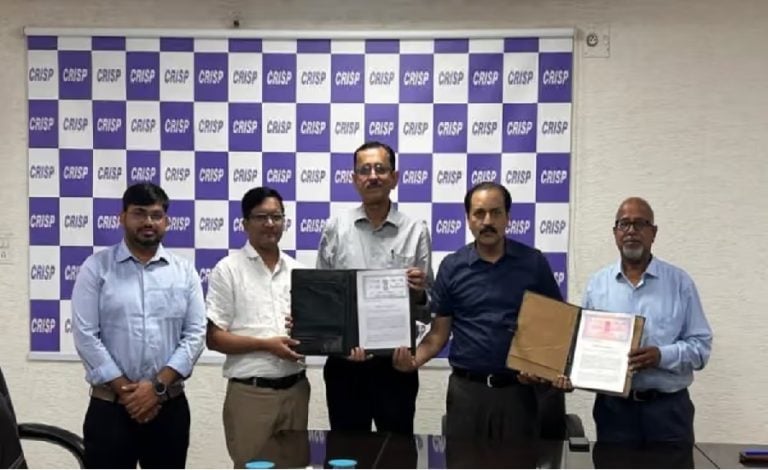
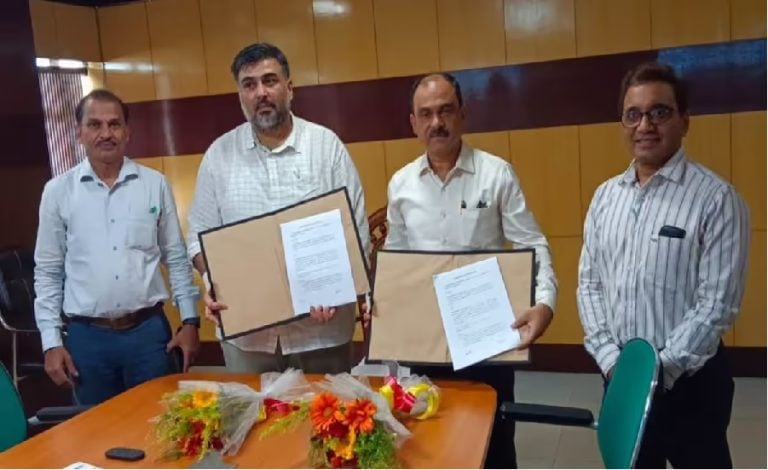
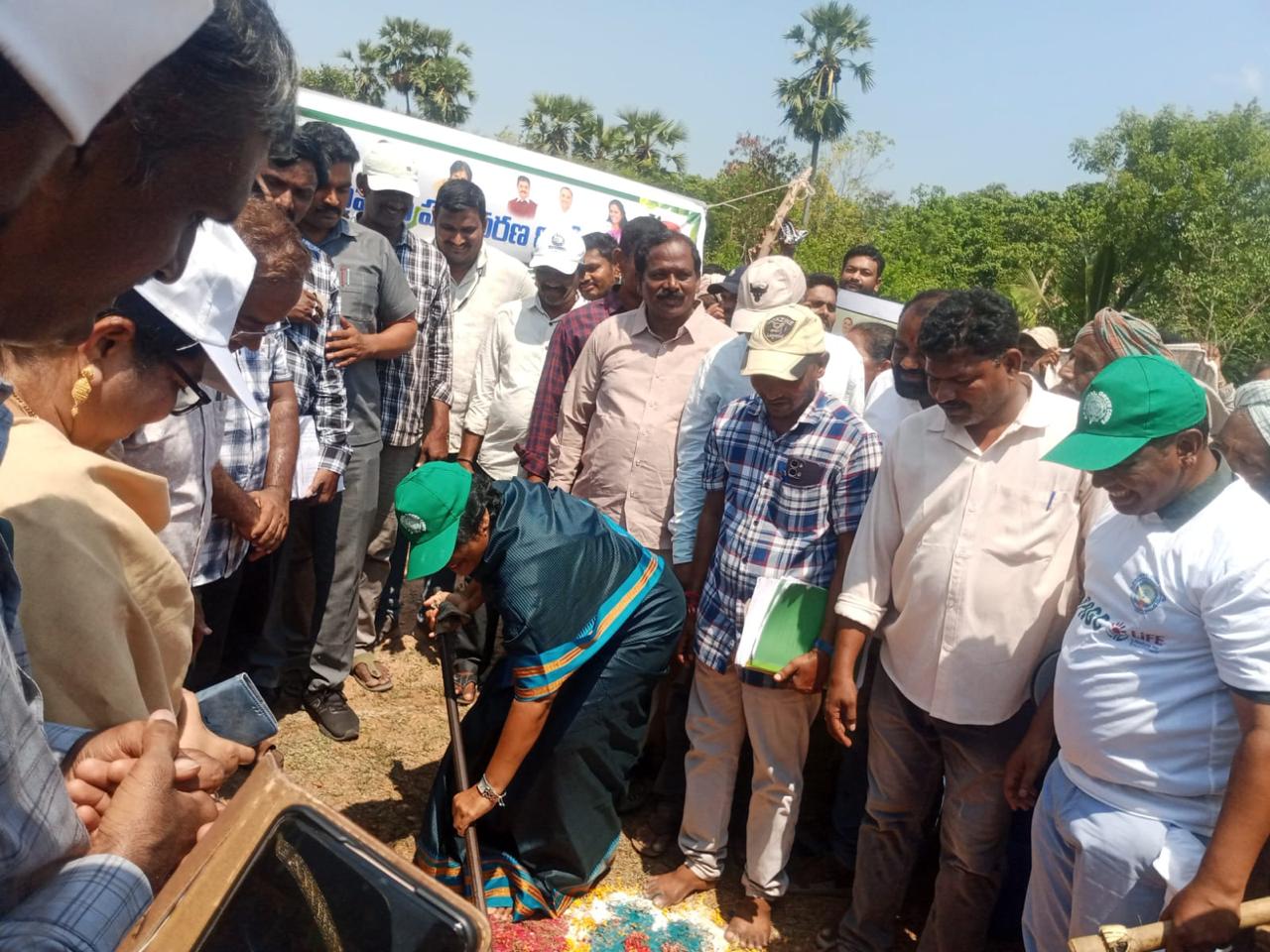
To build this framework, the district administration entered into a memorandum of understanding with Heartfulness Life. Three teams were deployed to survey schools, residential schools and hostels. They assessed the number of children living at each institution, the available open space, the existing tree cover, electricity consumption, cooking-gas use and water consumption.
This baseline assessment became the first step towards identifying what each campus needed to change.
Electricity emerged as a major priority. The administration calculated the average power consumption of the institutions and began installing solar panels to offset that demand. The next stage involved reducing unnecessary consumption through energy-efficient appliances, including five-star-rated fans and lights, and addressing points of electricity leakage.
Solar cookers were also introduced in school kitchens as part of the effort to reduce dependence on conventional energy sources.
The approach was not limited to installing new equipment. It combined cleaner energy with more efficient use of the electricity already being consumed, recognising that genuine progress requires both.
70,000 Trees and a Different Approach to Water
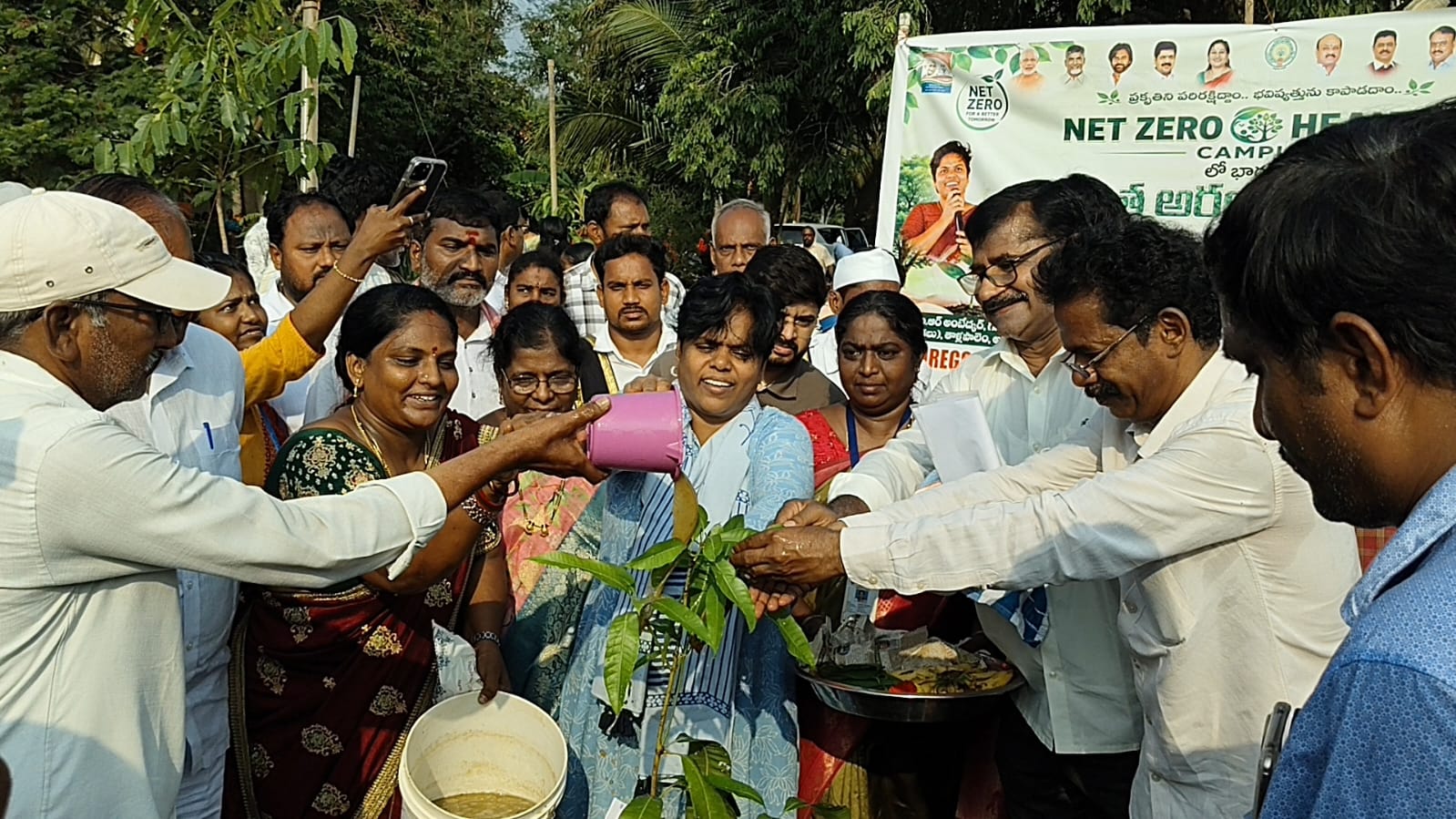
The second major component involved compensating for carbon emissions through plantation.
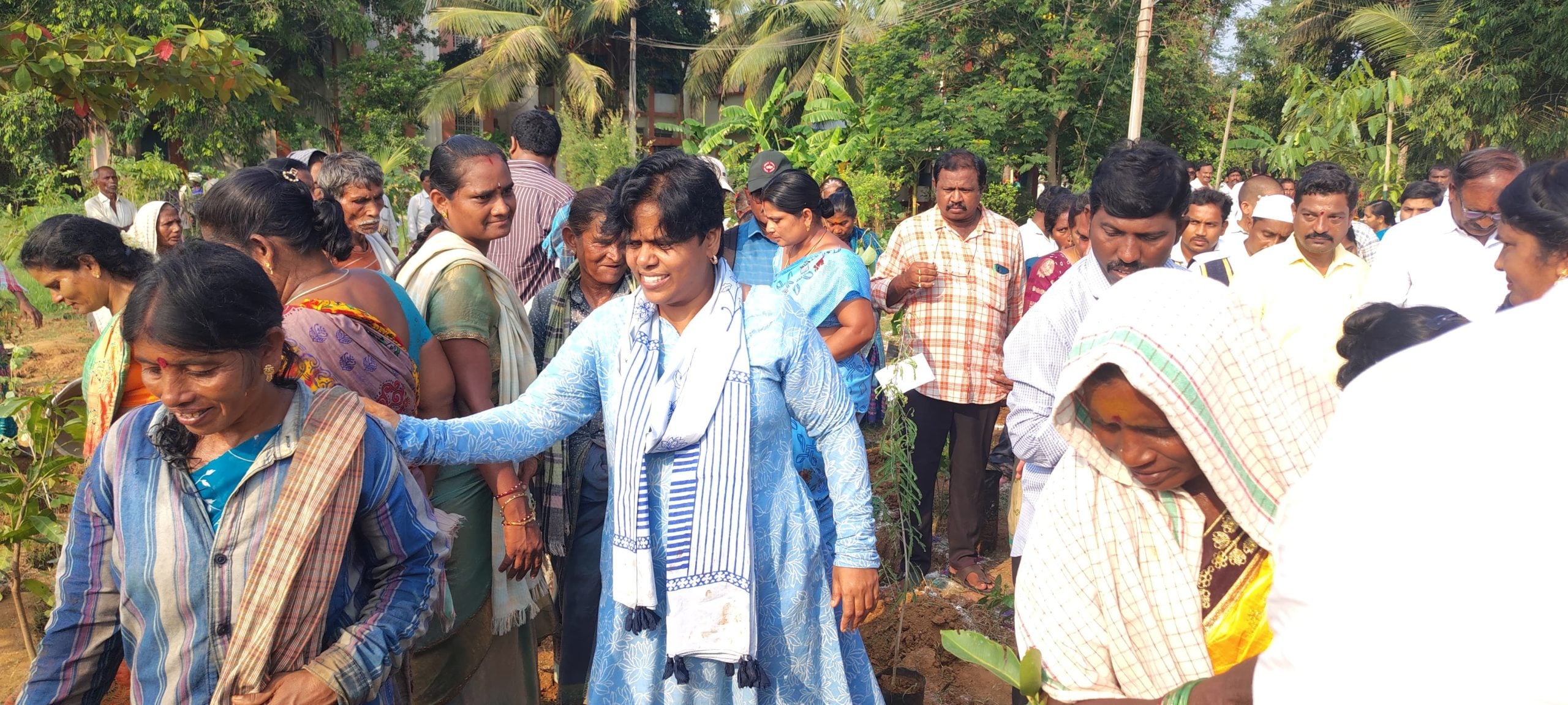
Based on the assessment of the campuses’ environmental footprint, the administration took up ultra-high-density plantation. The model allows approximately 1,600 plants to be accommodated in an area of 25 cents, or roughly a quarter of an acre.
The administration approached the Panchayat Raj Department to facilitate the model through provisions under the government’s rural employment scheme. The department accepted the proposal, helping the programme move beyond conventional plantation drives.
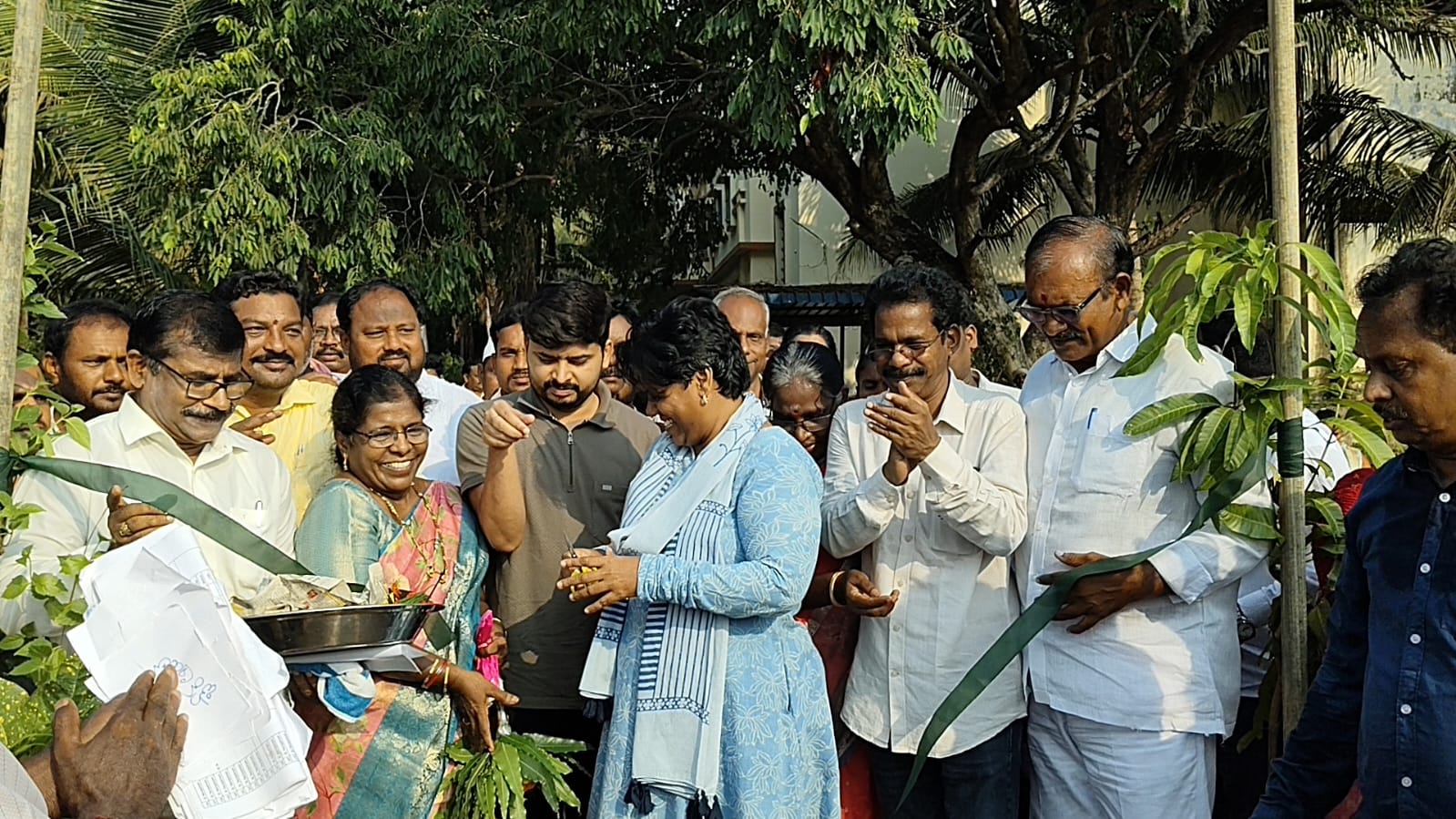
Across the participating schools and hostels, approximately 70,000 trees were planted.
Water conservation forms the third major component. Since water consumption cannot simply be offset by producing an equivalent new resource, the emphasis is on reducing usage and ensuring that water is absorbed into the ground wherever possible. Soak pits and water-harvesting structures are among the measures being adopted.
Krishnan’s approach rests on bringing different government schemes together under one framework. Instead of treating plantations, water harvesting, energy efficiency and waste management as isolated activities, the administration uses existing provisions to advance a common environmental objective.
The Hardest Part Is Changing Habits
Installing solar panels, replacing electrical equipment and building water-harvesting structures require money. But Krishnan identifies another challenge that is less visible and often more difficult to overcome: getting people to change familiar habits.
The administration therefore made awareness and capacity-building central to implementation. School principals and hostel wardens were educated about the purpose of the programme and trained to carry out the required activities. A three-member project management unit at the district level monitors progress, while the survey teams help assess the requirements of individual campuses.
The objective is to build ownership rather than compliance.
She does not want the programme to depend on the presence of a particular collector. If people participate only because an officer has instructed them to do so, the effort risks fading when that officer moves on. The real test is whether the people responsible for running a campus understand the need for the system and continue following it without repeated reminders.
The experience has offered grounds for optimism. According to Krishnan, when children practise waste segregation regularly, the change can become visible within a month or so. They begin doing it on their own, without being told each time.
That shift, she believes, is what makes an environmental programme sustainable.
Teaching Sustainability Before It Becomes a Lesson
A school is more than a place where children learn from textbooks. It is also where they acquire habits that can shape the way they live for decades.
That is the larger possibility behind Vijaya Krishnan’s initiative. A child who learns to separate wet waste from dry waste may carry that practice home. A student who sees compost being used to grow vegetables may understand the value of returning organic matter to the soil. A hostel that begins measuring its electricity consumption can teach students that energy is a resource to be managed, not an unlimited convenience.
For Krishnan, the most meaningful outcome would be a system that no longer needs constant supervision because the people within it have made the practices their own.
Also read: Aryan Chaudhary: Between Office Hours and Running Tracks, He Built His Way to CAPF AIR 182