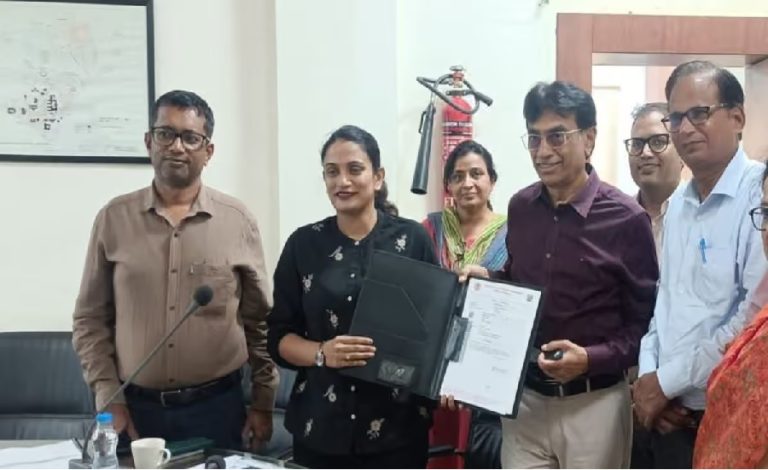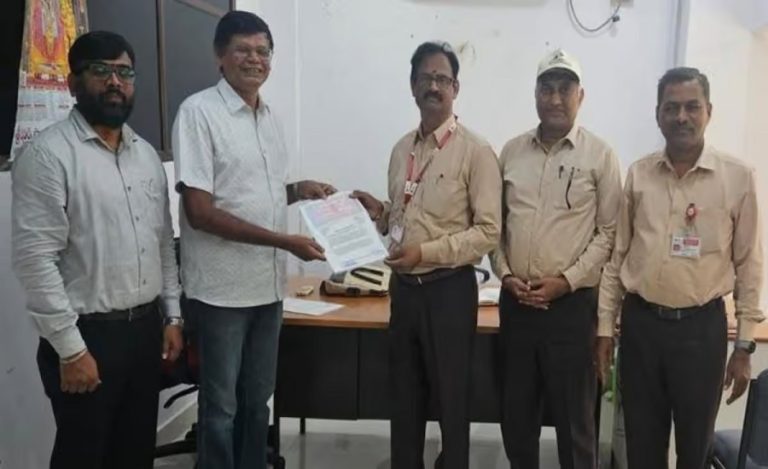
On the searing June 22 morning in Banda district of Uttar Pradesh this year, SDM Amit Shukla found himself surrounded – not by the lawbreakers he was pursuing, but by political muscle. Having launched a raid on illegal sand-laden trucks operating in the Girwan area, Shukla was soon confronted by none other than local BJP MLA Prakash Dwivedi and his supporters. What began as a swift crackdown on sand mining mafia soon turned hostile. The SDM was allegedly assaulted, four men were named in the FIR, and over two dozen others unidentified. Yet, Dwivedi – who admitted to “reprimanding” the officer – walked away untouched by the law he seemed to undermine.
This isn’t an anomaly. It’s a pattern. In state after state, from the heartlands of Uttar Pradesh and Madhya Pradesh to the riverbanks of Bihar, Odisha, and Punjab, sand has become more than just a resource – it’s a currency of power, violence, and silence. And it is the enforcers of the law, from junior constables to senior IAS and IPS officers, who are paying the price with blood and broken bones.
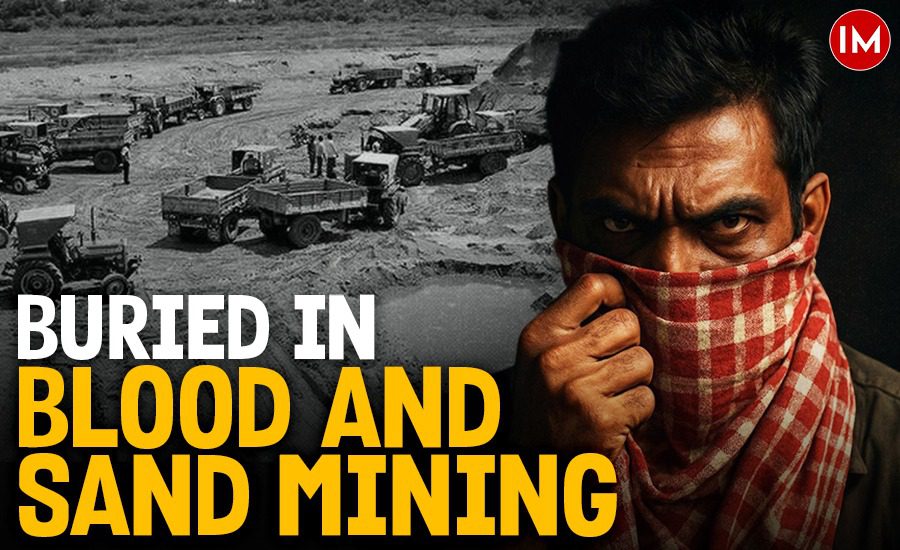
In the heart of India’s rivers and riverbeds, a war is quietly raging – a war over sand. Behind the everyday concrete jungles and soaring real estate lies a brutal, murky empire run by sand mafias who have turned illegal mining into a billion-rupee blood business. With growing infrastructure demand and dwindling resources, sand has become “India’s new gold,” and its control has triggered a nationwide trail of violence, corruption, and impunity.
The menace of the sand mafia is not new, but its brazenness is reaching chilling new heights. In Odisha’s Mayurbhanj district on June 2, 2025 Additional Tehsildar Bhimakanta Majhi was ambushed by a 20-member biker gang. His official vehicle was smashed with stones and bricks. He was beaten for doing his job – attempting to stop illegal sand mining near the Sono riverbed. Arrests were made, yes, but the masterminds – the financiers, the protectors – remain untouched.
The danger isn’t just physical. It’s systemic. Back in 2012, IPS officer Narendra Kumar Singh, just 30 years old, was crushed to death by a tractor in Morena, Madhya Pradesh. He had tried to stop the illegal transport of stones mined from riverbeds. His tragic death made national headlines, sparking demands for a judicial probe.
But over time, the narrative was narrowed to the tractor driver – Manoj Gurjar – who was eventually sentenced to 10 years of rigorous imprisonment. No broader conspiracy was acknowledged. His widow, IAS officer Madhurani Tewatia, said it best: “Don’t stop with the driver. Go till the end. The driver’s bosses and backers are the real culprits. They should be punished too.”
And yet, the end never comes. The mafias operate with political cover, local patronage, and at times, active protection from elected representatives. In UP’s Bundelkhand, the mafia is reportedly controlled by musclemen aligned to political parties. In Bihar, mafia lords like Uday Singh dominate sand tenders. Subhash Prasad Yadav—Lalu Yadav’s brother-in-law – was arrested last year for laundering Rs 161 crore through sand mining proceeds. In Haryana’s Aravalli region, the likes of Hanif and Shaukat have long eluded justice, thanks to alleged protection from panchayat members and political figures.
This criminal-political nexus thrives on a simple truth: sand equals money. With India’s construction boom showing no signs of slowing, the demand for sand has turned rivers into battlegrounds. The illegal trade is estimated to be worth over Rs 20,000 crore annually. And unlike drugs or weapons, sand is harder to trace and easier to excuse.
But the question looms large: why are those who enforce the law so poorly protected by it? Officers like Shukla, Majhi, and Kumar don’t just fight a mafia – they fight a system that often leaves them to fend for themselves. No drones, no backup, no political backing. FIRs are watered down, attackers are bailed, and inquiries dissolve into silence.
But why does this war on sand continue with such one-sided casualties?
Firstly, there is no political will. Officers risk their lives, but when they act, local politicians often side with the mafia – either to protect vote banks or for direct economic gain. FIRs become bargaining chips, not tools of justice.
Secondly, enforcement lacks institutional support. Officers are sent on raids with minimal backup, no drone surveillance, and no protective cover. Judicial proceedings drag for years, and convictions – when they happen – target foot soldiers, not masterminds.
Thirdly, India’s construction boom fuels the beast. With the government itself pushing for rapid infrastructure growth, controlling demand-driven crimes like illegal sand mining becomes politically inconvenient.
This raises urgent questions: Why are senior officials sent to minefields without any real support? Why hasn’t there been a central crackdown or task force against the sand mafia like we’ve seen for narcotics or cybercrime? Why are politicians not held accountable when found shielding these syndicates?
The silence around these questions is deafening.
India’s sand mafia is not just an environmental threat – it’s a criminal insurgency against the rule of law. Every time an officer is assaulted, every time a tractor crushes a cop, it’s democracy that’s being rolled over. Until the political class is willing to dig into this rot – not just the riverbed – more blood will soak into the sand.
Until India treats this not as a law and order issue, but as a criminal insurgency, little will change. The sand mafia doesn’t just erode riverbanks; it erodes governance, accountability, and public faith. From Banda to Morena, the message from the frontline is clear: either the law is made to stand up for its enforcers—or it will be run over again.