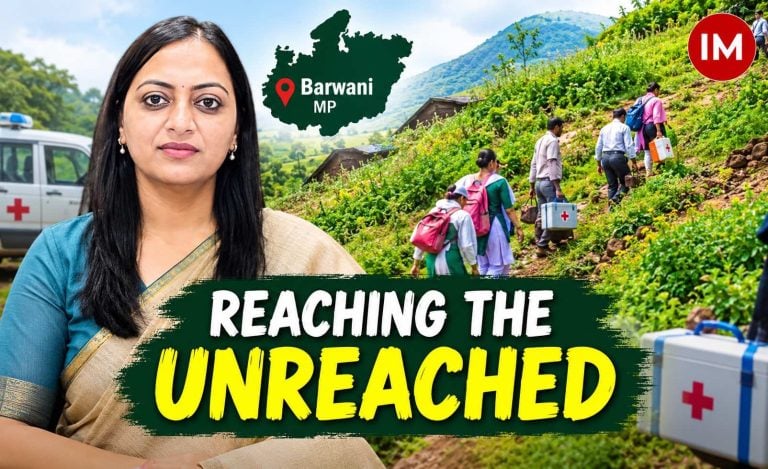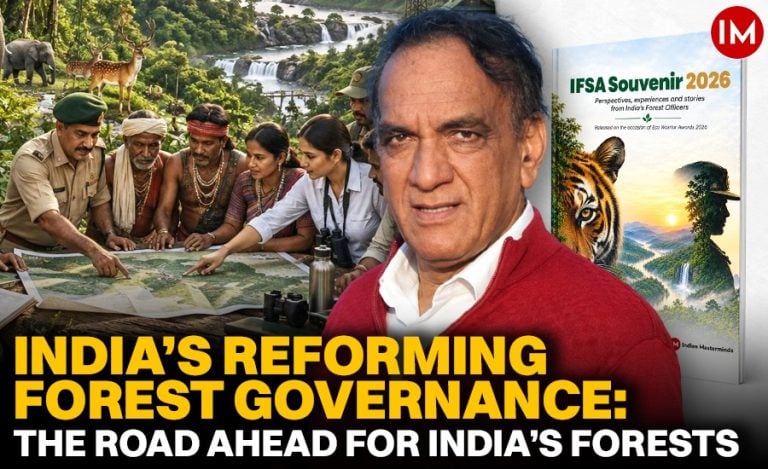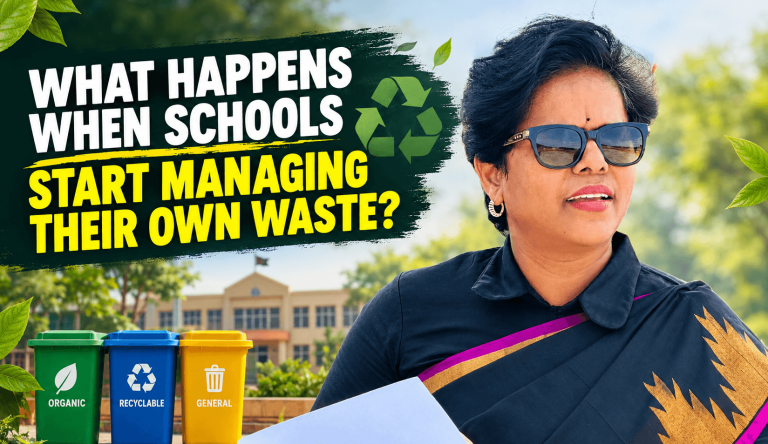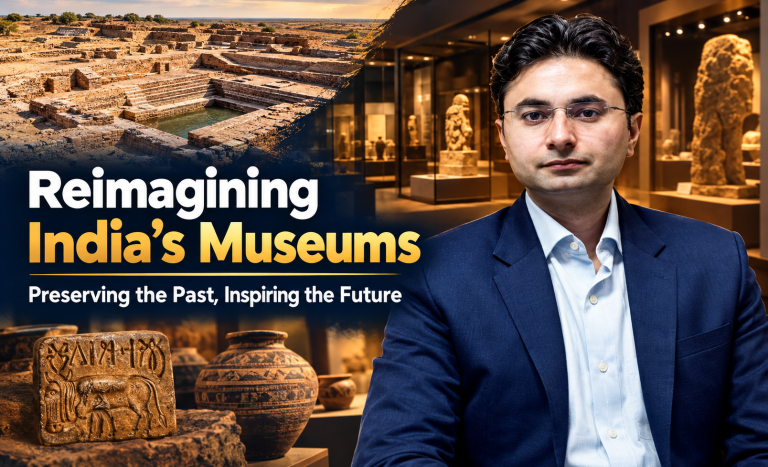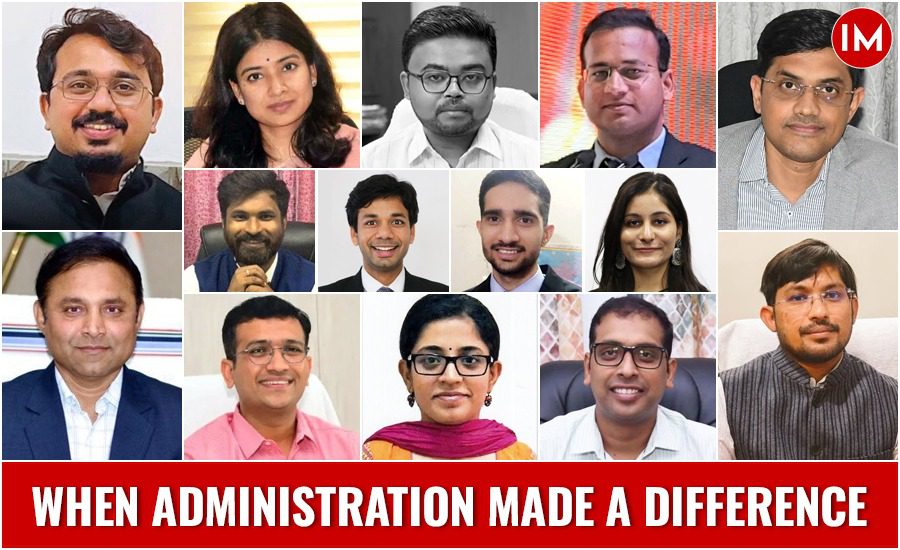
As India reflects on 2025, the year stands out not just for policy decisions taken in capitals, but for quiet transformations unfolding in districts, villages, forests, and small towns. Away from headlines and television debates, these officers worked closely with communities to solve problems that had lingered for decades—plastic waste, malnutrition, conflict-era neglect, environmental damage, and social exclusion.
This is a rewind of 2025 through fourteen such initiatives. Each story is rooted in local realities and shaped by administrative imagination, community participation, and sustained execution. These officers did not rely on extraordinary budgets or temporary campaigns. Instead, they focused on workable solutions that addressed daily challenges faced by ordinary citizens. Together, these efforts show how governance, when grounded and empathetic, can deliver lasting change.
STEEL BANKS: REPLACING PLASTIC WITH TRADITION IN TELANGANA’S SIDDIPET
In Siddipet district of Telangana, IAS officer Garima Agrawal (2019 batch) addressed plastic pollution by returning to a familiar cultural practice—using steel utensils. The “Steel Banks” initiative, launched in 2023, began with a simple step: replacing plastic bottles, cups, and plates with steel alternatives during official meetings and public events.
The idea expanded rapidly. Steel utensil banks were set up across 499 gram panchayats and five municipalities. Self-help groups were involved not only in managing the utensils but also in spreading awareness about the health risks of microplastics. Each event prevented 6–8 kilograms of plastic waste, adding up to nearly 28 quintals every month.
Funded through local budgets, CSR contributions, and political donations, the programme was reinforced by enforcement of existing plastic regulations. Its success prompted replication in Rajasthan, proving that environmental action can succeed when it aligns with social habits rather than fighting them.
HOW TINSUKIA FREED ITSELF FROM GARBAGE MOUNTAINS
Tinsukia in Assam had lived with dumping grounds that were over five decades old. Under IAS officer Swapneel Paul (2018 batch), the district undertook one of the Northeast’s most ambitious waste-cleanup operations.
In one year, 1.53 lakh metric tonnes of legacy waste were cleared through bio-mining and bio-remediation, with technical guidance from IIT Guwahati. Waste was segregated scientifically—organic matter converted into compost, recyclables processed, and refuse-derived fuel sent to cement plants.
Over 50 acres of land were reclaimed. At Doomdooma, the former dumping site now houses a public park and restored waterbodies. Tingrai’s reclaimed land is being prepared for urban development. The initiative, recognised with the Indian Express Excellence in Governance Award 2025, showed how science-led administration can turn long-standing public health hazards into usable civic spaces.
INCENTIVISING PLASTIC COLLECTION IN WEST BENGAL
Dakshin Dinajpur district in West Bengal took a different route to tackle plastic waste. IAS officer Naveen Kumar Chandra (2018 batch) launched “Waste to Wealth,” an incentive-based model that encouraged citizens to deposit plastic bottles at designated collection points.
In return, participants received benefits such as discounts on healthcare services, books, and daily essentials through partnerships with private firms. The collected plastic was crushed and reused for recycling and road construction.
Schools, panchayats, and mobile collection units played a central role. The approach addressed behavioural change directly, making cleanliness rewarding rather than punitive. Thousands of bottles were diverted from drains and fields, improving sanitation while strengthening rural infrastructure.
REBUILDING EDUCATION IN A CONFLIC ZONE: BHOOMKAL SCHOOL IN ABUJHMARH
In Rekawaya village of Chhattisgarh’s Abujhmarh region, schooling had collapsed during years of Maoist influence. Children studied under makeshift arrangements even after the area returned to administrative control.
IAS officer Vasu Jain sanctioned ₹12 lakh from the District Mineral Foundation to rebuild the abandoned school. Transporting construction material across the Indravati River and forested terrain required boats and long treks.
The completed Bhoomkal School now stands as a permanent institution of learning. More than a building, it represents the state’s renewed presence in a region long cut off from basic services.
THREE PROJECTS, ONE GOAL: INCLUSIVE GROWTH IN MIZORAM’S LUNGLEI
Lunglei district in Mizoram faces geographical isolation and limited infrastructure. IAS officer Navneet Mann (2020 batch) addressed these challenges through three focused initiatives—LEAP, BLOOM, and HealthyLunglei.
LEAP identified 1,500 persons with disabilities, providing mobility aids and assistive devices to over 740 individuals. BLOOM improved maternal and child healthcare by setting up waiting rooms, nutrition support, and transport facilities. HealthyLunglei screened over 3,000 residents for non-communicable diseases through mobile health camps.
Each project relied on data mapping, inter-departmental coordination, and community participation, ensuring services reached those often left out of mainstream development.
PISCICULTURE AS LIVELHOOD: WOMEN LEAD CHANGE IN ODISHA’S KENDRAPARA
In Kendrapara, Odisha, IAS officer Suryawanshi Mayur Vikas (2018 batch) transformed unused panchayat ponds into income-generating assets for women.
Over 2.6 lakh women from self-help groups were engaged in pisciculture by leasing ponds collectively. Each hectare yielded 4–5 tonnes of fish annually, generating incomes of up to ₹3 lakh. Training in processing and marketing dried fish expanded earning opportunities.
The programme revived water bodies, strengthened women’s financial independence, and challenged traditional gender roles. Its success has led to expansion in neighbouring districts like Balasore.
EDUCATION WITH SENSITIVITY: A SCHOOL FOR THE JAWARA TRIBE
In the Andaman Islands, governance requires careful balance. IFS officer Dr. Abdul Qayum (2013 batch) led the construction of a durable school for the Jarawa tribe without disrupting their way of life.
Built using materials transported by boat and foot, the structure mirrors traditional Jarawa shelters. The curriculum includes teaching in the local dialect, while healthcare access and livelihood support initiatives run alongside.
Inaugurated by Jarawa elders, the school serves 250–400 children and marks a trust-based approach to education for one of India’s most isolated communities.
VARANASI’S SOLID WASTE MODEL
Varanasi’s push towards ODF Plus status was strengthened under IAS officer Himanshu Nagpal (2019 batch). Over 1,200 villages adopted structured waste management systems.
Resource Recovery Centres, soak pits, and QR-coded collection vehicles improved accountability. Women-led self-help groups managed waste collection, creating local employment. Around 80 tonnes of plastic were reused in road construction, and monthly revenues crossed ₹30 lakh.
Consistent monitoring and community incentives helped overcome initial resistance, making the system sustainable.
ENDING BEGGING THROUGH REHABILITATION
Indore tackled begging through a structured rehabilitation strategy under IAS officer Asheesh Singh (2010 batch).
The approach involved rescuing children, counselling elderly beggars, dismantling organised begging networks, and enforcing penalties on alms-giving. Nearly 3,000 individuals were rehabilitated through skill training, shelters, and employment support.
The programme restored dignity to vulnerable populations while addressing exploitation, offering a replicable urban model.
FIGHTING SICKLE CELL DISEASE IN MAHARASHTRA’S NANDURBAR
Nandurbar district has one of the highest incidences of sickle cell anaemia. IAS officer Mittali Sethi (2017 batch) launched a district-wide screening programme targeting two million people.
Using molecular testing in collaboration with CCMB, the initiative decentralised treatment, formed patient support groups, and conducted awareness campaigns in tribal languages. Special focus was placed on pregnant women and newborns.
The programme combined healthcare delivery with social security measures, improving early diagnosis and long-term care.
EARLY CHILDHOOD EDUCATION REFORM IN KARNATAKA’S KOPPAL
IAS officer Nalini Atul (2014 batch) implemented the “Poshan Bhi, Padhai Bhi” programme in Koppal, aligning with the National Education Policy 2020.
Over 1,800 Anganwadi workers were trained in play-based learning, benefiting 1.35 lakh children. Parents were involved through digital platforms and community events.
The initiative strengthened foundational learning and nutrition together, and has since influenced similar programmes in other states.
URBAN GREENING BEFORE MAHA KUMBH: PRAYAGRAJ’S MIYAWAKI FORESTS
Ahead of Maha Kumbh 2025, IAS officer Chandra Mohan Garg (2016 batch) led the creation of Miyawaki forests across Prayagraj.
Over 1.2 lakh native trees were planted on 55,800 square metres, including former dumping sites like Baswar. These dense plantations improved air quality, reduced heat, and enhanced biodiversity.
The forests added environmental value to religious infrastructure, ensuring long-term ecological benefits.
MISSION 45: RAPID RESPONSE TO MALNUTRITION IN BHAGALPUR
Bhagalpur district in Bihar faced alarming malnutrition levels until IAS officer Dr. Nawal Kishore Choudhary (2013 batch) launched Mission 45 Care@Door.
In 45 days, 9,500 malnourished children were identified and treated through targeted nutrition, medical care, and parental counselling. Community events were used to spread awareness.
Malnutrition rates dropped to 0.21 percent, making the model suitable for replication across aspirational districts.
TURNING DEVOTIN INTO SUSTAINABILITY
In another initiative from Varanasi, IAS officer Akshat Verma (2017 batch) addressed plastic pollution by repurposing clothes offered at ghats.
Collected garments were stitched into cloth bags by women’s self-help groups and distributed free of cost. Over one lakh bags have already replaced plastic alternatives, with plans to scale up to three lakh.
The programme cleaned riverbanks, generated livelihoods, and linked cultural practice with environmental responsibility.
LOOKING BACK AT 2025
These fourteen initiatives from 2025 show what administration can achieve when officers listen closely to communities and adapt solutions to local conditions. From schools in conflict zones to plastic-free villages, from healthcare outreach to environmental restoration, each effort demonstrates that effective governance does not always require sweeping reforms—often, it begins with understanding people’s everyday needs.
As India moves forward, these stories serve as reminders that lasting development is built district by district, through steady work, collaboration, and accountability at the ground level.