
In 2018, Palamau Tiger Reserve faced a moment no forest ever wants to witness. The All India Tiger Estimation report released in May–June 2019 declared the unthinkable: zero tigers.
For a reserve that holds a special place in global conservation history, the silence was deafening.
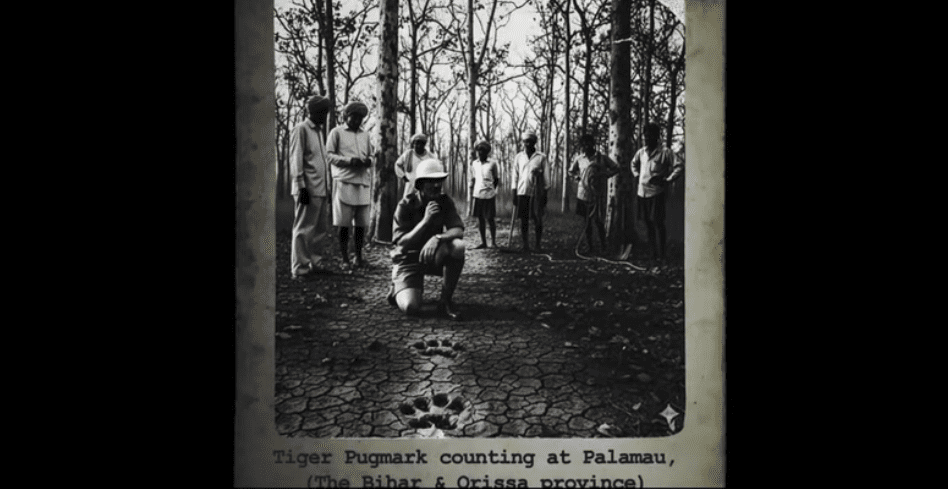
Palamau is not just another protected forest. It was among India’s first nine tiger reserves under Project Tiger in 1973. Even before that, these forests had entered history books. In 1932, the world’s first tiger census was conducted here, without cameras, by British officer J.W. Nicholson. More than 50 tigers were recorded then, counted by footprints and field knowledge alone.
This was once the land where the wind brushing against sal trees was said to sound like a tiger’s roar.
And yet, by 2018, the roar was gone.
A FOREST WITH A HEAVY PAST
Located on the Chota Nagpur Plateau, Palamau’s story mirrors the region’s turbulent history. Once the hunting grounds of Chota Nagpur’s royalty, the forests later became a sanctuary for wildlife. Over time, roads cut through jungles, railway lines sliced corridors, villages expanded, and the 1980s–90s brought Naxal unrest that weakened protection.
Human pressure steadily grew. Villages remained inside the core area. Hunting, rooted in tradition, continued despite arrests and legal action. Development inside the forest was restricted, but relocation never happened.
For nearly five decades after 1973, not a single village was relocated out of Palamau’s core. When IFS Kumar Ashish took charge as Deputy Director, Palamau Tiger Reserve, he inherited not just a forest, but a long list of unresolved problems.
“When I saw the ground reality, it was clear that unless the basic structural issues were fixed, wildlife recovery was not possible,” he shared in an exclusive conversation with Indian Masterminds.
FIXING THE CORE
Tiger conservation depends on one non-negotiable principle: a disturbance-free core area.
But in Palamau, the area that should have been core was officially marked as buffer. Critical forests lay fragmented. Human movement, cattle grazing, vehicles, and daily activity continued inside zones meant for breeding.
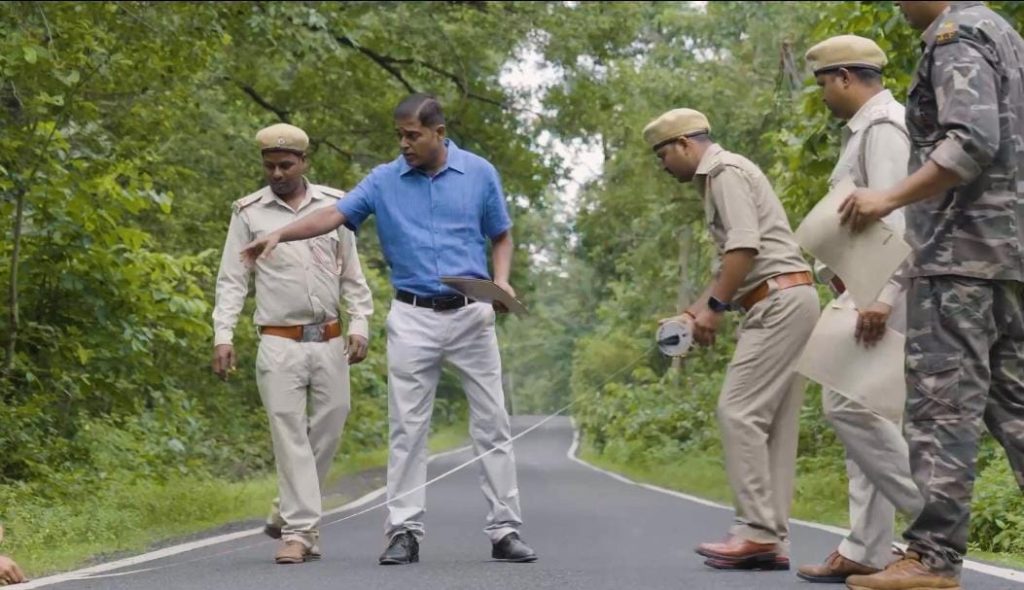
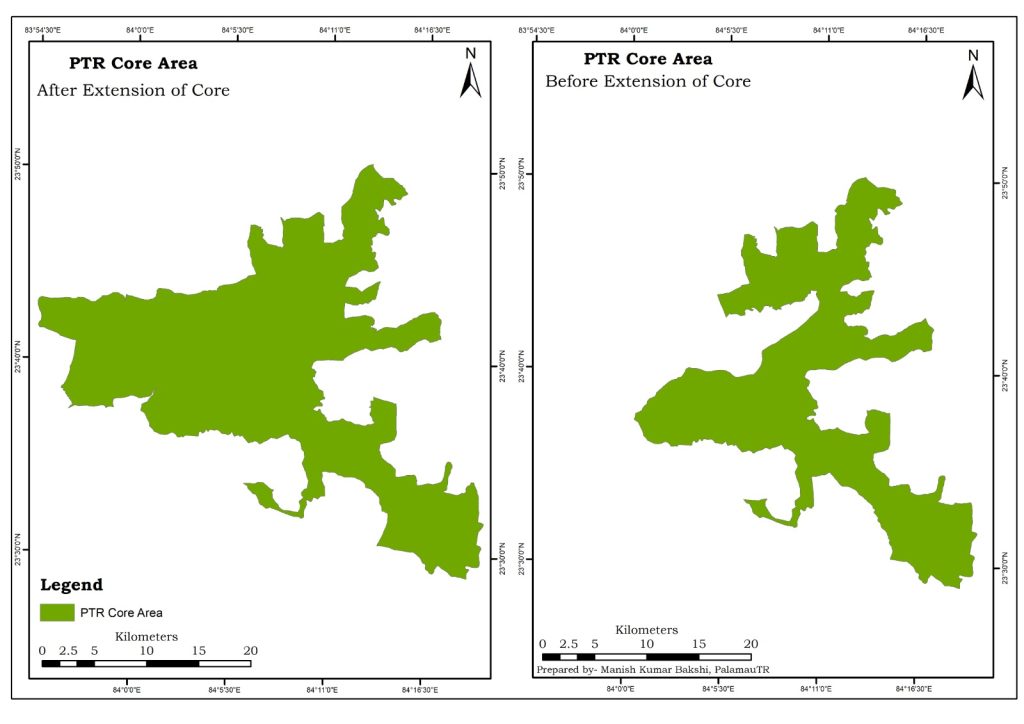
Ashish’s first move was technical but crucial. He proposed expanding the notified core area, bringing vital forest patches into it and correcting past classifications.
The result: Palamau’s core area expanded from 414 sq km to 545 sq km.
“This was the foundation. If the core is not protected, no amount of patrolling or awareness can bring tigers back,” he explains.
MOVING VILLAGES, NOT PEOPLE’S TRUST
Relocation is often the most sensitive word in conservation. In Palamau, it was also the biggest challenge.
Villagers had lived inside the forest for generations. They lacked electricity, roads, schools, and healthcare, but the forest was their only world. There were no nearby examples of successful relocation to build confidence.
“When there is no example, fear takes over. People worry, ‘will we be abandoned later? Will promises be kept?’” Ashish recalls.
The first village chosen was Jaigir.
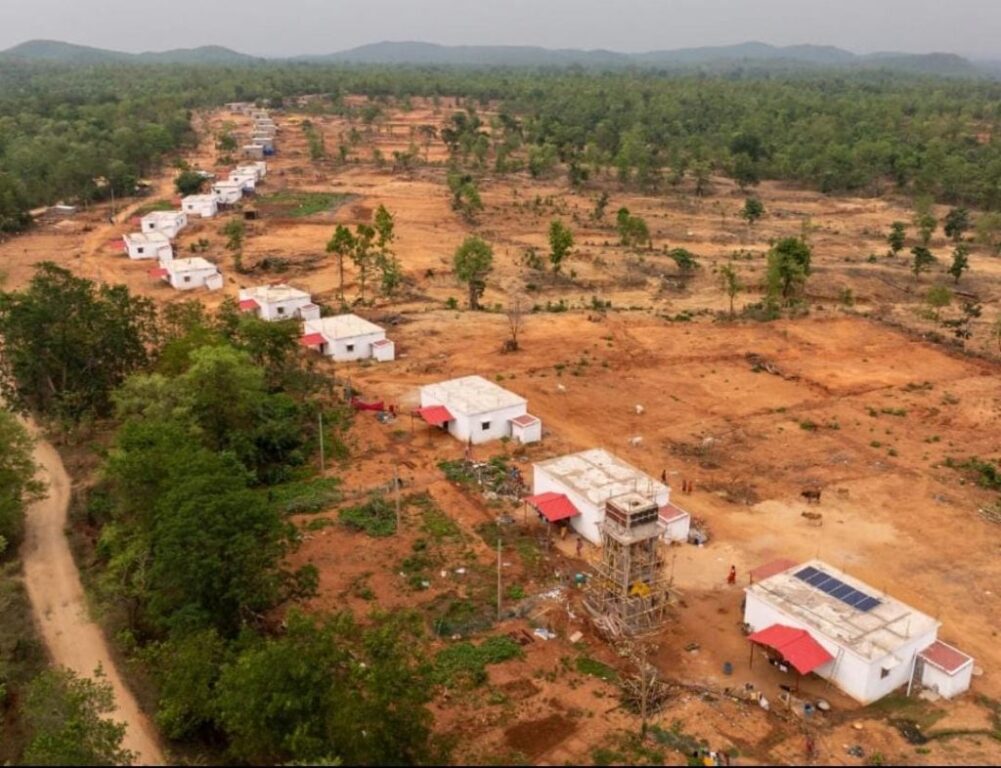
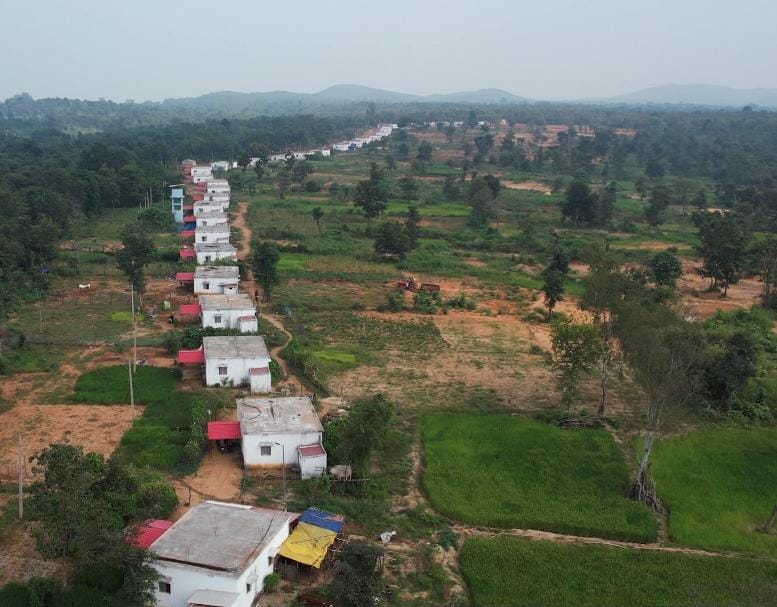
A completely new settlement was developed along the Daltonganj highway with houses, electricity, drinking water, schools, and livelihood access. Water for farming was arranged through canals stretching nearly two kilometres.
Children began attending schools. Roads replaced forest footpaths. Healthcare became reachable.
“For wildlife, space opened up. For people, opportunities opened up. That is when relocation started making sense to everyone,” he says.
So far, two villages have been relocated, and discussions are underway with 18 villages. In total, 35 villages fall within the core. The process is slow, but now, visible change has replaced suspicion.
CUTTING THROUGH THE FOREST
Palamau’s problems weren’t limited to villages.
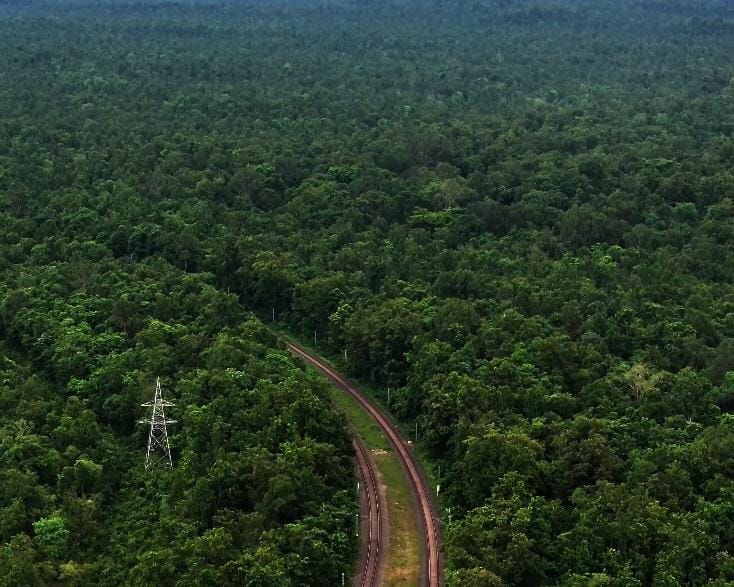
A British-era railway line from 1922 cut through the reserve. It was doubled in 1976. When Ashish arrived, a proposal for a third line, to transport Jharkhand’s coal, was on the table.
Wildlife deaths were a constant risk. Animal movement between the forest’s two halves was already restricted. Ashish proposed something bold: Move all three railway lines outside the tiger reserve.
“Why add a third line inside the forest when the old ones can also be shifted out?” he asked railway authorities.
It took years of meetings with the Railway Board in Delhi and the Ministry, but the logic worked. Shifting the tracks outside would also allow higher train speeds and better efficiency.
The Railway Board agreed. Work has begun.
A similar approach was taken with a state highway cutting through Palamau. Instead of widening it inside the forest, a proposal was cleared to reroute it through nearby villages, benefiting local people while reducing wildlife disturbance.
Development, Ashish argued, should not come at the cost of a forest’s survival.
WHEN LAW FAILED, FAITH SPOKE
Eastern India’s forests carry deep hunting traditions. In Jharkhand and Chhattisgarh, hunting is cultural, not commercial. Arrests and legal action had a limited impact in Palamau.
Ashish realised enforcement alone would not work. The answer lay in belief.
Most villages worship Van Devi, the forest goddess. The Kesra Chandi temple holds immense influence. The message was reframed, not as a law, but as faith.
“If the forest is Van Devi’s creation, then wildlife is part of that creation. Harming animals means harming what you worship,” Ashish told village gatherings.
During Wildlife Week, usually a Forest Department event, something unprecedented happened.
Villagers took charge.
WHEN WILDLIFE WEEK BECAME A PEOPLE’S FESTIVAL
At Garu’s Plus Two School ground, 35 villages came together. There were folk dances, songs, Ramayana recitations, and nature worship, each carrying a conservation message.
People honoured traditional leaders. They took oaths not to cut trees, to plant saplings, and to protect forests. For the first time, villagers invited forest officials as guests.
The final day changed Palamau’s story.
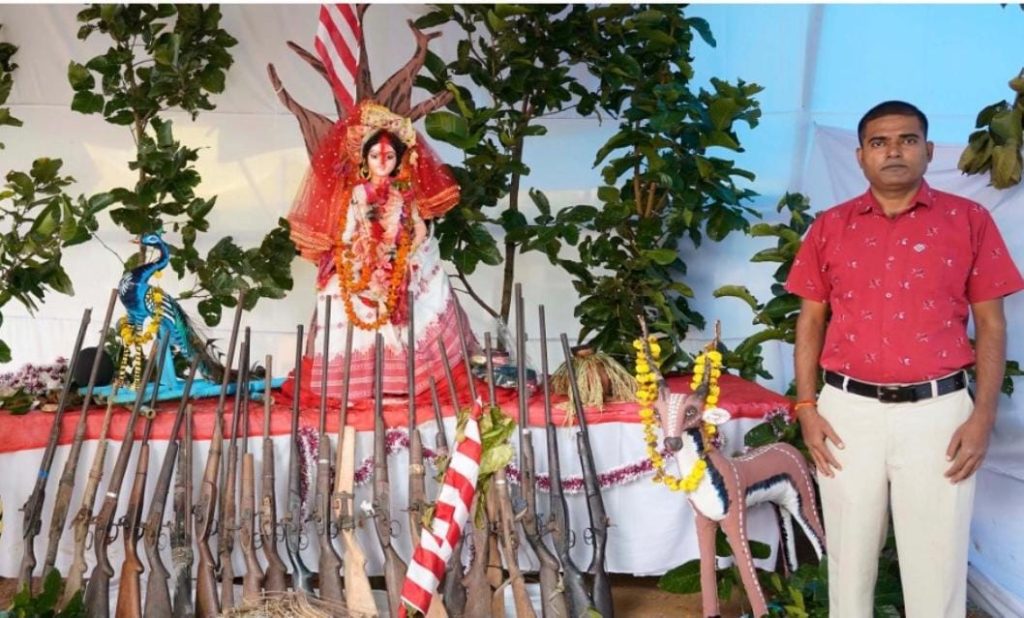
Active hunters stepped forward. Before the idols of Van Devi and Prakriti Devi, they surrendered 23 country-made guns, along with hunting nets and slingshots.
“This was something no enforcement drive had ever achieved,” Ashish told Indian Masterminds. “It came from within.”
The message spread beyond the festival. Even after Wildlife Week ended, villagers continued approaching officials, reaffirming their pledge to stop hunting.
Trust replaced fear.
A FOREST PREPARING FOR THE RETURN
Palamau is not claiming instant miracles. Tigers do not return overnight.
But the conditions are changing.
Relocations are freeing up space. Railways and roads are moving out. Grasslands are being planned. Herbivore populations are expected to rise. Corridors linking distant reserves can restore genetic flow.
Tourism potential, from Netarhat and Ghaghri waterfalls to Lodh Falls, Kamal Dah, and Suggabandh Dam, is being developed carefully, without disturbing core areas.
“The forest has started breathing again,” Ashish says.
FROM ZERO TO HOPE
Once, Palamau counted zero tigers.
Today, it is counting on something else: belief, space, and patience.
The roar has not yet returned in full. But the silence is no longer empty.
Because when villages move with dignity, when faith protects wildlife, and when development steps aside for nature, a forest remembers what it once was.
And Palamau remembers.