Where mining leaves behind barren mountains of overburden, unstable slopes and landscapes stripped of their ecological value, restoration is rarely a simple plantation exercise. It is a long, demanding process that requires science, persistence, innovation and strong field leadership.
For Ms S. Deepika (IFS:2020), Divisional Manager, Chhindwara Project Division, MPPRVVN, these challenges became an opportunity to demonstrate how degraded mining landscapes can be brought back to life. Through large-scale ecological restoration across mining areas of Madhya Pradesh and Maharashtra, she has helped transform barren mine dumps into developing green ecosystems, combining indigenous plantations, pollution-mitigating green belts, high-density Miyawaki plantations and sustained monitoring.
Under her leadership, nearly 1,500 hectares of degraded mine-dump and overburden land have been taken up for scientific restoration, while more than 30 lakh trees have been planted across Western Coalfields Limited (WCL) areas. Despite difficult terrain, poor soils, erosion, fire risks and harsh climatic conditions, the plantations have achieved nearly 80 per cent survival, demonstrating the impact of careful planning and persistent field supervision.
For Deepika, however, the initiative is about more than simply putting trees into the ground. It is about creating forests that can survive, stabilise damaged landscapes and eventually become self-sustaining ecosystems.
How it started: Forestry with a larger purpose
An Indian Forest Service officer of the 2020 batch from the Madhya Pradesh cadre, Deepika is working with the state’s forest development corporation, where forestry is approached not only from an ecological perspective but also with an emphasis on economic sustainability.
“Actually, in Madhya Pradesh, I am working in the Van Vikas Nigam. It is a company, but it is made with the intention of how we will bring forestry profitably,” she explained while speaking with Indian Masterminds.
The organisation undertakes forestry activities similar to those carried out by other forest departments, but with an additional objective – generating economically sustainable revenue from forestry activities. Timber plantations and their eventual production form one part of this model.
Read Also: From Forests to Wetlands: The Conservation Leadership Transforming Odisha’s Wild Landscapes
The larger opportunity came through taking up environmental restoration projects for industries that require green belts and plantations as part of their environmental clearances.
Among these projects are coal-mining areas where ecological restoration is particularly challenging.
Taking on mining’s toughest terrain
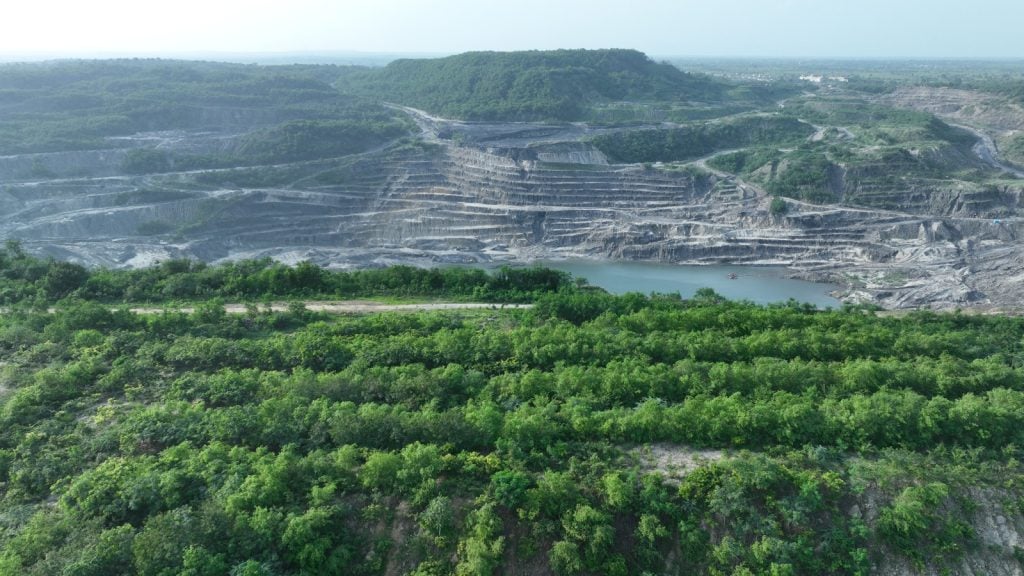
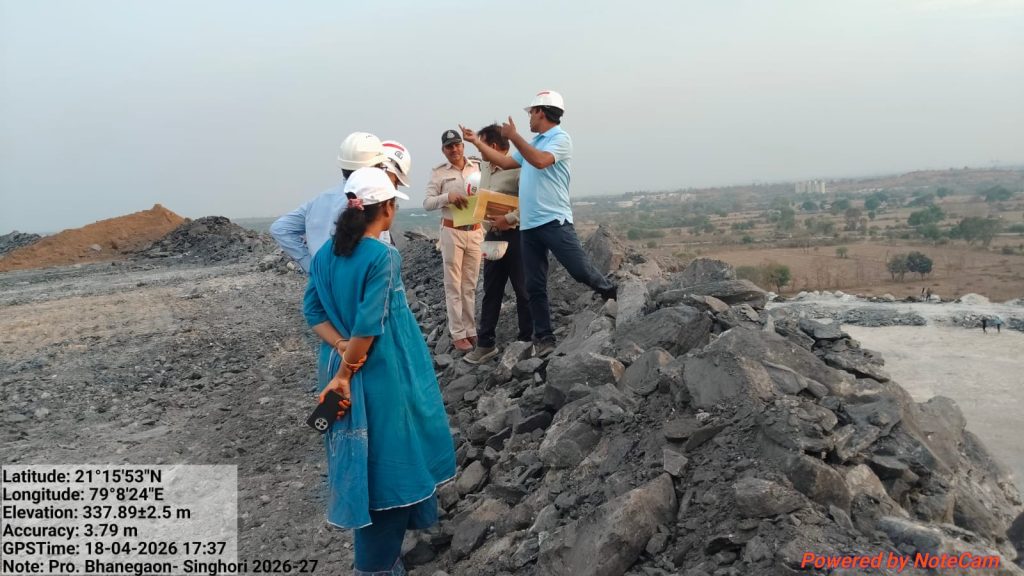
Mining landscapes present a very different challenge from conventional plantation sites. Open-cast mining produces huge quantities of overburden, which are often dumped into massive formations. These slopes can remain unstable, particularly during heavy rainfall, while the soil may lack the nutrients and moisture-retention capacity required for conventional plantation.
IFS Deepika’s division took up the challenge in WCL mining areas spread across Madhya Pradesh and Maharashtra.
Although posted in Chhindwara district, her responsibilities extend into the Nagpur-Chandrapur-Ballarpur mining belt of Maharashtra and towards the Maharashtra-Telangana border. Managing these geographically dispersed projects requires extensive travel, coordination with mining units and continuous field monitoring.
“We are taking projects of around 1500 hectares. We are reclaiming the coal mining areas,” she said.
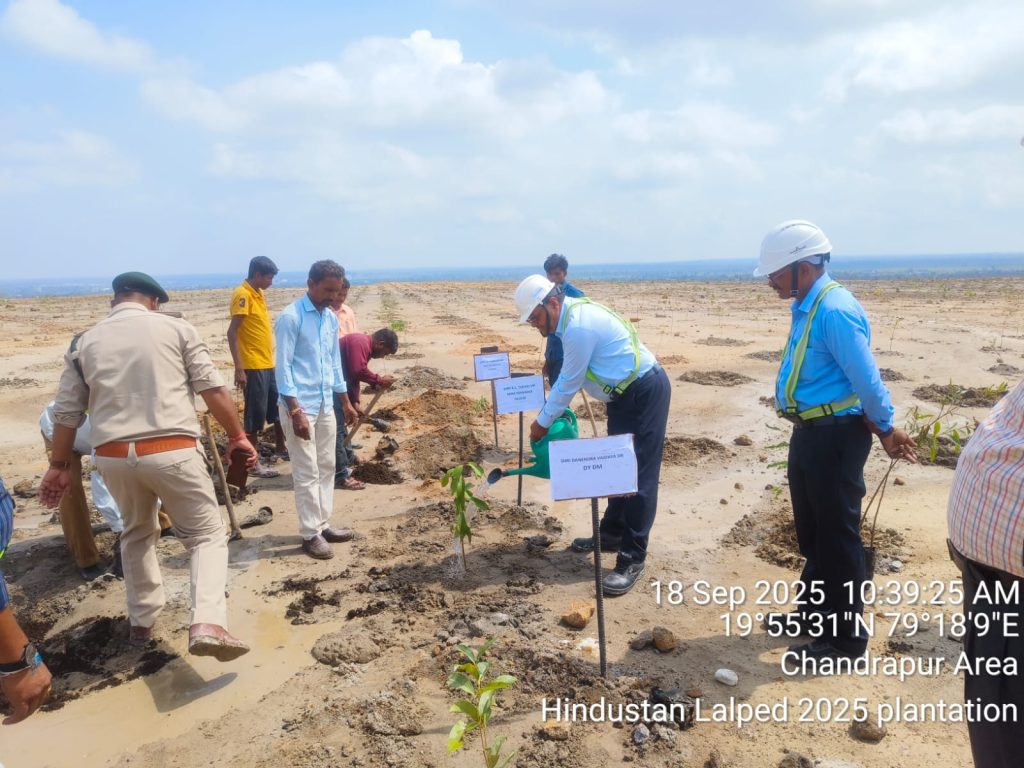
The work begins with stabilising the mine dumps themselves. Instead of simply planting trees on unstable slopes, the terrain is scientifically treated by creating benches and preparing suitable planting surfaces.
“If it rains, it will fall down. That should be stabilized. We will do like that. We will put benches on top of it. We will plant on the side floor and maintain it,” Ms Deepika explained.
The plantation is then maintained for five years before being handed over, allowing the restored landscape sufficient time to stabilise and the vegetation to establish itself.
From failed attempts to a successful model
Mine restoration had been attempted earlier through private agencies, but the results were not always satisfactory. Deepika’s division adopted a more intensive approach, combining technical planning with continuous supervision.
The result has been a plantation survival rate of around 80 per cent – an impressive achievement given the harsh conditions.
The plantations are also monitored for growth and establishment. Conventional plantations have recorded average growth of around 2.5 metres within five years, while innovative high-density plantations have shown even faster development.
According to Deepika, the key difference has been sustained monitoring.
“The main reason for the successful management of issues, we continuously monitor it. We have a dedicated team of rangers. We manage the plantation. It is continuously monitored. That is why our plantation is successful,” she said.
The approach reflects an important lesson in ecological restoration: planting is only the beginning. Survival depends on what happens after the saplings enter the soil.
Indigenous species and the Miyawaki advantage
One of the defining features of Deepika’s restoration strategy is the emphasis on native species.
Rather than relying on exotic varieties simply because they may grow quickly, the projects prioritise indigenous plants suited to local ecological conditions.
“The plantation which we choose is only native varieties, so that the environment will be better. We will not go for the exotic varieties,” she said.
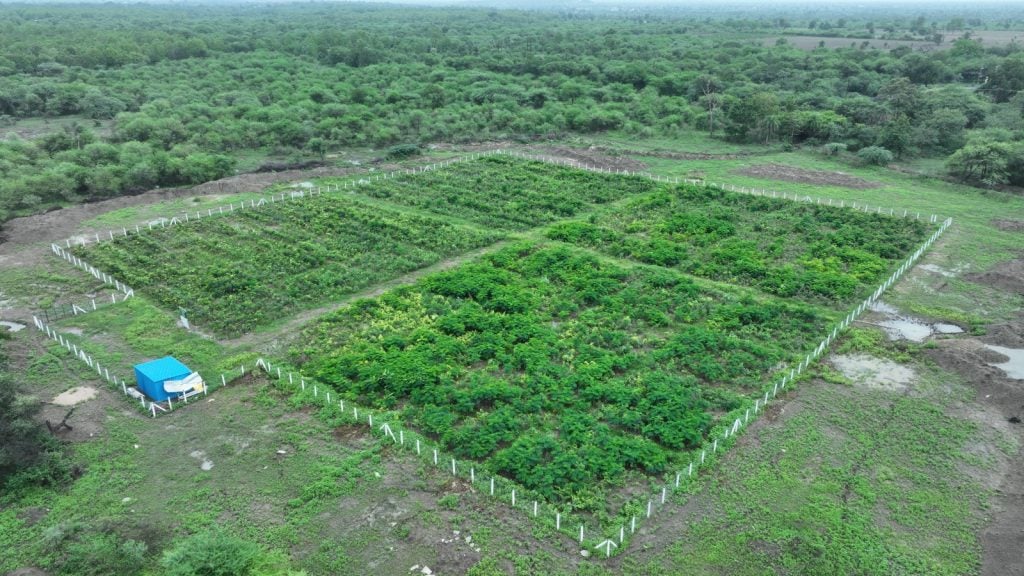
Alongside conventional plantation models, the division has also experimented with Miyawaki plantations, a high-density method designed to accelerate the development of dense vegetation.
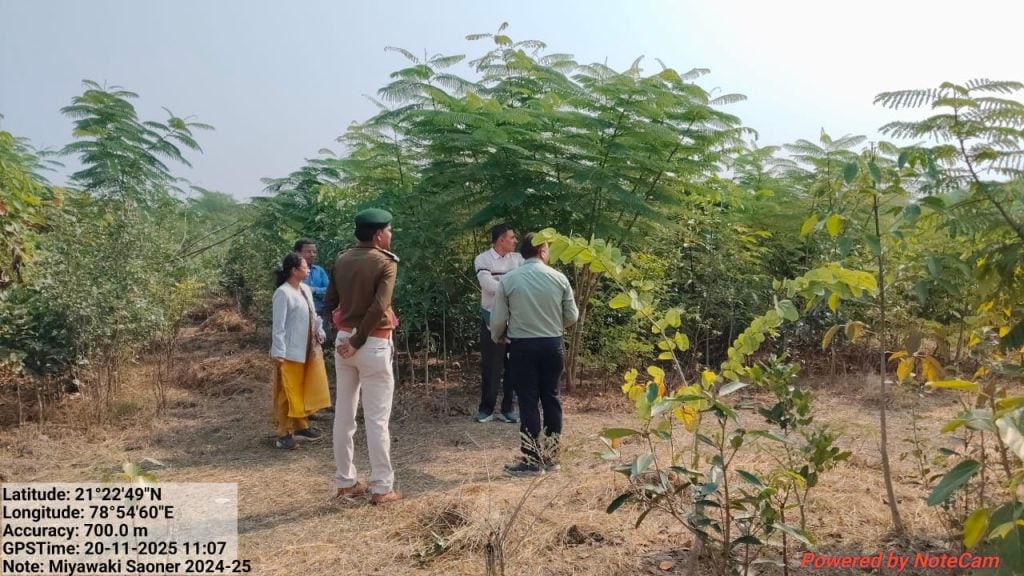
At Saoner, nearly 30,000 plants per hectare have been planted under the Miyawaki approach. The results have been striking, with the young plantation showing rapid growth and canopy development.
Deepika pointed to the remarkable early growth of one such plantation, noting that a relatively young plantation had already reached several feet in height.
The strategy is particularly valuable in landscapes where rapid green-cover development can help reduce dust, improve the visual and ecological quality of degraded areas and accelerate habitat recovery.
Restoring more than trees
The significance of the initiative extends well beyond the number of saplings planted.
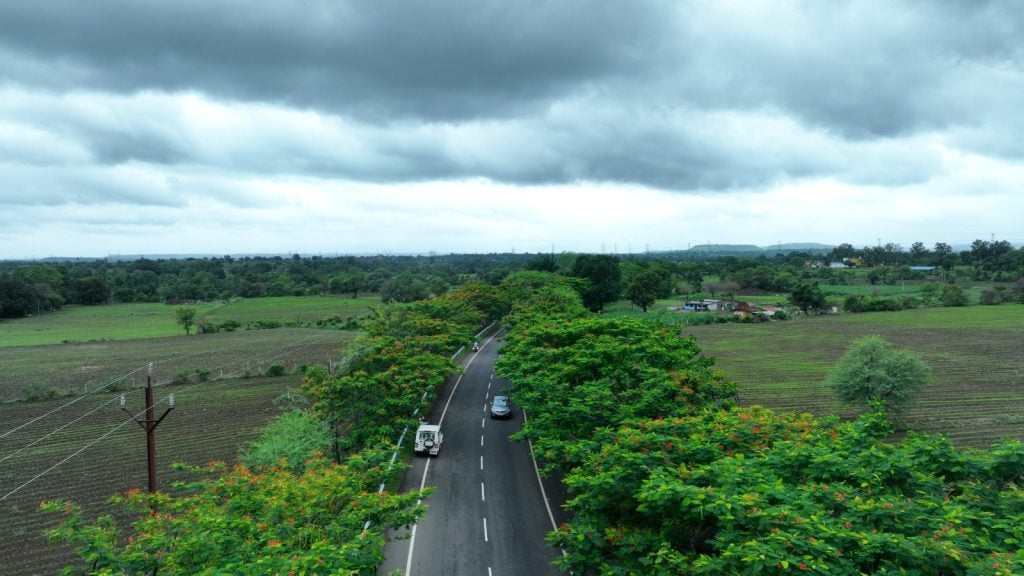
The restored areas help stabilise mine dumps, reduce soil erosion and dust pollution, increase green cover and create conditions for the return of biodiversity. Native plantations also provide a stronger ecological foundation than isolated plantations of non-native species.
The projects have an estimated carbon sequestration potential of approximately 7,000 tonnes of CO₂ equivalent annually, adding a climate-mitigation dimension to the restoration work.
Several plantation areas also lie within landscapes influenced by wildlife habitats associated with the Tadoba region, making ecological sensitivity an important consideration in restoration planning.
In such areas, restoration has to be undertaken while simultaneously navigating operational, safety and environmental constraints associated with active mining.
Building livelihoods alongside green cover
The restoration programme has also generated socio-economic benefits.
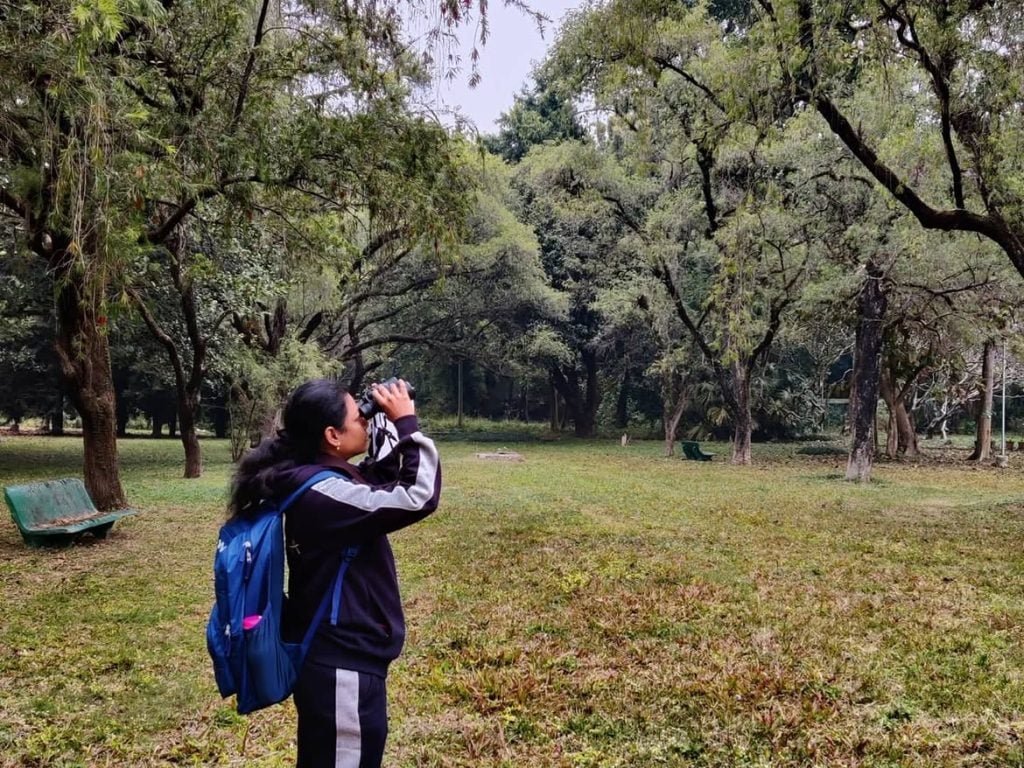
Local communities, particularly women from rural and mining-affected areas of the Vidarbha region, have been engaged in plantation and restoration-related activities. This creates livelihood opportunities while giving local communities a direct stake in the recovery of their surrounding environment.
Thus, the programme is gradually creating a model where ecological restoration and local economic participation reinforce each other.
A ₹150-crore opportunity for sustainable restoration
The environmental achievements have also been accompanied by significant institutional gains.
During her tenure, Deepika played a key role in securing a five-year mine-area rehabilitation programme valued at approximately ₹150 crore in WCL areas. The project not only expands the scope of ecological restoration but also contributes to revenue generation and the financial sustainability of the organisation.
Deepika herself noted that the division was able to generate substantial revenue through these projects, with the Chhindwara Division securing work worth around ₹150 crore.
The achievement demonstrates that environmental restoration need not be viewed solely as a cost. With the right institutional model, ecological responsibility can also create sustainable economic value.
Managing forests while restoring mining landscapes
Her responsibilities extend beyond mining restoration. She is also responsible for managing approximately 22,000 hectares of corporation forest area in Chhindwara and Pandhurna districts.
This includes forest development, plantation management, protection of forest resources and production activities, alongside administrative coordination and field supervision.
Managing these responsibilities while overseeing restoration projects across state borders requires considerable organisational planning and constant engagement with field teams.
A model of ecological leadership
What distinguishes Deepika’s work is not merely the number of hectares restored or trees planted. It is the effort to convert technically difficult and environmentally damaged mining landscapes into stable, developing ecosystems through a combination of scientific forestry, indigenous species, innovative plantation techniques and relentless monitoring.
Her experience demonstrates that ecological restoration is not achieved through a single intervention. It is built gradually – through preparing the land, choosing the right species, stabilising the terrain, nurturing plantations and returning repeatedly to the field to ensure that the work survives.
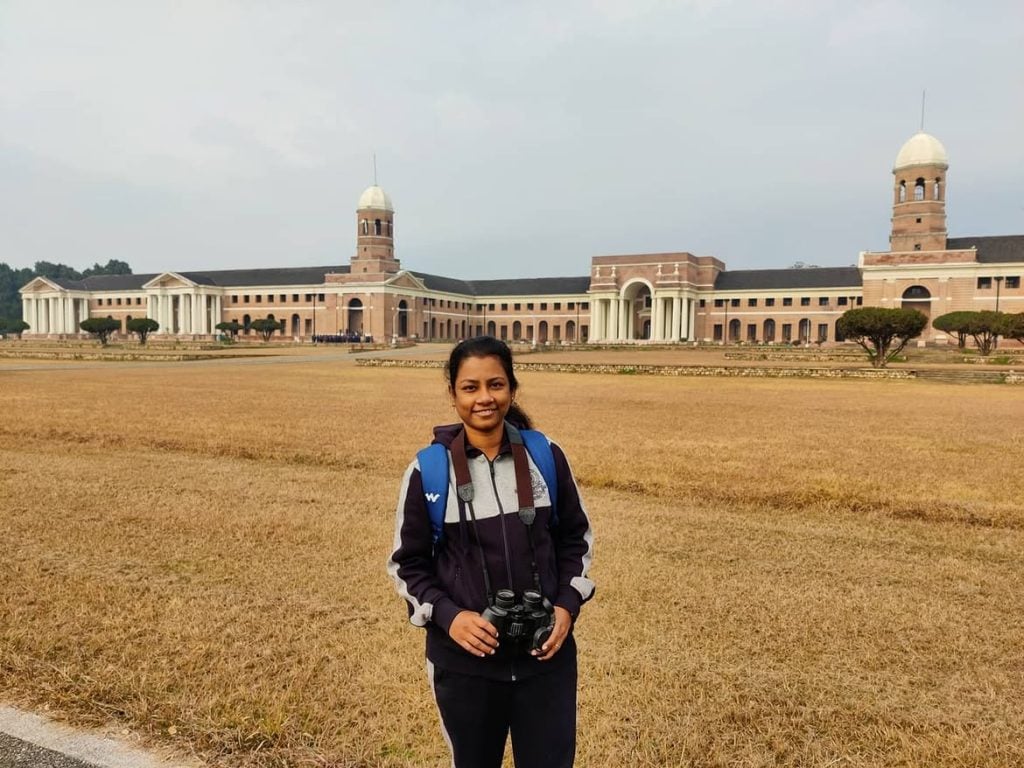
At a relatively early stage in her career, Ms Deepika has shown how public service can become a force for environmental transformation. Her work offers a scalable model for restoring India’s mining landscapes while simultaneously supporting biodiversity, climate resilience, community livelihoods and institutional sustainability.
The barren mine dump, once a symbol of ecological damage, can therefore become something very different: a living reminder that even landscapes deeply scarred by development can be given another chance to grow.