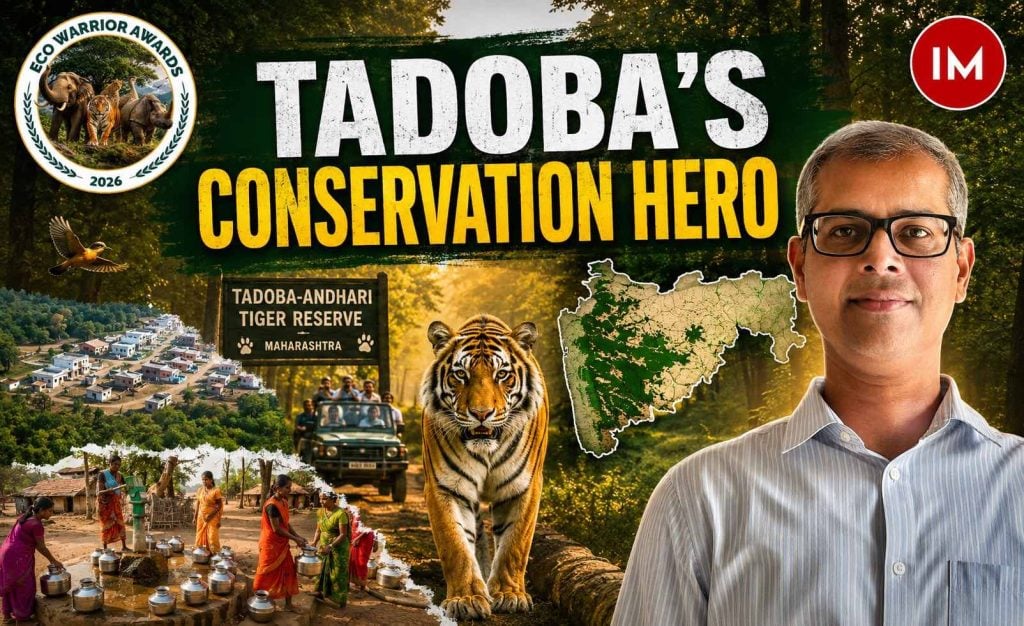
Conservation succeeds when people are not merely asked to protect nature, but are given a reason, an opportunity and the means to become its guardians. In the forests surrounding Tadoba-Andhari Tiger Reserve (TATR), this philosophy took concrete shape through a series of community-focused initiatives that connected livelihoods with wildlife protection.
At the heart of this transformation was Gajendra Prakash Narwane, an Indian Forest Service (IFS) officer of the 2008 batch from the Maharashtra cadre, who served as Deputy Director, Buffer Zone, Tadoba-Andhari Tiger Reserve (TATR), from 2013 to 2018. During his tenure, conservation moved beyond the traditional boundaries of patrolling forests and protecting wildlife. It reached village homes through LPG connections, drinking water, toilets, solar fencing, livelihood centres, eco-tourism and educational programmes.
The approach was simple but powerful: reduce the dependence of communities on forests, create alternative sources of income and involve villagers directly in conservation.
Today, Mr Narwane is serving as Chief Conservator of Forests (Territorial), Gadchiroli. Speaking to Indian Masterminds, he recalled how the journey began in Tadoba and why winning people’s trust became the foundation of his work.
How It Started: Winning the Trust of Villagers
When the buffer area of Tadoba was declared, it was initially met with apprehension by local communities. Villagers feared that the new conservation measures would restrict their lives and livelihoods.
“There was a misconception among people that declaring a new buffer area would lead to losses for them. There was a lot of opposition from villagers,” IFS Narwane said.
Human-wildlife conflict further complicated the relationship between communities and the Forest Department. Rather than viewing the villagers only as beneficiaries of government schemes, the team began looking at them as partners.
Read Also: When AI Entered the Forest: How Tadoba Turned Technology into a Shield for People and Wildlife
“We started working on how to win the people’s support,” he explained.
The Dr. Shyama Prasad Mukherji Jan Van Vikas Yojana became one of the important instruments in this effort. Eco-Development Committees (EDCs) were established in villages, allowing communities to identify their own priorities and participate in planning.
In all, 93 EDCs were formed. Individual questionnaires were distributed among villagers, with trained local youth conducting the surveys. Based on the responses, village-specific microplans were prepared and subsequently approved by committees headed by the Field Director.
Monthly EDC meetings provided a mechanism to monitor progress and modify plans wherever necessary.
For Mr Narwane, this participatory process was central to the entire model. “Consultation and empowerment of people in prioritising their problems and finding solutions is crucial,” he said.
Turning Tourism Into a Livelihood
One of the most visible changes came through eco-tourism.
Instead of allowing tourism benefits to remain concentrated outside the villages, new safari gates were developed in the buffer zone and villagers were encouraged to operate them. During Narwane’s tenure, six pioneering safari routes and three other eco-tourism destinations were developed under EDC management.
Villagers were trained as guides and encouraged to own and operate safari vehicles. Financial assistance was provided for purchasing gypsies through a repayment-based, soft-loan model.
“When I was there, six-seven gates were started. These gates started running well and people started getting employment in tourism,” he recalled.
The impact went beyond employment. As tourism became an alternative livelihood, villagers’ dependence on forest resources, including bamboo and fuelwood, declined.
The model subsequently inspired the development of more safari routes in Tadoba and similar community-oriented approaches elsewhere.
Bringing Women Into the Conservation Economy
Women often bore a disproportionate burden of dependence on forest resources, particularly fuelwood collection. Narwane’s team identified this as both a livelihood and human-wildlife conflict issue.
Under the LPG initiative, households in the buffer villages received substantial government support. The programme provided a 75 per cent subsidy for LPG connections, while the remaining 25 per cent was contributed by beneficiaries. The EDCs coordinated payments with dealers.
The scale was remarkable: 21,169 LPG connections and 181,268 refills were provided, along with 7,075 cement platforms.
“This was before the Ujjwala scheme,” he pointed out, highlighting how the initiative sought to address household energy needs well before LPG expansion became a nationwide priority.
The intervention reduced women’s dependence on forests for fuel and, consequently, reduced their exposure to wildlife encounters.
Alongside this, eight livelihood centres for women were established, creating avenues for local employment and helping build an eco-employment ecosystem for women and youth.
From Conflict to Coexistence
Human-wildlife conflict is often the most difficult challenge in landscapes where farms and forests exist side by side. Tadoba was no exception.
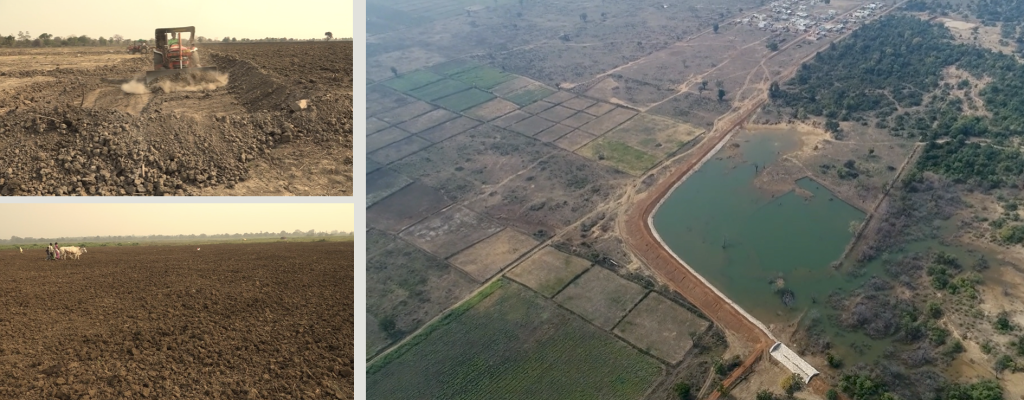
A major concern was crop damage. Although water was available in parts of the landscape, many farmers avoided cultivating a second crop because wildlife frequently damaged agricultural fields.
The solution emerged through consultation with farmers.
“People told us that if we helped them with solar fencing, the crop would not be damaged and they could take the second crop,” Mr Narwane said.
Solar fencing was subsequently promoted on a large scale. The initiative enabled farmers to protect their crops and encouraged double cropping, improving household incomes while reducing the pressure to seek additional agricultural land.
The larger programme eventually benefited thousands of farmers, with the broader initiative covering around 5,000 farmers.
Water security was another critical component. Eighty-three water bodies were rejuvenated, helping improve water availability for both communities and wildlife.
Clean Water, Toilets and Better Living
Conservation cannot be separated from basic human needs. The Tadoba initiatives therefore extended into drinking water and sanitation.
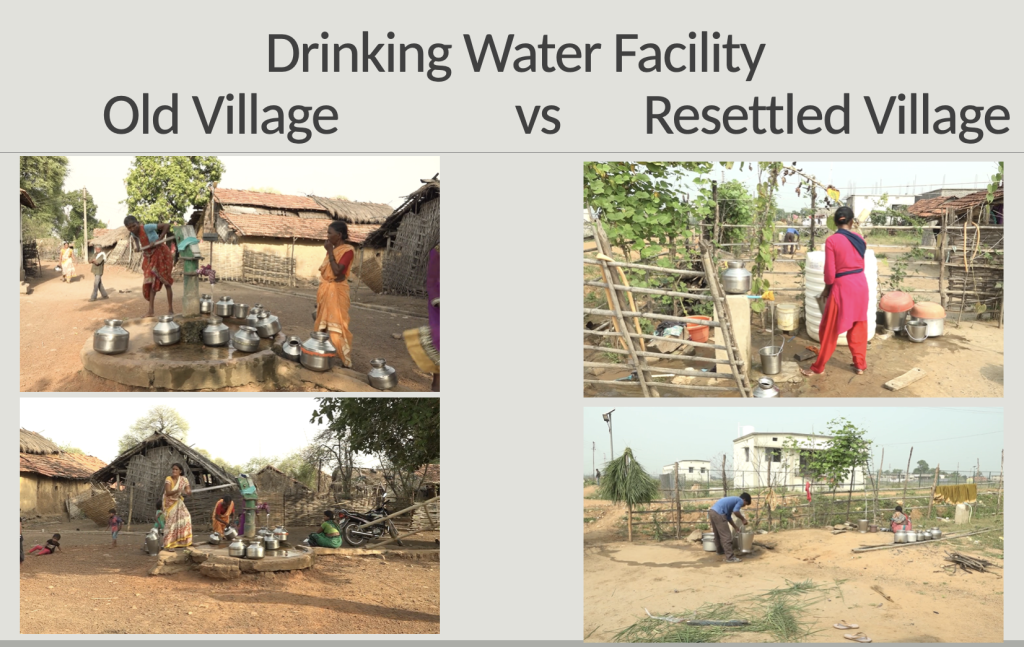
Iron contamination was a concern in some areas. With CSR support, water filtration systems were established, helping provide access to cleaner drinking water to families across the buffer landscape.
Overall, the programme reached approximately 24,000 families with clean water.
Sanitation was another neglected need. Thousands of people did not have household toilets, forcing them to venture outside and sometimes exposing them to dangerous encounters with wildlife.
More than 3,000 beneficiaries were supported in constructing toilets.
The interventions demonstrated a crucial principle: improving living conditions can itself become a conservation strategy when it reduces people’s dependence on forest areas and lowers the possibility of human-wildlife encounters.
Taking Tadoba to the Children
Narwane also recognised that long-term conservation requires changing how the next generation sees forests.
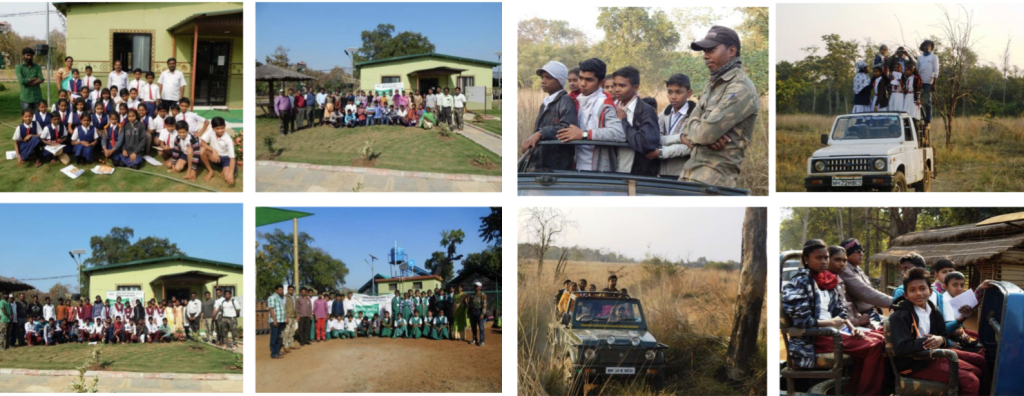
Two innovative educational initiatives were developed. One was a residential training and camping programme at Agarzari, conducted in collaboration with the Bombay Natural History Society (BNHS). Schoolchildren and their teachers participated in three-day camps where they learned about wildlife, forests and the role of communities and individuals in conservation.
Around 1,000 children were trained every year through such programmes.
Another initiative, known as “Chwalamaja Tadobala” or “Let’s Go to My Tadoba”, took children around Tadoba by bus and connected schools across the district with the reserve.
The idea was to make Tadoba familiar to children who lived near it but might never otherwise experience its ecological richness.
By taking conservation education outside textbooks and into the forest landscape, the programme sought to create a generation that understood not just the value of wildlife, but also the responsibility of protecting it.
Rehabilitation With Dignity
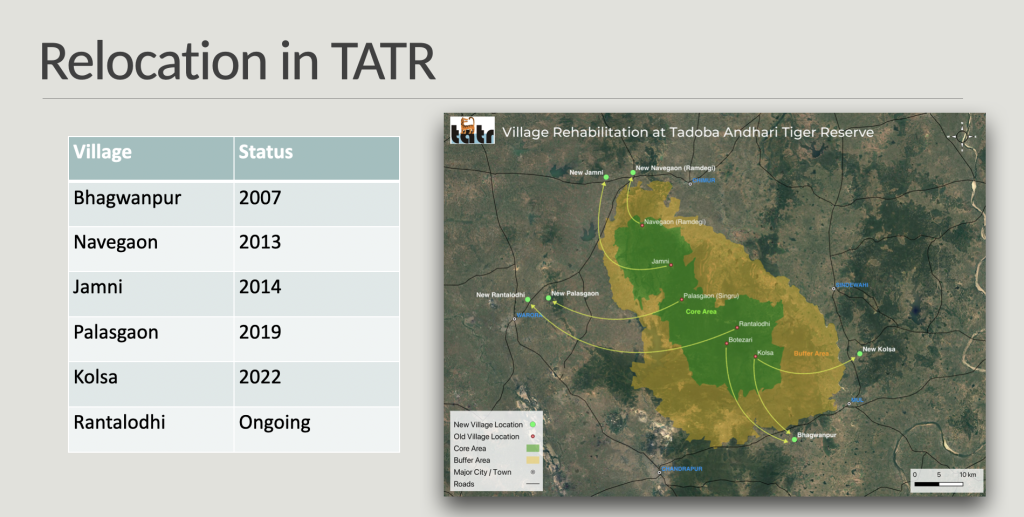
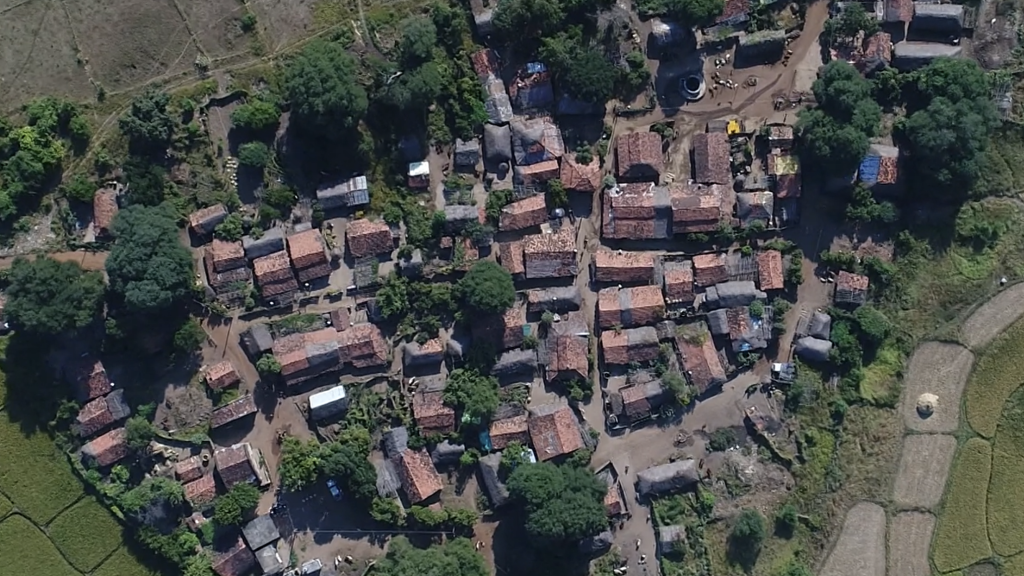
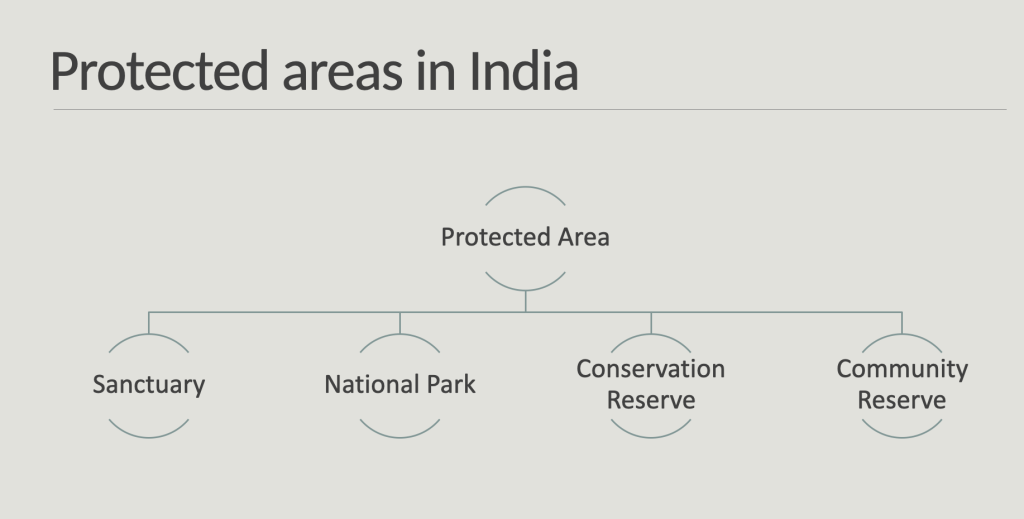
Another significant achievement during Narwane’s tenure was the rehabilitation of Jamni and Palasgaon Singru villages from the core area under the hybrid rehabilitation model of the National Tiger Conservation Authority (NTCA).
The relocated villages were developed with 18 modern amenities, while eligible beneficiaries received two hectares of agricultural land.
The rehabilitation experience reflected the larger challenge faced by protected areas across India. Millions of people live within or around protected landscapes, and successful relocation cannot simply mean moving families away from forests. It must provide them with security, infrastructure and viable livelihoods.
The Tadoba experience demonstrated how rehabilitation could be linked with development rather than treated merely as displacement.
Lessons From What Worked – and What Didn’t
Not every intervention produced the same results.
An initiative to replace unproductive cattle with milch breeds aimed to encourage stall feeding and reduce grazing inside forests. Under the scheme, the EDC and beneficiary each contributed ₹20,000.
However, the response was uneven. While the scheme succeeded in one village where milk production was already an important livelihood, participation elsewhere remained poor and some malpractice was observed. Only 231 milch cattle were ultimately brought under the programme.
For Mr Narwane, such experiences reinforced the importance of designing schemes around actual local needs rather than imposing a uniform solution.
A Model Built on Partnership
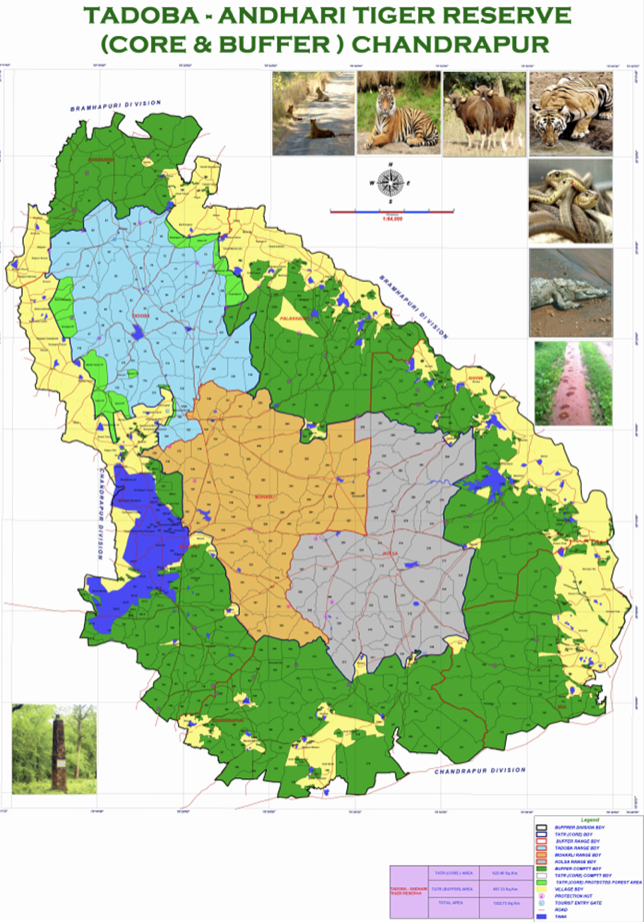
Tadoba is an ecologically important landscape, home to around 80 mammal species, 280 bird species, 54 reptiles, 11 amphibians, 84 fish species and 667 species of flora. It is also an important tiger source population, with landscape connectivity towards Indravati Tiger Reserve in Chhattisgarh and the Kanha landscape through Navegaon-Nagzira.
But it is equally a human landscape, supporting approximately 24,000 families living across dozens of villages.
That is why IFS Narwane believes conservation goals and community aspirations need not be opposing forces. “Wildlife and forest conservation goals can be aligned with the goals and aspirations of the people,” he said.
Perhaps the most important lesson from his Tadoba tenure is that conservation does not always begin inside the forest. Sometimes, it begins in a kitchen where an LPG cylinder replaces firewood; in a field protected by solar fencing; in a village meeting where residents decide their priorities; in a safari vehicle owned by a local family; or in the curiosity of a child seeing a tiger’s habitat for the first time.
As Mr Narwane puts it, EDCs and Joint Forest Management institutions remain among the most underused tools in forest and wildlife conservation, and strengthening them should receive much greater priority.
His Tadoba experience shows what becomes possible when communities are given a voice, livelihoods are linked with conservation and trust becomes the foundation of governance. In such a model, the forest is no longer seen simply as protected land – and the people living beside it are no longer seen simply as a pressure on wildlife.
They become partners in protecting it.
Read Also: From Conflict to Conservation: How IFS Manish Singh Is Reimagining Forest Protection in Pilibhit