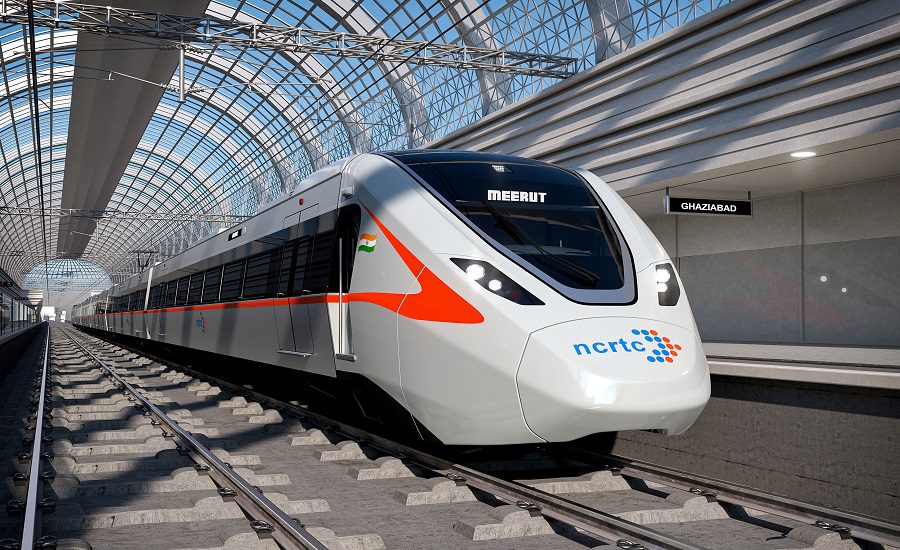
Gujarat: The Narendra Modi-led Union Cabinet has approved the Ahmedabad (Sarkhej)–Dholera Semi High-Speed Double Line Rail Project, marking a major milestone in India’s railway infrastructure expansion.
The project, cleared by the Cabinet Committee on Economic Affairs, is estimated to cost around ₹20,667 crore and is targeted for completion by 2030–31.
India’s First Indigenous Semi High-Speed Rail Corridor
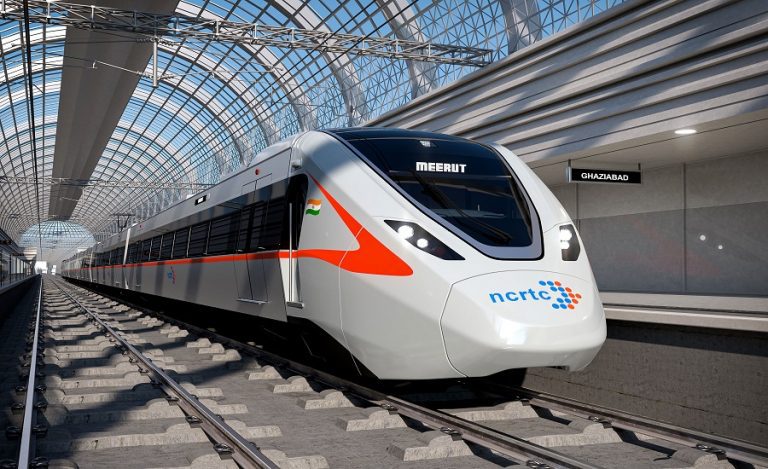
The project will be India’s first semi high-speed rail corridor developed using indigenous technology under Namo Bharat Train operations.
Key specifications include:
- Total length: ~134 km
- Design speed: up to 220 kmph (operational speed 200 kmph)
- Total stations: 13
- New railway connectivity in Gujarat
The corridor will significantly enhance the capacity and efficiency of the existing Indian Railways network.
Key Connectivity Boost for Ahmedabad–Dholera Region
The rail line will improve direct connectivity between major growth centres, including:
- Ahmedabad (Sarkhej/Sabarmati)
- Dholera Special Investment Region (SIR)
- Upcoming Dholera International Airport
- Lothal National Maritime Heritage Complex
It will also enable faster travel, including same-day return journeys, making daily commuting more convenient.
Boost to Industrial Growth and Logistics
The project is expected to strengthen Gujarat’s emerging industrial ecosystem, particularly around Dholera SIR.
It will:
- Improve freight and passenger transport
- Enhance port and industrial connectivity
- Support logistics efficiency
- Boost regional economic development
PM Gati Shakti Integration for Multi-Modal Connectivity
Approved under the PM Gati Shakti National Master Plan, the project aims to integrate rail connectivity with broader transport and logistics networks.
This will ensure coordinated development of:
- Rail corridors
- Industrial zones
- Airports and ports
- Road connectivity systems
Economic Growth and Employment Generation
The government expects the project to generate significant economic benefits, including:
- Employment opportunities during construction and operations
- Growth of self-employment in surrounding regions
- Expansion of industrial and service sectors
The corridor will also strengthen long-term regional development in Gujarat.
Environmental Benefits Through Reduced Emissions
The semi high-speed rail line will contribute to sustainable transport by reducing dependency on road and air travel.
Expected environmental benefits include:
- Reduction in oil imports by ~0.48 crore litres
- CO₂ emission reduction of ~2 crore kg
- Equivalent to planting nearly 10 lakh trees
Rail transport is considered one of the most energy-efficient and eco-friendly modes of travel.
About Indian Railways
Indian Railways is one of the world’s largest railway networks, playing a critical role in passenger mobility, freight transport, and national economic integration. The Ahmedabad–Dholera semi high-speed rail project marks a major step toward modernising India’s rail infrastructure with faster, greener, and more efficient connectivity.