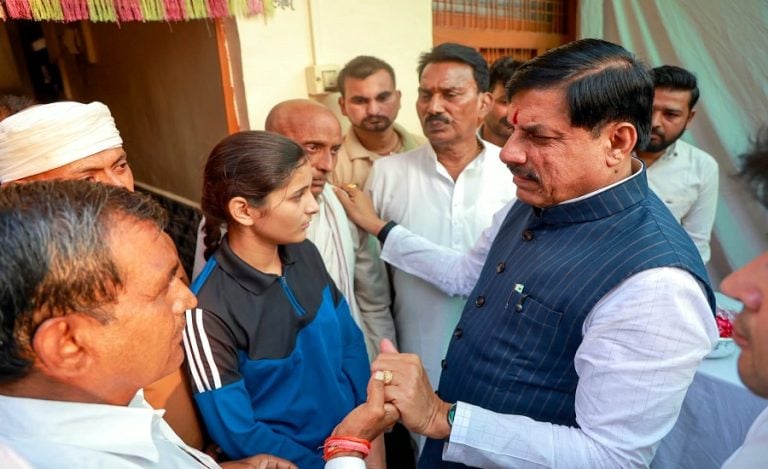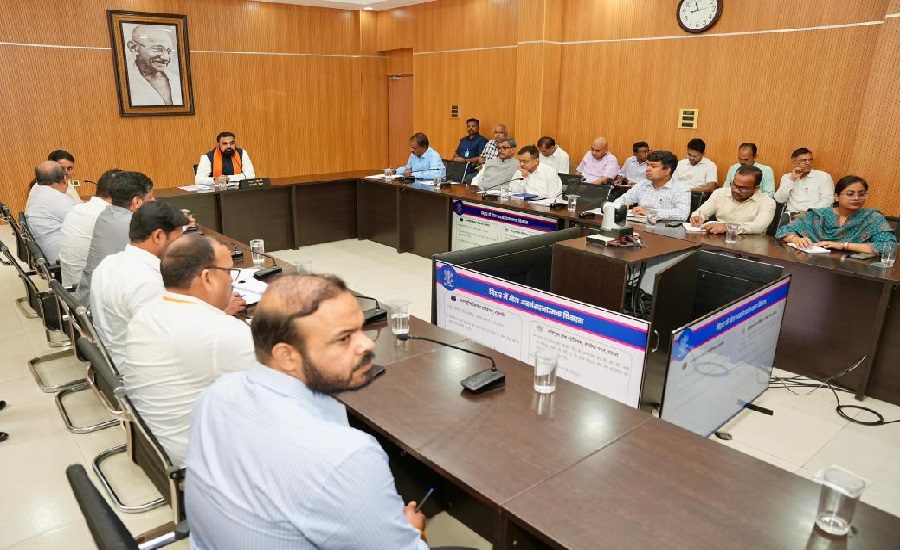
Patna: The Bihar Cabinet, chaired by Chief Minister Samrat Choudhary, has approved a series of major proposals aimed at strengthening social welfare, infrastructure, drinking water supply, industrial development and sports in the state.
Among the key decisions, the Cabinet approved the recruitment of over 22,000 Anganwadi Workers (Sevikas) and Helpers (Sahayikas) under the Integrated Child Development Services (ICDS). The meeting also cleared two urban water supply projects under AMRUT 2.0, revival of closed sugar mills, construction of two major bridges and the Bihar Sports Policy 2026.
Bihar Cabinet Approves Recruitment of Over 22,000 Anganwadi Workers
The Cabinet approved the Anganwadi Sevika and Sahayika Selection (Amendment) Guidelines, 2026 under the Integrated Child Development Services (ICDS).
The decision paves the way for the recruitment of more than 22,000 Anganwadi Sevikas and Sahayikas across Bihar.
The government said the recruitment will strengthen Anganwadi services and improve the implementation of nutrition, health and child welfare programmes for women and children throughout the state.
Water Supply Projects Worth Over ₹204 Crore Approved Under AMRUT 2.0
The Cabinet also granted administrative approval for two urban drinking water projects under the Atal Mission for Rejuvenation and Urban Transformation (AMRUT) 2.0.
The approved projects include:
- Lakhisarai Water Supply Project: ₹150.96 crore.
- Kishanganj Water Supply Project: ₹53.71 crore.
The government said these projects will provide clean and safe drinking water to lakhs of families while strengthening urban infrastructure and improving water supply systems to meet future demand.
Closed Sugar Mills to Be Revived in Darbhanga and Madhubani
To promote industrial development in the Mithilanchal region, the Cabinet approved the establishment of new cooperative sugar mills at the premises of closed sugar factories located in:
- Raiyam, Darbhanga.
- Sakri, Madhubani.
The proposal also includes the development of industries based on sugarcane by-products.
According to the government, the initiative will:
- Ensure better prices for sugarcane farmers.
- Generate local employment opportunities.
- Boost industrial activity in the region.
Two Major Bridges Approved in Jamui District
The Cabinet approved two major bridge construction projects under the Road Construction Department.
The projects include:
- A high-level RCC bridge over the Kiul River at Nariyana Ghat on NH-333A’s Khaira-Sono Road (72 km) at a cost of ₹93.82 crore.
- Another high-level RCC bridge over the Suknar River near Mangobandar on the same highway (80 km) at a cost of ₹55.96 crore.
The bridges are expected to improve road connectivity and facilitate smoother transportation in the region.
Bihar Sports Policy 2026 Gets Cabinet Approval
The Cabinet also approved the Bihar Sports Policy 2026 to promote sports and identify young talent across the state.
Key initiatives under the policy include:
- Bihar State Sports Scholarship Scheme.
- Talent Identification Programme.
- Improved sports infrastructure and support for emerging athletes.
The government said the policy will provide better opportunities and facilities to sportspersons from the grassroots level.
Cabinet Clears Proposals Across Multiple Departments
Apart from the major announcements, the Cabinet approved several proposals related to:
- Agriculture.
- Irrigation.
- Urban Development.
- Technical Education.
- Cooperation.
- Law and Justice.
The meeting also approved decisions related to agricultural schemes, drinking water projects and the modernisation of engineering colleges.
According to the government, these measures are expected to strengthen governance, improve public services and accelerate Bihar’s overall development.
Government Focuses on Employment and Infrastructure
The Cabinet’s decisions reflect the Bihar government’s focus on creating employment opportunities, improving social welfare services, expanding drinking water infrastructure, promoting industrial growth and strengthening sports development.
Officials said the approved projects are expected to provide direct benefits to citizens while supporting the state’s long-term economic and social development objectives.