18 October 2026
ADVERTISEMENT
ADVERTISEMENT

Cabinet Approval: ₹1,500 Crore NCMM Scheme Approved to Recycle E-Waste, Batteries into Critical Minerals – Know All Details

Union Cabinet approves ₹1,500 crore Incentive Scheme under NCMM to boost critical mineral recycling, attract investment, and create jobs.
India Rare-Earth Magnet Capacity
Indian Masterminds Stories

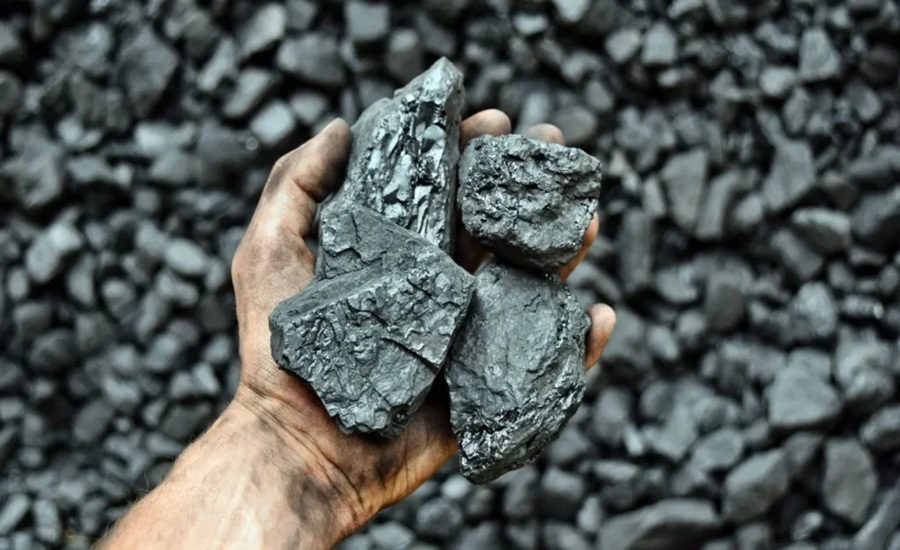
New Delhi: The Union Cabinet chaired by Prime Minister Narendra Modi has approved a ₹1,500 crore Incentive Scheme to promote recycling of critical minerals. The scheme, part of the National Critical Mineral Mission (NCMM), will strengthen domestic capacity and build supply chain resilience.

Recycling for Supply Chain Sustainability

The government noted that developing the critical mineral value chain through exploration, auctions, and mine operations takes time. Recycling from secondary sources such as e-waste and battery waste provides a faster way to ensure near-term sustainability.

The scheme will support the separation and production of critical minerals from such sources, reducing India’s dependence on imports and securing resources for industry.

Scheme Details and Tenure

The Incentive Scheme will run for six years, from FY 2025-26 to FY 2030-31. Eligible feedstock includes e-waste, lithium-ion battery scrap, and other materials such as catalytic converters from end-of-life vehicles.

Beneficiaries will include large established recyclers and new entrants, including startups. One-third of the total outlay has been earmarked for smaller players. Investments in new units, as well as capacity expansion or modernization of existing ones, will be supported.

Incentives for Capex and Opex

The scheme provides a 20% Capex subsidy on plant, machinery, and equipment for units starting production within specified timelines. Delayed units will receive reduced subsidy.

Additionally, an Opex subsidy will incentivize incremental sales over the base year FY 2025-26. Beneficiaries can claim 40% of eligible subsidy in the second year and 60% in the fifth year, between FY 2026-27 and FY 2030-31.

To widen participation, the total subsidy per entity is capped at ₹50 crore for large firms and ₹25 crore for small entities. Within this, Opex subsidy is capped at ₹10 crore and ₹5 crore, respectively.

Expected Outcomes

The scheme is projected to develop 270 kilotonnes of annual recycling capacity, producing about 40 kilotonnes of critical minerals. It is also expected to attract ₹8,000 crore in investments and generate nearly 70,000 jobs.

Officials highlighted that several industry consultations and seminars were held before finalizing the scheme, ensuring broad stakeholder involvement.

Also Read: Major Sustainability Drive: Oil India to Scale Recycling of Critical Minerals with Rs 4.3 Crore Grant


Indian Masterminds Stories
Join our WhatsApp Channel
ADVERTISEMENT
ADVERTISEMENT
Related Stories
ADVERTISEMENT
ADVERTISEMENT
NEWS
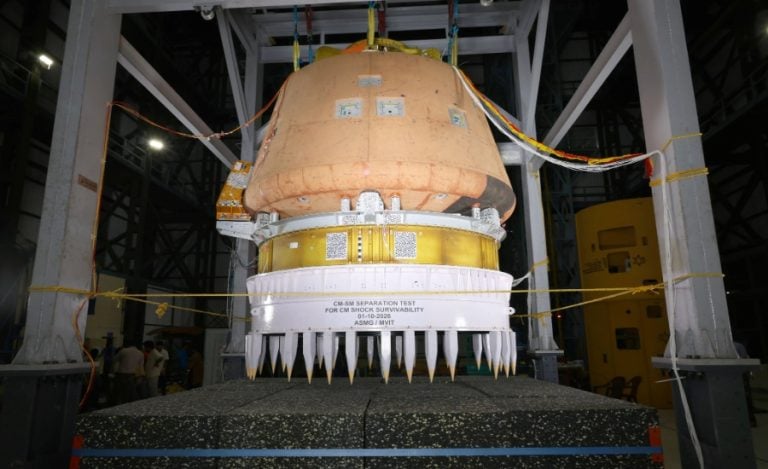
Gaganyaan Separation Tests
Why ISRO’s Latest Separation Test is One of the Most Important Test for India’s First Human Spaceflight
Ins samarthak
INS Samarthak Joins Indian Navy: 5 Key Facts About India’s New Warship
Right to Internet Access
Supreme Court Recognises Internet Access As A Fundamental Right For Children
Indian Defence Spending
Indian Defence Spending Push: Why A 35% Modernisation Hike Is Being Sought
IndoWings UCAV_IN_X-2
This Make in India Drone Can Reach and Trace Pakistan Within Minutes 
DRDO STANAG Level 6
DRDO’s New Lightweight Armour Technology Targets 30mm AP Threats
Indian AMCA Programme
These 3 Defence Companies Will Build India's Dream Advanced Medium Combat Aircraft
Defence Minister Rajnath Singh
Defence Minister Rajnath Singh to Represent India at 25th SCO Heads of Government Meeting in Tajikistan on October 19-20
ADVERTISEMENT
ADVERTISEMENT
Videos
Dr Saket Badola IFS
Beyond Tigers and Safaris: How Corbett Literature Festival Wants to Change the Conservation Conversation
PK Jena
Why Technology Cannot Replace Human Connection in Governance: P.K. Jena
PK Jena
The IAS Officer Who Put People Before Paperwork: How PK Jena Challenged Corruption and Reformed Governance
ADVERTISEMENT
UPSC Stories
Bhikan Rojekar UPSC
He missed MBBS by 1 mark in 2016; Maharashtra’s Bhikan Rojekar secures UPSC AIR 812
Bhikan Rojekar secured AIR 812 in UPSC CSE 2025 in his third attempt. Read how the son of a farm labourer...
Umar Janj UPSC CAPF
15+ Failures Couldn’t Stop Him: Umar Janj Secures AIR 160 in UPSC CAPF 2025
After multiple SSB setbacks, a CAPF interview miss by 12 marks and more than 15 failures, Umar Janj secured...
Aayush Sharma
Three CDS Attempts, Five AFCAT Qualifications & Medical Setback: How Aayush Sharma Secured CAPF AIR 135
After three unsuccessful SSB attempts, five AFCAT qualifications and a medical setback, Aayush Sharma...
CSR NEWS
NBCC India CSR Award 2026
NBCC India Wins Award for Excellence in CSR at 4th Fortune Leadership Awards 2026
The recognition honours NBCC’s community welfare initiatives and efforts to improve healthcare accessibility...
HURL ALIMCO
HURL Signs MoU with ALIMCO to Support Divyangjans and Senior Citizens in Gorakhpur, Barauni and Sindri
Under its CSR initiative, HURL will support PMD-VK Gorakhpur and facilitate the distribution of need-based...
MDL CSR Support to Divyasha Vayoshri Kendra
MDL Extends ₹3.79 Crore CSR Support to Divyasha Vayoshri Kendra in Mumbai
The initiative will strengthen access to assistive devices, prosthetics and rehabilitation services for...
ADVERTISEMENT
ADVERTISEMENT
ADVERTISEMENT
Latest
Indian Electoral Rolls SIR ECI Voters
Clean Voter Lists, Also Ensure No Genuine Voter Is Left Out 
Gaganyaan Separation Tests
Why ISRO’s Latest Separation Test is One of the Most Important Test for India’s First Human Spaceflight
ADVERTISEMENT
ADVERTISEMENT
ADVERTISEMENT
ADVERTISEMENT
ADVERTISEMENT
ADVERTISEMENT
ADVERTISEMENT
Videos
Dr Saket Badola IFS
PK Jena
PK Jena
ADVERTISEMENT
ADVERTISEMENT