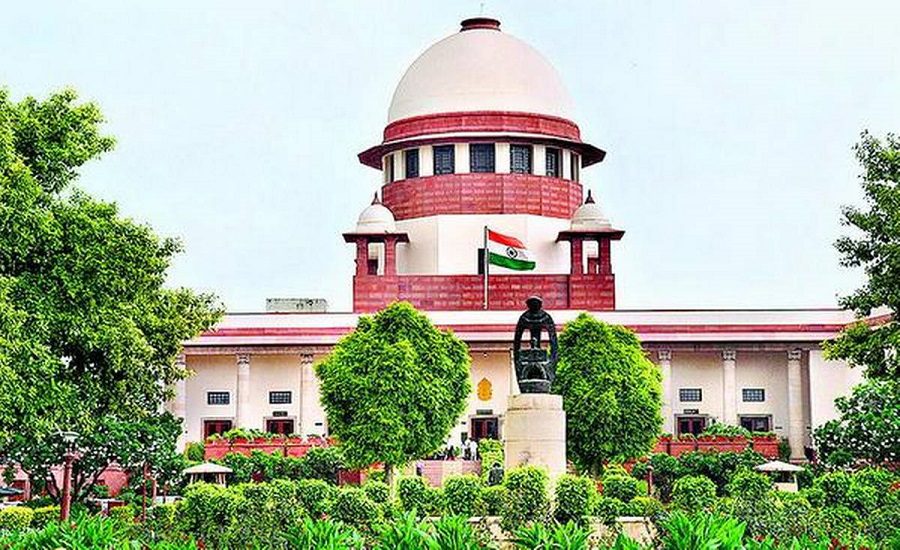
New Delhi: The Supreme Court judgment deadline has become a major step toward faster justice in India. The Supreme Court has directed all High Courts across the country to pronounce judgments within three months after reserving orders.
The move aims to reduce delays in the judicial system and ensure that litigants do not suffer because of long-pending verdicts. The apex court said delayed judgments can cause serious hardship and weaken public trust in the justice system.
Details of Supreme Court Reserved Judgment Deadline Ruling
The Supreme Court has issued binding guidelines for all High Courts regarding the timely delivery of judgments.
Major Highlights
- High Courts must pronounce judgments within three months of reserving a case for verdict.
- Cases involving personal liberty, including bail matters, should be decided much faster.
- Bail orders should ideally be pronounced on the same day or by the next day if reserved.
- Bail orders must be communicated immediately to jail authorities.
- Undertrial prisoners granted bail should be released without unnecessary delay.
What is the Reason of Supreme Court Reserved Judgment Deadline Ruling
The Supreme Court observed that delayed judgments create uncertainty for litigants and can lead to irreparable harm. The court expressed concern over the growing practice of reserving judgments for long periods without pronouncing them.
According to the court, timely justice is an essential part of the judicial process, and excessive delays can reduce public confidence in the judiciary.
Monitoring Mechanism Introduced
To ensure compliance, the Supreme Court has introduced a monitoring system.
If Judgment Is Not Delivered Within 3 Months
- The Registrar General of the concerned High Court must place the matter before the Chief Justice.
- The Chief Justice may grant an additional two weeks for pronouncement.
- If the judgment is still not delivered, the matter can be assigned to another bench.
- Parties involved may also seek appropriate remedies in case of prolonged delay.
Directions on Uploading Judgments
The apex court also stressed transparency in judicial functioning.
- The operative portion of a judgment can be pronounced in open court.
- Detailed reasons should be uploaded within a specified time frame.
- High Courts have been asked to make necessary website changes for better tracking of reserved judgments.
Background of the Supreme Court Reserved Judgment Deadline Ruling
The issue gained attention after several cases across different High Courts remained pending for months and, in some instances, years after hearings had concluded. The Supreme Court had earlier sought reports from High Courts regarding reserved judgments that were awaiting pronouncement.
These reports highlighted significant delays in some courts, prompting the need for uniform national guidelines.
What is the Impact of Supreme Court Reserved Judgment Deadline Ruling
Legal experts believe the decision could:
- Improve judicial accountability.
- Reduce uncertainty for litigants.
- Speed up the delivery of justice.
- Strengthen public trust in courts.
- Improve efficiency in handling pending cases.
The directions are expected to bring greater discipline and transparency to the judicial process while ensuring that justice is not delayed for citizens waiting for final verdicts.