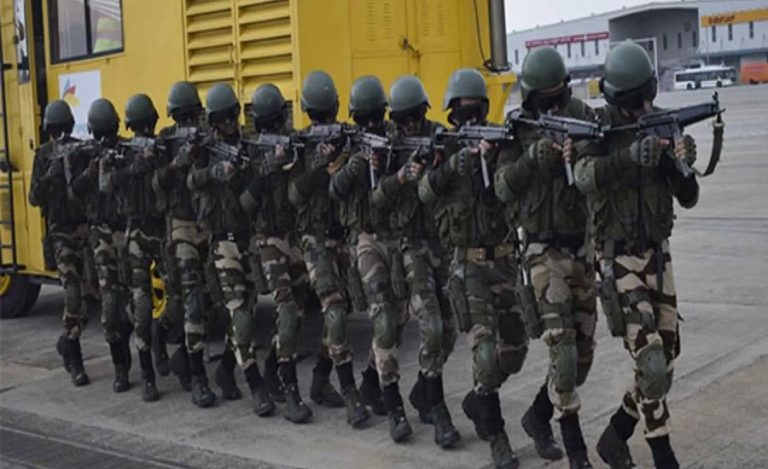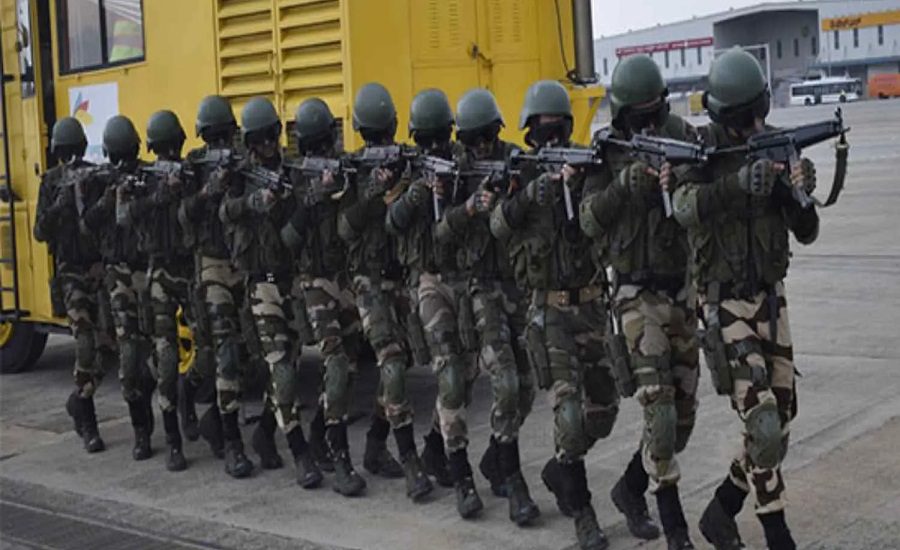
Bokaro: The Central Industrial Security Force (CISF) has introduced a major restructuring of its administrative control over industrial units across the steel, coal, power, ports, nuclear energy, space, transport, metro, airport and other sectors. The new arrangement came into effect on October 15, 2026, following the issuance of an official circular by CISF headquarters in New Delhi.
Under the revised structure, CISF units in the steel sector will come under the Inspector General (IG) of the Central Sector in Bhilai, power-sector units will be supervised by the IG of Zone-1, North East Sector, Kolkata, and coal-sector units will report to the IG of the Eastern Sector, Ranchi.
The restructuring aims to modernise security arrangements, improve administrative efficiency and develop specialised expertise among CISF personnel responsible for protecting critical industrial and public infrastructure.
CISF Revises Administrative Control of Steel, Coal and Power Units
The new arrangement redistributes the administrative responsibilities of senior CISF officers across specific sectors. The key changes include:
- Steel sector: Inspector General Piyush Pandey of the Central Sector, Bhilai, will oversee 27 CISF units associated with steel plants and related establishments.
- Power sector: Inspector General A.K. Mohanka of Zone-1, North East Sector, Kolkata, will supervise approximately 54 CISF units across power plants and related establishments.
- Coal sector: Inspector General Prabodh Chandra of the Eastern Sector, Ranchi, will take charge of 22 CISF units associated with coal mining and related operations.
The revised allocation is intended to establish a more focused administrative structure, with officers responsible for specific industrial sectors rather than a wider mix of establishments.
Read also: Jharkhand: CISF Seizes 250 Tonnes of Coal Near CCL Phulbasia Siding in Intelligence-Led Operation
27 CISF Units in Steel Sector to Come Under Bhilai
Under the revised structure, 27 CISF units associated with steel-sector establishments across the country will come under the administrative control of IG Piyush Pandey at the Central Sector headquarters in Bhilai.
These units include establishments associated with the Steel Authority of India Limited (SAIL) and other steel-related facilities.
Major establishments covered by the revised arrangement include:
- Bokaro Steel Plant (BSL), Bokaro
- Bhilai Steel Plant, Bhilai
- Durgapur Steel Plant, Durgapur
- IISCO Steel Plant, Burnpur
- Rourkela Steel Plant, Rourkela
- Salem Steel Plant, Tamil Nadu
- Bokaro Power Supply Company Private Limited (BPSCL)
As a result, CISF personnel serving at Bokaro and several other steel plants will fall under the administrative jurisdiction of the IG office in Bhilai.
Around 54 CISF Power Units to Be Controlled from Kolkata
The power sector will also undergo a significant administrative change. Approximately 54 CISF units responsible for the security of power plants and related facilities will come under the supervision of IG A.K. Mohanka at Zone-1 of the North East Sector in Kolkata.
The major power establishments covered by the revised arrangement include:
- Chandrapura Thermal Power Station (CTPS), Chandrapura
- Bokaro Thermal Power Station (BTPS), Bokaro Thermal
- Tenughat Thermal Power Station (TTPS), Lalpania
- Damodar Valley Corporation (DVC), Panchet
- Koderma Thermal Power Station (KTPS), Koderma
- Patratu Thermal Power Station (PTPS), Patratu
- Buxar Thermal Power Plant (BTPP), Buxar
Previously, several of these power-sector units, including establishments in Chandrapura, Bokaro Thermal and Lalpania, were under the administrative control of the IG of the Eastern Sector in Ranchi.
With the revised arrangement, personnel at these establishments will need to approach the IG office in Kolkata for matters requiring attention at that level.
22 Coal-Sector CISF Units to Come Under Ranchi
The coal sector will be placed under the administrative control of IG Prabodh Chandra of the Eastern Sector in Ranchi. A total of 22 CISF units associated with coal mining and related establishments will fall under this arrangement.
The major units and establishments include:
- Bharat Coking Coal Limited (BCCL), Dhanbad
- Northern Coalfields Limited (NCL), Singrauli
- Central Coalfields Limited (CCL), including the Kargali and Magadh-Amrapali areas
- South Eastern Coalfields Limited (SECL), Bilaspur
- Eastern Coalfields Limited (ECL), Sheetalpur
- Coal mining establishments in Hazaribagh
- NCL-related operations at Singrauli
The revised allocation places these coal-sector establishments under a designated administrative authority, with the objective of improving coordination and strengthening sector-specific security management.
CISF Restructuring to Promote Specialisation and Faster Decisions
According to the information provided in the circular, the restructuring is intended to improve the security and administrative management of CISF units across different sectors.
At present, senior officers serving in sectors such as the Eastern Sector in Ranchi, the North East Sector in Kolkata, the Central Sector in Bhilai and the Southern Sector in Chennai are responsible for a diverse range of establishments. These include industrial facilities, power plants, ports and space-related installations.
Under the new arrangement, CISF units are being organised around specialised areas such as steel, coal, power, space, Parliament House and airports.
The main objectives of the restructuring include:
- Sector-specific expertise: Enabling officers and personnel to develop specialised knowledge of the security requirements of particular industries.
- Improved administration: Streamlining the management of CISF units across different establishments.
- Greater decision-making authority: Providing regional IGs and DIGs with greater administrative independence to address operational matters.
- Modernised security management: Improving the focus and effectiveness of security arrangements at critical installations.
- Better operational coordination: Aligning administrative responsibilities with the specific requirements of different sectors.
The changes are also intended to support a more effective cadre structure and strengthen decision-making at the regional level.
Bokaro Steel Plant Personnel May Need to Approach Bhilai for Administrative Matters
One of the significant implications of the restructuring concerns CISF personnel posted at Bokaro Steel Plant and other steel establishments.
With the steel-sector units now under the administrative control of the IG in Bhilai, the relevant IG office for Bokaro Steel Plant will shift from Ranchi to Bhilai.
Personnel at steel plants in Durgapur, Burnpur and Rourkela, as well as Salem Steel Plant in Tamil Nadu, may also need to approach the Bhilai office for administrative matters that require intervention at the IG level.
This change could increase the distance personnel need to travel for certain departmental matters, depending on the nature of the issue and the level of authority required.
Power-Sector Personnel to Approach Kolkata Instead of Ranchi
The revised arrangement will also affect CISF personnel posted at power-sector establishments in Jharkhand and other locations.
Previously, personnel at facilities such as Chandrapura, Bokaro Thermal and Lalpania approached the IG office in Ranchi for departmental work and the resolution of administrative issues.
Following the restructuring, matters requiring attention at the IG level will fall under the jurisdiction of the office in Kolkata.
The shift in administrative jurisdiction may require personnel to travel farther for certain departmental matters, although the actual process will depend on the nature of the issue and the applicable administrative procedures.
New CISF Sectoral Structure Effective October 15, 2026
The revised administrative structure became effective on October 15, 2026. Through this reorganisation, CISF headquarters aims to establish a more specialised system for managing security at industrial establishments and other critical infrastructure across the country.
The changes redistribute responsibility among senior officers overseeing steel, coal and power units while also forming part of a broader restructuring covering ports, nuclear energy, space installations, transport networks, metro systems, government buildings, historical monuments, oil installations, training centres and airports.
The effectiveness of the new arrangement will depend on how efficiently the revised administrative structure improves coordination, decision-making and the management of security personnel across the various sectors.
Read also: CISF Expands Family Welfare Push With Skill Training, Competitive Exam Support