https://indianmasterminds.com

ADVERTISEMENT
ADVERTISEMENT

Explained: Why the Supreme Court Is Re-Examining Creamy Layer in SC/ST Reservation

The Supreme Court has issued a key notice on whether the creamy layer rule should apply to SC/ST quotas, sparking debate on affirmative action and equality in India.
Supreme Court Collegium Early Transfer Policy
Indian Masterminds Stories

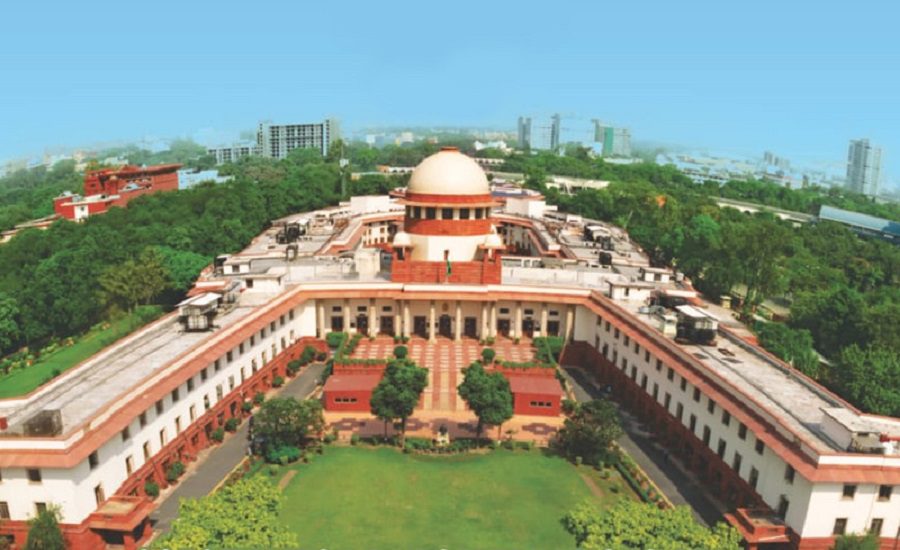
New Delhi: The Supreme Court of India has ignited a major legal and socio-political debate by issuing a notice on a Public Interest Litigation (PIL) that seeks to apply the creamy layer concept to Scheduled Castes (SC) and Scheduled Tribes (ST) reservations. The development signals a possible change in how affirmative action is interpreted in India’s constitutional reservation regime.

Details of the Supreme Court Notice on Creamy Layer SC/ST Reservation

A Constitution Bench led by Chief Justice of India Surya Kant and Justice Joymalya Bagchi issued notices to the Union Government and all state governments, seeking their responses on a writ petition filed under Article 32 of the Indian Constitution.

Read also: Supreme Court Mandates 30 % Women Reservation in State Bar Councils — A Historic Step for Gender Parity in Legal Profession

The petition argues that excluding affluent members, commonly referred to as the creamy layer, from the SC/ST quota is essential to fulfil the Constitution’s goals of justice, equality, and substantive upliftment.

What Is Creamy Layer in Indian Constitution 

The term creamy layer is traditionally linked to the Other Backward Classes (OBC) quota, where economically and socially advanced members within the category are excluded from reservation benefits.

This prevents relatively better-off individuals from perpetually occupying quota benefits meant for the more disadvantaged.

However, for SCs and STs, the creamy layer concept has been contentious because reservation for these groups was historically anchored in untouchability and social exclusion, not just economic backwardness.

The Union Government has long maintained that economic criteria should not override the social discrimination basis of SC/ST reservations.

Details of the PIL against Creamy Layer SC/ST Reservation

Advocate Ashwini Kumar Upadhyay, who filed the petition, argues that:

  • Continuing to award reservation benefits to socially and economically advanced SC/ST families creates a privileged class within reserved groups and defeats the remedial purpose of affirmative action.
  • This elite capture deepens internal inequalities and prevents the poorest and most marginalised from accessing education and jobs that reservations were designed to protect.
  • It allegedly violates multiple constitutional provisions, including Articles 14 (equality before law), 15 (prohibition of discrimination), 16 (equality of opportunity), 38, 41, 46, and 335.
  • The plea further states that without creamy layer exclusion, reservation policy risks becoming arbitrary and disconnected from the Constitution’s foundational goal of reducing socio-economic disparities.

Legal Context of Creamy Layer SC/ST Reservation

The Supreme Court’s notice arrives amid evolving jurisprudence on reservation:

Landmark ‘Sub-Classification’ Ruling

In State of Punjab v. Davinder Singh (2024), a seven-judge Constitution Bench held that state governments could create sub-classifications within SC/ST quotas to ensure equitable distribution, overturning the long-standing view that these groups are homogeneous.

Justices on that bench suggested the creamy layer concept may be applied even to SCs/STs, although criteria might differ from those used for OBCs. This signals judicial support for recalibrating affirmative action policies to target the “truly backward.”

Counterpoints and Government Position

The Union Government has historically opposed applying creamy layer to SCs and STs on the ground that discrimination endured by these communities stems from social ostracism and historic caste-based exclusion, not merely economic status. Government representatives argue that economic measures alone cannot capture the depth of social marginalisation faced by SC/ST individuals.

Read also: UPSC Reservation Rule Clarified: SC Bars Relaxed Candidates from General Category Seats


Indian Masterminds Stories
ADVERTISEMENT
ADVERTISEMENT
Related Stories
ADVERTISEMENT
ADVERTISEMENT
NEWS
BARC HALEU Thorium Fuel Study
₹20,000 Crore Nuclear Energy Mission to Develop Small Modular Reactors, Govt Tells Parliament
CM Nitish Kumar
Bihar CM Nitish Kumar Launches ₹546 Crore Development Projects in Araria During Samriddhi Yatra
APEDA
APEDA Highlights India’s ₹5 Lakh Crore Agri and Processed Food Exports at AAHAR 2026
CM Stalin
‘More Collectors and Secretaries from Tamil Nadu’: CM Stalin Urges Youth to Join Civil Services
Aadhaar Vision 2032
UIDAI Launches Bug Bounty Programme to Strengthen Aadhaar Security and Protect Citizen Data
Digital-India-
Digital India Boosts Inclusion: Internet Access Soars, Data Costs Drop, Aadhaar & UPI Transform Governance
Poshan 2
Govt Strengthens Anganwadi Infrastructure Under Mission Saksham Anganwadi and Poshan 2.0
Fiscal Health Index 2026
NITI Aayog Launches Second Edition of Fiscal Health Index 2026 to Assess States’ Financial Performance
ADVERTISEMENT
ADVERTISEMENT
Videos
WhatsApp Image 2026-03-02 at 10.22
Beno Zephine: India’s First 100% Visually Challenged IFS Officer Who Rewrote the Rules of Diplomacy | EXCLUSIVE
Prajesh Kanta Jena
How IFS Prajesh Kanta Jena Empowered Women & Youth at Palamau Tiger Reserve
WhatsApp Image 2026-02-23 at 12.13
Exclusive | From Ridge to River: Prajesh Kanta Jena’s Community-Led Conservation Drive at Palamau
ADVERTISEMENT
UPSC Stories
eiwueiwueiwuiwuiwueiw
From Interview Rejection to AIR 4: How Bihar’s Raghav Jhunjhunwala Turned His Third UPSC Attempt into Historic Success | Exclusive
Raghav Jhunjhunwala from Muzaffarpur, Bihar, secured AIR 4 in UPSC CSE 2025 in his third attempt after...
Dreams from the Hills: The Journey to Civil Services
Dreams from the Hills: Doctor from Remote Manipur Village Cracks UPSC CSE-2025
Dr. Th. Vapani John Tao from Manipur’s remote Oinam Hill Village secured AIR 800 in UPSC CSE 2025. A...
Simrandeep-Kaur-becomes-IAS-All-India-15th-rank
Punjab’s Daughter Secures AIR 15: Inside Simrandeep Kaur’s UPSC 2025 Success Story
Simrandeep Kaur from Punjab secured AIR 15 in UPSC CSE 2025. From a village upbringing to studying political...
Social Media
One-Horned Rhino Calf
Watch: First One-Horned Rhino Calf of 2026 Takes Birth at Jaldapara National Park, IFS Officer Shares Rare Footage
A newborn one-horned rhinoceros calf was spotted at Jaldapara National Park on January 1, 2026. IFS officer...
venomous banded krait
Rare Night Encounter: IFS Officer Spots Highly Venomous Banded Krait During Forest Patrol, Internet Amazed
An IFS officer’s night patrol video of a highly venomous banded krait has gone viral, highlighting India’s...
elephant rescue Karnataka
Heroic Karnataka Elephant Rescue: How a 28-Hour “Impossible Mission” Became a Triumph of Wildlife Care, IFS Parveen Kaswan Shares Video
A trapped elephant was rescued after 28 hours in Karnataka through a massive, expertly coordinated Forest...
ADVERTISEMENT
ADVERTISEMENT
ADVERTISEMENT
Latest
eiwueiwueiwuiwuiwueiw
From Interview Rejection to AIR 4: How Bihar’s Raghav Jhunjhunwala Turned His Third UPSC Attempt into Historic Success | Exclusive
BARC HALEU Thorium Fuel Study
₹20,000 Crore Nuclear Energy Mission to Develop Small Modular Reactors, Govt Tells Parliament
ADVERTISEMENT
ADVERTISEMENT
ADVERTISEMENT
ADVERTISEMENT
ADVERTISEMENT
ADVERTISEMENT
ADVERTISEMENT
Videos
WhatsApp Image 2026-03-02 at 10.22
Prajesh Kanta Jena
WhatsApp Image 2026-02-23 at 12.13
ADVERTISEMENT
ADVERTISEMENT