16 November 2026
ADVERTISEMENT
ADVERTISEMENT

Why India’s Successful Agni-IV Missile Test Is a Game-Changer for National Security

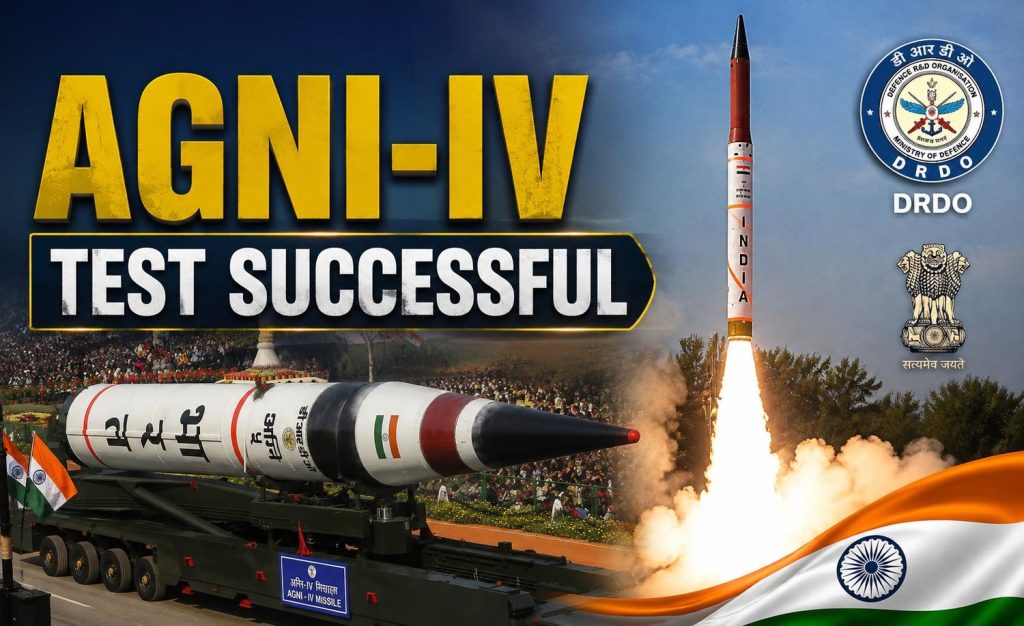
India successfully conducted the Agni-IV missile test from Odisha, validating the 4,000 km-range ballistic missile's operational readiness. The DRDO-developed missile strengthens India's strategic defence capabilities.
Indian Masterminds Stories

Orissa: The Agni-IV missile test marks another important milestone in India’s strategic defence capability. India successfully carried out the user trial of the Agni-IV medium-range ballistic missile from the Integrated Test Range at Chandipur, Odisha, under the supervision of the Strategic Forces Command (SFC) on 06 August. According to the Ministry of Defence, the successful launch validated the missile’s operational readiness and technical performance, strengthening India’s credible strategic deterrence.

Details of Agni-IV Missile Test

The Ministry of Defence confirmed that the Strategic Forces Command successfully conducted the user trial of the Agni-IV missile. The launch took place from the Integrated Test Range in Chandipur, Odisha. 

Read also: What is Agni-VI ICBM? India’s Long-Range Missile Features, Range & Status

Officials said the test met all mission objectives and confirmed the missile’s operational reliability. The Agni-IV is a two-stage, solid-fuelled medium-range ballistic missile capable of striking targets up to 4,000 km away.

What Makes Agni-IV Missile Important

The Agni-IV fills the capability gap between the Agni-II and Agni-V missile systems. It provides India with a highly reliable strategic missile capable of carrying both conventional and nuclear payloads, giving the country greater flexibility in maintaining a credible minimum deterrence. Its range enables India to cover a large part of its strategic neighbourhood while strengthening national security.

What are the Features of Agni-IV Missile

According to official information from the Ministry of Defence and DRDO, the Agni-IV has several advanced technologies:

  • Range of up to 4,000 km
  • Two-stage solid-fuel propulsion
  • Payload capacity of around 1,000 kg
  • Advanced ring laser gyroscope-based inertial navigation system
  • High-accuracy guidance and control system
  • Flex-nozzle thrust vector control technology
  • Carbon-fibre composite second stage for reduced weight and better performance

These technologies improve the missile’s accuracy, reliability and survivability.
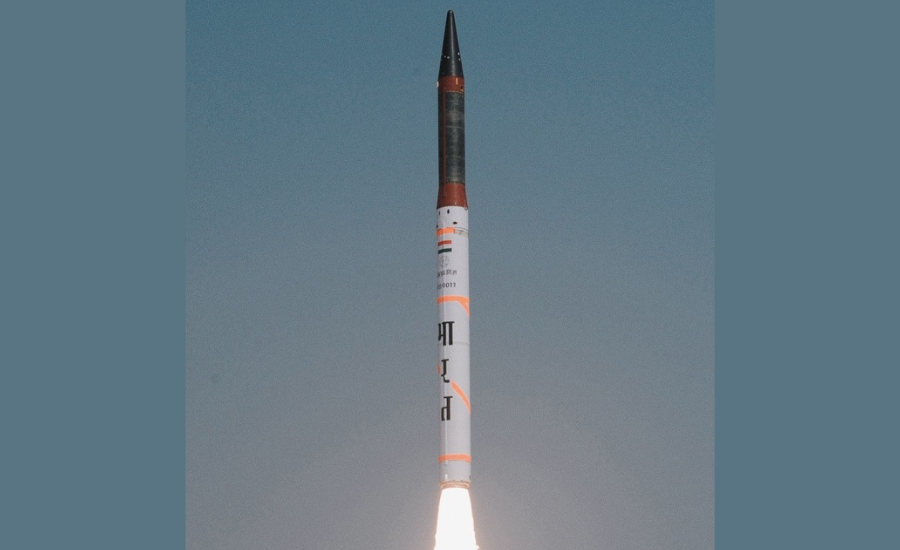
Agni-IV Missile test

Development Journey of Agni-IV Missile

The Defence Research and Development Organisation (DRDO) started work on the Agni-IV programme in 2007. The missile was developed as an upgraded successor to the Agni-II Prime project by DRDO’s Advanced Systems Laboratory in Hyderabad. Since its first successful flight in 2010, Agni-IV has undergone multiple developmental and user trials before becoming operational with the Strategic Forces Command.

Expert Analysis: Why This Test Matters for India

Defence experts believe the latest user trial is more significant than a routine missile launch because it demonstrates operational readiness rather than experimental capability. User trials are conducted by the Strategic Forces Command instead of DRDO scientists alone. This confirms that the missile can be deployed by the armed forces under real operational conditions. The successful validation also reflects the maturity of India’s indigenous missile technology and the country’s ability to maintain a dependable strategic deterrent.

Strengthening India’s Strategic Deterrence

India follows a policy of credible minimum deterrence and No First Use (NFU) in its nuclear doctrine. Reliable missile systems like Agni-IV strengthen this doctrine by ensuring that India’s strategic forces remain operationally prepared and technologically advanced. Regular user trials also help verify system performance, crew readiness and long-term reliability without changing India’s stated nuclear policy.

Looking Ahead

With the successful Agni-IV user trial, India continues to modernise its strategic missile force. As DRDO and the Strategic Forces Command expand indigenous missile capabilities, future improvements are expected to focus on greater accuracy, survivability and operational flexibility, reinforcing India’s long-term national security objectives.
Read also: 10,000 km Strike Power with Nuclear Deterrence Capability, DRDO Ready with Agni-VI Missile Featuring MIRV


Indian Masterminds Stories
Join our WhatsApp Channel
ADVERTISEMENT
ADVERTISEMENT
Related Stories
ADVERTISEMENT
ADVERTISEMENT
NEWS
GAIL Bengaluru CBG Plant
PM Modi Lays Foundation Stone of GAIL's Bengaluru CBG Plant, Boosting India's Green Energy Mission
s
UP Free Tablet Yojana 2026: Govt to Distribute 25 Lakh Tablets on November 15, Check Eligibility and Application Process 
Dahi Irrigation Project Madhya Pradesh
Janjatiya Gaurav Diwas 2026: MP Launches Rs 1,353 Crore Dahi Irrigation Project, 126 Villages to Benefit 
Rekha Gupta Chhath Puja
Delhi CM Rekha Gupta to Offer Chhath Prayers at Sonia Vihar Ghat, Over 1 Lakh Devotees Expected
Munak Canal Chhath Puja
Delhi Chhath Puja 2026: 1,482 Ghats Prepared Across 996 Locations, Better Facilities for Devotees 
IPS Officer Merin Joseph
Who Is IPS Merin Joseph? Meet the Kerala Cop Who Inspired Sai Pallavi's Police Officer Look
Amit Shah IPS Trainees
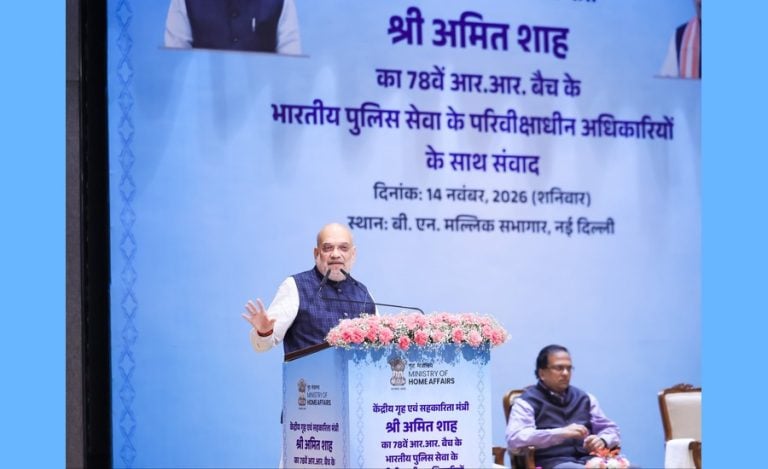
Amit Shah Interacts with 78th Batch IPS Trainees, Highlights National Security and Policing Challenges
HEMATOCon 2026
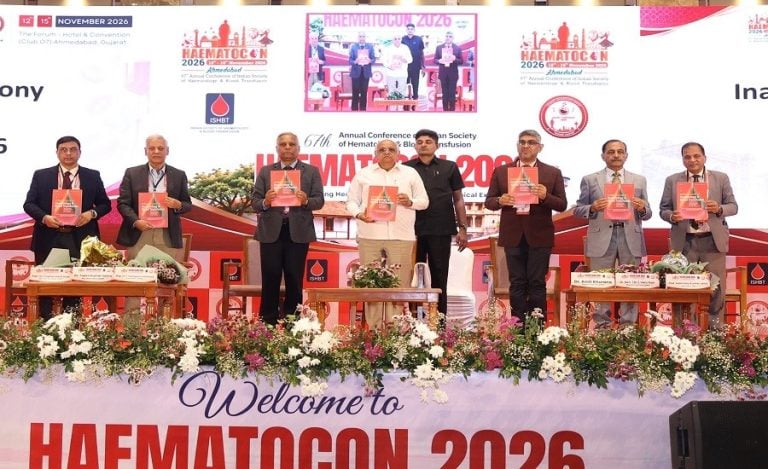
HEMATOCon-2026: CM Bhupendra Patel Calls for Early Diagnosis, Blood Donation to Combat Blood Disorders
ADVERTISEMENT
ADVERTISEMENT
Videos
Five years after Kargil, India sent its cricketing heroes to Pakistan where terrorism posed a deadly threat. The man guarding them, former Special Director of Intelligence Bureau, Mr. Yashovardhan Azad, reveals what all went behind the scenes during that crucial tour. 
Trust No One, Said His Instinct in Pakistan
Gajendra Singh Shekhawat
How India Plans to Boost Tourism, Create Jobs and Ease Overcrowding : Gajendra Singh Shekhawat on the Road to 2047
Dr Saket Badola IFS
Beyond Tigers and Safaris: How Corbett Literature Festival Wants to Change the Conservation Conversation
ADVERTISEMENT
UPSC Stories
Gautam UPSC
He Studied at 4 AM in a 10×10 Mumbai Slum Room; Today, Gautam Padibhar is an Indian Forest Service Officer
Meet IFS officer Gautam Padhibhar, a 2023-batch Chhattisgarh cadre officer who rose from financial hardship...
Aniket Sagar ICoAS
No Coaching, Full-Time Job and Two Attempts: How Aniket Sagar Cleared ICoAS
Aniket Sagar, a chartered accountant from Bundelkhand, cleared UPSC ICoAS 2025 after working at PwC,...
IDAS Himanshu Tembhekar
Should UPSC Aspirants Give Up Their Hobbies? IDAS Officer Himanshu Tembhekar Explains
Should UPSC aspirants give up their hobbies? IDAS officer Himanshu Tembhekar explains how hobbies help...
CSR NEWS
Coal India CSR Programme
Coal India Organises CSR Programme to Align Mining Operations with Community Development 
Initiative Aims to Strengthen CSR Implementation in Coal-Bearing Regions and Improve Community Well-Being...
hurl
HURL Signs MoU with Injot Trust to Launch Project ANGOR for Children's Education in Assam
The three-year CSR initiative will cover five locations in Assam, focusing on holistic education, digital...
cmpdil
CMPDIL Partners with Tata Steel Foundation to Upgrade Technical Education at ITI Tamar 
The project will modernise training infrastructure with robotic welding technology, digital learning...
ADVERTISEMENT
ADVERTISEMENT
ADVERTISEMENT
Latest
GAIL Bengaluru CBG Plant
PM Modi Lays Foundation Stone of GAIL's Bengaluru CBG Plant, Boosting India's Green Energy Mission
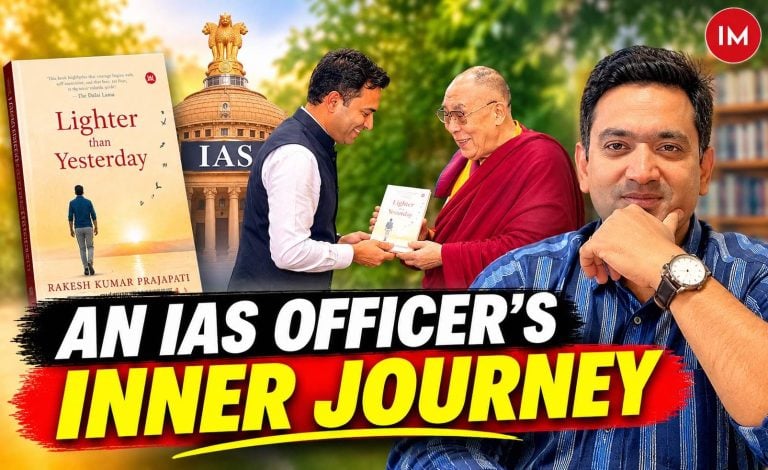
Lighter Than Yesterday: Himachal Cadre IAS Rakesh Kumar Prajapati Explores the Search for Happiness Beyond Success
ADVERTISEMENT
ADVERTISEMENT
ADVERTISEMENT
ADVERTISEMENT
ADVERTISEMENT
ADVERTISEMENT
ADVERTISEMENT
Videos
Five years after Kargil, India sent its cricketing heroes to Pakistan where terrorism posed a deadly threat. The man guarding them, former Special Director of Intelligence Bureau, Mr. Yashovardhan Azad, reveals what all went behind the scenes during that crucial tour. 
Gajendra Singh Shekhawat
Dr Saket Badola IFS
ADVERTISEMENT
ADVERTISEMENT