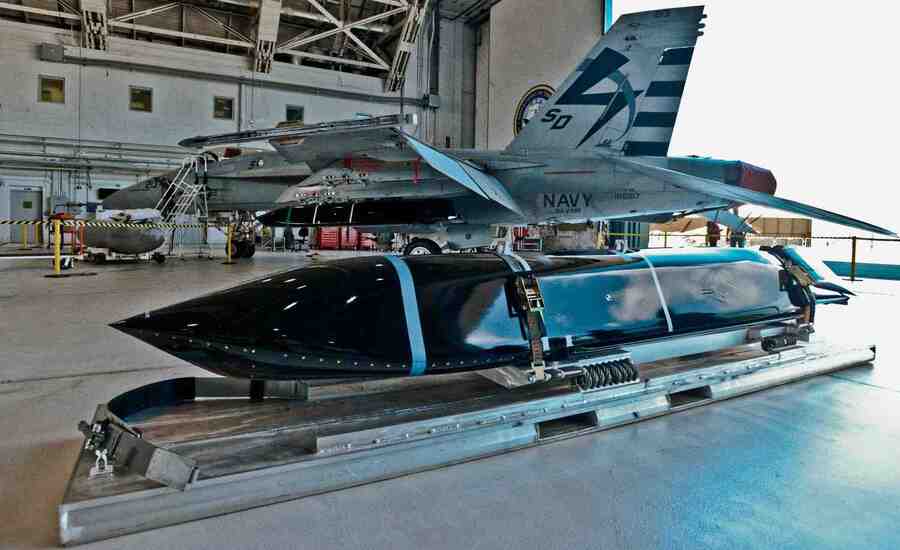
New Delhi: India is preparing to strengthen its long-range missile capabilities with an ambitious upgrade to the DRDO Long Range Anti-Ship Hypersonic Missile (LR-AShM). The missile, which has already demonstrated a range of around 1,500 km, could reach up to 3,500 km after further testing. This development could significantly improve India’s maritime strike capabilities and strengthen its position in the strategically important Indian Ocean region.
DRDO Plans Major Range Upgrade For LR-AShM Missile
The Defence Research and Development Organisation (DRDO) is reportedly preparing to increase the operational range of India’s indigenous LR-AShM hypersonic missile from approximately 1,500 km to 3,500 km.
Read also: 24 Missiles, Nuclear Power, Hypersonic Capability: Inside India’s Project 77 SSN Program
According to the November 6 report, DRDO is planning two to three additional trials to validate the extended-range capability before seeking production approval.
If these trials are successful, the missile could enter the production stage by 2028-29. However, the proposed extended range and production timeline have not yet been officially confirmed by DRDO.
How Will DRDO Increase The LR-AShM Missile Range
One of the important aspects of this development is that a major redesign of the missile may not be necessary to increase its range.
According to the report, DRDO is exploring software upgrades and new flight trajectory profiles to improve the missile’s range.
The missile uses a two-stage solid-fuel rocket propulsion system. Its booster technology is linked to India’s K-4 submarine-launched ballistic missile programme, which has a reported range of around 3,500 km.
By improving its flight profile and using the existing propulsion capabilities, DRDO aims to achieve a longer operational range.
What are the Features of LR-AShM Hypersonic Missile
The LR-AShM is an indigenous hypersonic glide missile developed to meet the Indian Navy’s coastal defence requirements.
It is designed to engage both stationary and moving targets at sea. The missile also carries indigenous avionics and advanced sensors to improve targeting accuracy. Some of its important capabilities include:
- Current Demonstrated Range: Approximately 1,500 km.
- Proposed Extended Range: Up To 3,500 km.
- Maximum Reported Speed: Around Mach 10.
- Average Speed: Around Mach 5.
- Propulsion: Two-Stage Solid-Fuel Rocket System.
- Target Capability: Stationary And Moving Targets.
- Flight Technology: Hypersonic Glide With Multiple Manoeuvres.
- Guidance: Indigenous Sensors For Terminal-Phase Target Engagement.
The missile follows a quasi-ballistic flight path. After its rocket boosters provide the required speed, the vehicle enters an unpowered glide phase and performs manoeuvres before reaching its target.
Its high speed, low-altitude flight and manoeuvrability make interception challenging for conventional air defence systems.
Why Is A 3,500 Km Missile Range Important For India
An extended range of 3,500 km could significantly improve India’s maritime denial capabilities in the Indian Ocean region. It would allow Indian forces to threaten enemy warships, aircraft carrier groups and other important naval targets from much greater distances.
This capability could also help India protect important sea routes and strengthen its maritime security.
The Indian Ocean is strategically important because it connects major international trade routes and supports a large amount of global shipping.
A longer-range LR-AShM could give the Indian Navy greater flexibility in responding to potential maritime threats.
Could The Missile Strengthen India’s Defence Against China And Pakistan
The proposed range extension could improve India’s ability to respond to naval threats from both China and Pakistan.
China has been expanding its naval presence in the Indian Ocean, while Pakistan is also working to strengthen its maritime defence capabilities.
A hypersonic anti-ship missile with a longer range could help India maintain a stronger maritime deterrence position. However, the missile’s actual operational effectiveness will depend on successful testing, deployment, targeting systems and integration with India’s wider defence network.
LR-AShM Missile Testing And Production Timeline
India has already made important progress in developing its indigenous hypersonic missile technology.
DRDO successfully tested India’s first long-range hypersonic missile on November 16, 2024, from Dr APJ Abdul Kalam Island off the Odisha coast.
The Defence Ministry confirmed that the missile was designed to carry different payloads over distances greater than 1,500 km.
The missile successfully completed its flight, including terminal manoeuvres and an accurate impact on the designated target.
The latest reported development focuses on validating an extended range of up to 3,500 km.
If the additional trials are successful, production approval could follow around 2028-29, according to the report.
FAQs
The LR-AShM is reported to reach an initial speed of around Mach 10 and maintain an average speed of approximately Mach 5 during its flight.
DRDO’s LR-AShM has demonstrated a range of approximately 1,500 km. India is reportedly planning to extend its range to 3,500 km through additional testing and upgrades.
According to the latest report, the missile could receive production approval by 2028-29 if its extended-range trials are successful. DRDO has not publicly confirmed this timeline.