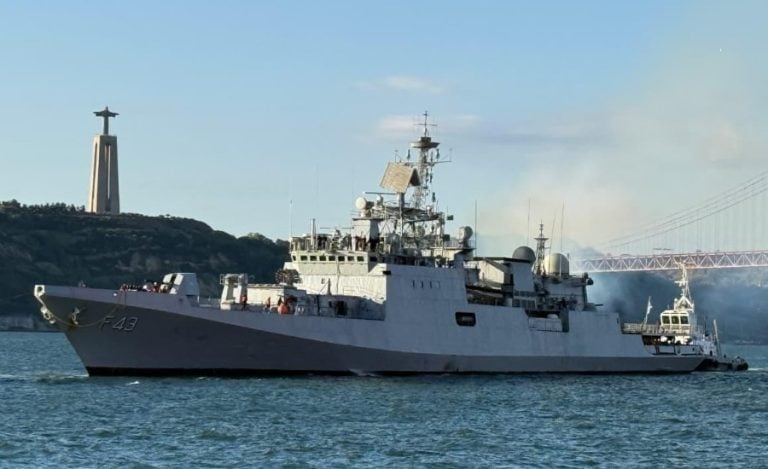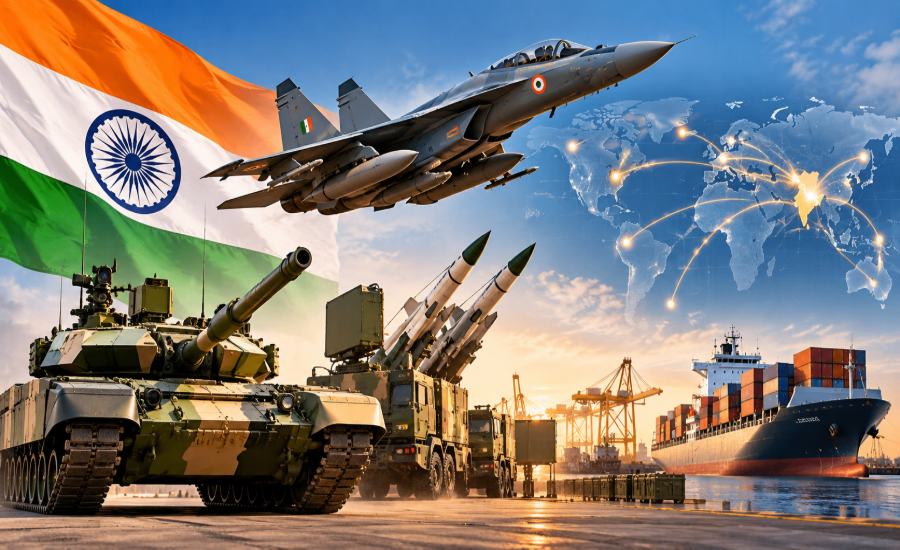
New Delhi: India has emerged as the third-largest exporter of defence goods to Europe, Defence Secretary Rajesh Kumar Singh said on October 23, 2026. The growth comes as European countries increase their defence spending under the ‘ReArm Europe’ initiative.
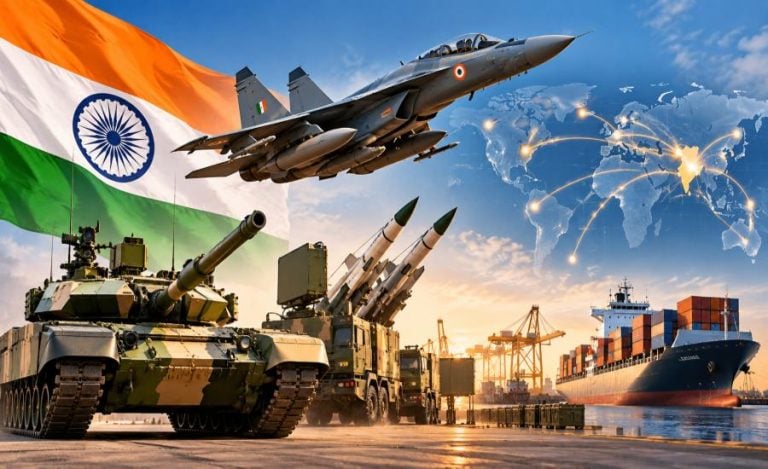
Indian defence exports have reached a record ₹38,424 crore, supported by growing demand for ammunition, artillery shells and other military equipment. The country is also expanding its defence manufacturing sector and exploring new partnerships with European companies.
Indian Defence Exports Reach Record ₹38,424 Crore
Defence Secretary Rajesh Kumar Singh said India’s defence exports have reached an all-time high of ₹38,424 crore, equal to approximately 3.6 billion euros, according to his statement.
Read also: Why The World Is Buying Indian Missiles: Defence Secretary Explains
He said India became the third-largest exporter of arms to Europe over the past year, mainly because of rising demand under the ReArm Europe initiative.
European countries are increasing their defence purchases to strengthen military preparedness. This has created new opportunities for Indian defence manufacturers.
The Defence Secretary highlighted that Indian companies are exporting significant quantities of standard ammunition, artillery shells and ammunition of different calibres. These products are helping India increase its presence in the European defence market.
What Is The ReArm Europe Initiative
The ReArm Europe initiative is a European effort to strengthen defence capabilities and increase military preparedness. European countries are focusing on improving their defence infrastructure, replenishing military equipment and increasing the availability of essential ammunition.
This growing demand has created opportunities for international defence suppliers, including India. India’s established ammunition manufacturing industry and expanding defence production capacity are helping it meet some of these requirements. The initiative is also encouraging European countries to explore new suppliers and strengthen defence supply chains.
India’s Defence Manufacturing Sector Expands
Defence Secretary Rajesh Kumar Singh said India’s defence manufacturing ecosystem has experienced significant growth over the past 10 years. Earlier, the sector was mainly supported by 16 large public sector defence companies.
Now, the industry includes around 840 large and medium-sized private companies with industrial licences. India also has approximately 17,000 small enterprises, including startups, working in the defence manufacturing sector.
This wider industrial base is helping India increase production and develop different types of defence equipment. The growing participation of private companies is also creating new opportunities for innovation, manufacturing and exports.
Indian Defence Exports: More Than 80 Countries Import Indian Defence Equipments
India is now exporting defence products to more than 80 countries worldwide, the Defence Secretary said. The country’s defence export portfolio includes several types of military equipment. These products include:
- Artillery shells and ammunition
- Heavy artillery equipment
- Small arms
- Defence components
- Helmets and bulletproof jackets
- Tactical military equipment
- Different types of artillery gun systems
India is also attracting interest from buyers in Southeast Asia. The Defence Secretary said international buyers are discussing contracts for different defence components, small arms and artillery systems. This growing demand is helping Indian manufacturers explore new international markets.
Government Focuses On Domestic Defence Manufacturing
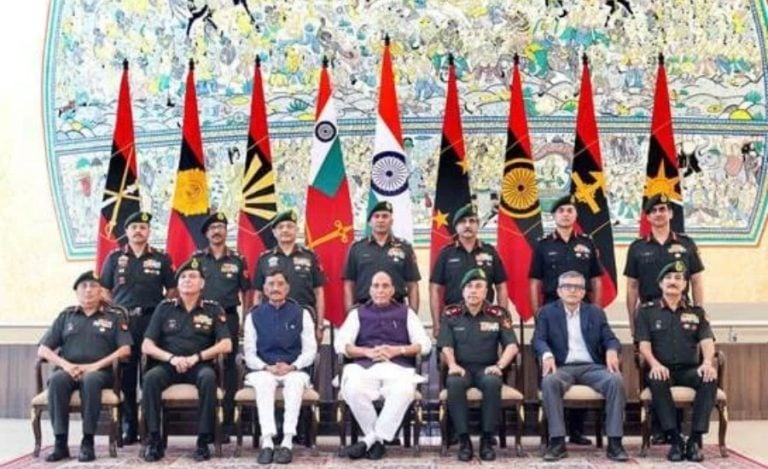
The Indian government is also working to strengthen domestic defence manufacturing. According to the Defence Secretary, India aims to spend around 75 per cent of its annual defence capital expenditure within the country.
The annual defence capital expenditure is estimated at around $20 billion to $25 billion. The government gives priority to IDDM products.
IDDM stands for Indian Designed, Developed and Manufactured. This approach encourages Indian companies to design, develop and manufacture defence products within the country.
The main objective is to reduce dependence on foreign technology and strengthen India’s technological sovereignty. It also supports the government’s wider Make in India initiative.
How India Becomes Less Dependent Through Diversification Strategy
India has traditionally depended heavily on Russia for defence equipment. However, the Defence Secretary said India’s dependence on Russian defence supplies has gradually declined.
The country has expanded its defence partnerships with several other nations. France has become one of India’s important defence suppliers after Russia.
According to the Defence Secretary, France and Israel each account for around 15 per cent of India’s defence imports. India is also developing stronger defence relations with other European countries.
This diversification is helping India reduce its dependence on a single supplier. It is also supporting the development of a wider international defence partnership network.
India Strengthens Defence Relations With France, Greece And Cyprus
India is expanding its defence cooperation with several European countries.
France remains an important partner because of its strong defence relationship with India.
The Defence Secretary also highlighted India’s growing strategic alignment with Greece and Cyprus. He recently visited both countries and described them as important partners.
These relationships can help India strengthen its defence cooperation with Europe. They may also create opportunities for Indian companies to participate in European defence programmes.
Indian Defence Exports: India Plans Joint Ventures With European Defence Companies
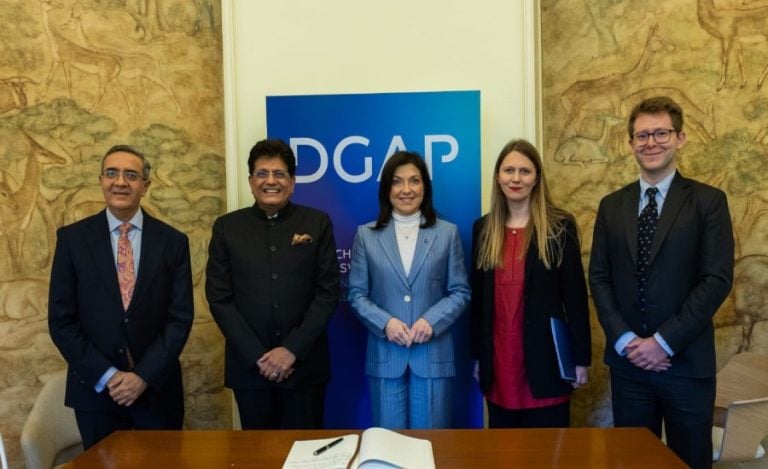
India is planning to increase its participation in Europe’s defence procurement programmes. Defence Secretary Rajesh Kumar Singh said India wants to establish joint ventures with European companies.
Under this approach, Indian defence manufacturers could establish joint ventures in Europe. These partnerships would help Indian companies participate in European government defence programmes.
At the same time, European companies could establish joint ventures in India to access the country’s defence market. The objective is to increase cooperation between Indian and European defence manufacturers.
Joint ventures could also help companies share manufacturing capabilities, technology and production experience.
India And Europe Aim To Strengthen Defence Supply Chains
India and European countries are exploring ways to improve cooperation in defence manufacturing. The Defence Secretary said stronger partnerships could help both sides develop more integrated defence supply chains.
European companies could benefit from India’s growing manufacturing capacity. Indian companies could gain access to European defence procurement opportunities.
This cooperation may also help manufacturers respond to international demand more efficiently. However, companies will need to follow the manufacturing and procurement rules of the countries where they operate.
FAQs
India’s defence exports reached a record ₹38,424 crore, equivalent to approximately 3.6 billion euros, according to the Defence Secretary’s statement.
India has emerged as the third-largest exporter of defence goods to Europe, according to Defence Secretary Rajesh Kumar Singh. The growth is mainly linked to rising demand under the ReArm Europe initiative.
India exports ammunition, artillery shells, defence components and other military equipment. Its defence products also include small arms, helmets, bulletproof jackets and tactical gear.