New Delhi: The Indian Navy marine gas turbine project — a strategic indigenous propulsion initiative — is on the verge of receiving approval from the Defence Acquisition Council (DAC) under the Make-I category of the Defence Acquisition Procedure (DAP) 2020.
This landmark decision would propel India toward self-reliance in critical marine propulsion systems by enabling domestic design, development, and testing of high-power gas turbines for frontline warships.
What Is the Make-I Category
Under the Make-I framework of DAP 2020, the Indian government co-funds prototype development of defence technologies with industry partners. This model is designed to stimulate indigenous innovation while reducing reliance on foreign suppliers.
Read also: Big Push for Atmanirbhar Bharat: MoD Seals ₹659 Crore MKU Deal for Army’s SIG-716 Rifles
The government’s contribution for prototype development is capped at ₹250 crore per agency, but the total programme could involve ₹4,000-5,000 crore in investment, with up to 70 % of prototype costs potentially covered by public funding.
This approach reflects India’s growing focus on Atmanirbhar Bharat (self-reliant India) in defence technology — a strategic priority that merges industrial innovation with national security imperatives.
Importance of India Marine Gas Turbine Project
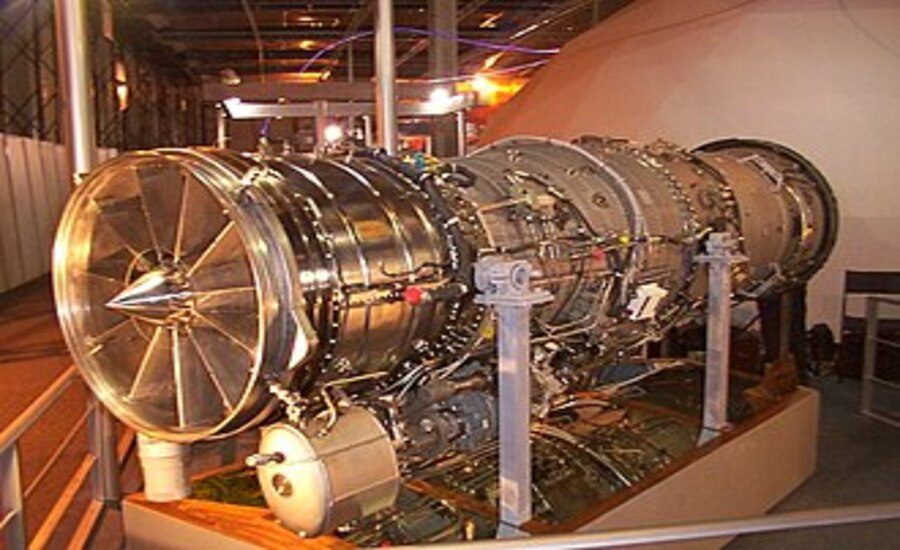
Marine gas turbines in the 24–28 megawatt class are key propulsion units for large surface combatants such as destroyers and frigates — the backbone of any modern navy. These engines deliver the high power and reliability needed for sustained operations at sea.
Currently, the Indian Navy relies heavily on imported turbines from foreign manufacturers such as the Ukrainian firm Zorya-Mashproekt and the American company General Electric. Indigenous development of such turbines would significantly reduce dependency on external sources and strengthen operational readiness.
India Marine Gas Turbine Project: Industry Participation and Technology Ecosystem
A distinctive feature of this initiative is its public-private partnership model. In late 2025, the Indian Navy sought input from domestic companies to assess industrial capabilities for gas turbine design, precision manufacturing, testing infrastructure, and lifecycle support.
Participating firms were evaluated on their experience with gas turbine design and integration, R&D infrastructure, forging and machining capabilities, testing facilities, proposed indigenous content, and overall technical and financial viability. Such an exercise helps map India’s readiness to absorb and execute complex propulsion programmes.
The Government’s role includes fostering collaboration with research establishments like the Gas Turbine Research Establishment (GTRE) and key public sector units, while also enabling private sector leadership — a shift from purely state-led development.
Technological and Strategic Gains
Developing an indigenous marine gas turbine carries multiple benefits:
- Operational Control: India would gain complete autonomy over propulsion systems for frontline naval platforms.
- Cost Efficiency: Reduced dependency on imports can translate into long-term savings in procurement, maintenance, and logistics.
- Technological Leap: Advancing capabilities in high-temperature metallurgy, advanced materials, precision engineering, and testing infrastructure.
- Export Potential: Successfully developed turbines could be offered to friendly navies, enhancing India’s defence export footprint.
Key Challenges Ahead
Marine gas turbines are among the most complex engineering systems. Developers must master advanced combustion technology, high thrust-to-weight ratios, material resilience to corrosive salt environments, and cutting-edge cooling technologies. Ensuring high reliability, fuel efficiency, and service life under harsh naval conditions remains a global benchmark and a major challenge for the Indian industry.
Read also: Inside INS Surat: The AI-Driven Warship Changing How the Indian Navy Fights at Sea